Just days before jury selection was set to begin in Washington, D.C., the landmark federal trial for the 1988 Pan Am Flight 103 bombing ground to a sudden halt. US District Judge Dabney Friedrich postponed the proceedings for Abu Agila Mohammad Mas'ud Kheir Al-Marimi, the former Libyan intelligence official accused of assembling the bomb that killed 270 people. Prosecutors dropped newly discovered evidence on the defense team just three days prior, leaving victims' families who were already packing their bags feeling completely blindsided.
For nearly forty years, the pursuit of accountability for the tragedy over Lockerbie, Scotland, has been a winding, agonizing road. This latest wrench in the gears shows that even decades-old international terrorism cases can unravel at the 11th hour over sudden disclosures.
The Last-Minute Disclosures That Changed Everything
The abrupt shift happened because federal prosecutors disclosed new evidence to defense attorneys on a Saturday, giving them almost no time to prepare before the scheduled Wednesday jury selection. Judge Friedrich's order didn't spell out the exact nature of these fresh materials, but she pointed directly to the intense complexity of the case and the absolute necessity for the defense to investigate properly.
Public defenders representing Mas'ud noted that their constitutional and ethical obligations mandate a deep dive into this new information. You cannot rush a trial where a man faces life in prison for an act of mass murder, no matter how much people want closure.
The court set a status hearing in Washington to chart the next steps, but a firm new trial date remains up in the air.
How the Families Are Reacting
Victims' relatives have experienced decades of legal twists, false starts, and geopolitical roadblocks. Kara Weipz, board president of the Victims of Pan Am Flight 103 organization—whose brother Richard Monetti died as a Syracuse University student on the flight—captured the mixed emotions of the community. Some relatives were already packed to travel to the courtroom when the news broke.
Yet, many maintain a pragmatic view. When you have spent nearly four decades hunting for the absolute truth, waiting a little longer for all the facts to surface is painful, but necessary. If this new evidence alters the narrative or ensures a fair proceeding, the delay carries weight.
The Heavy Baggage of a Decades-Old Prosecution
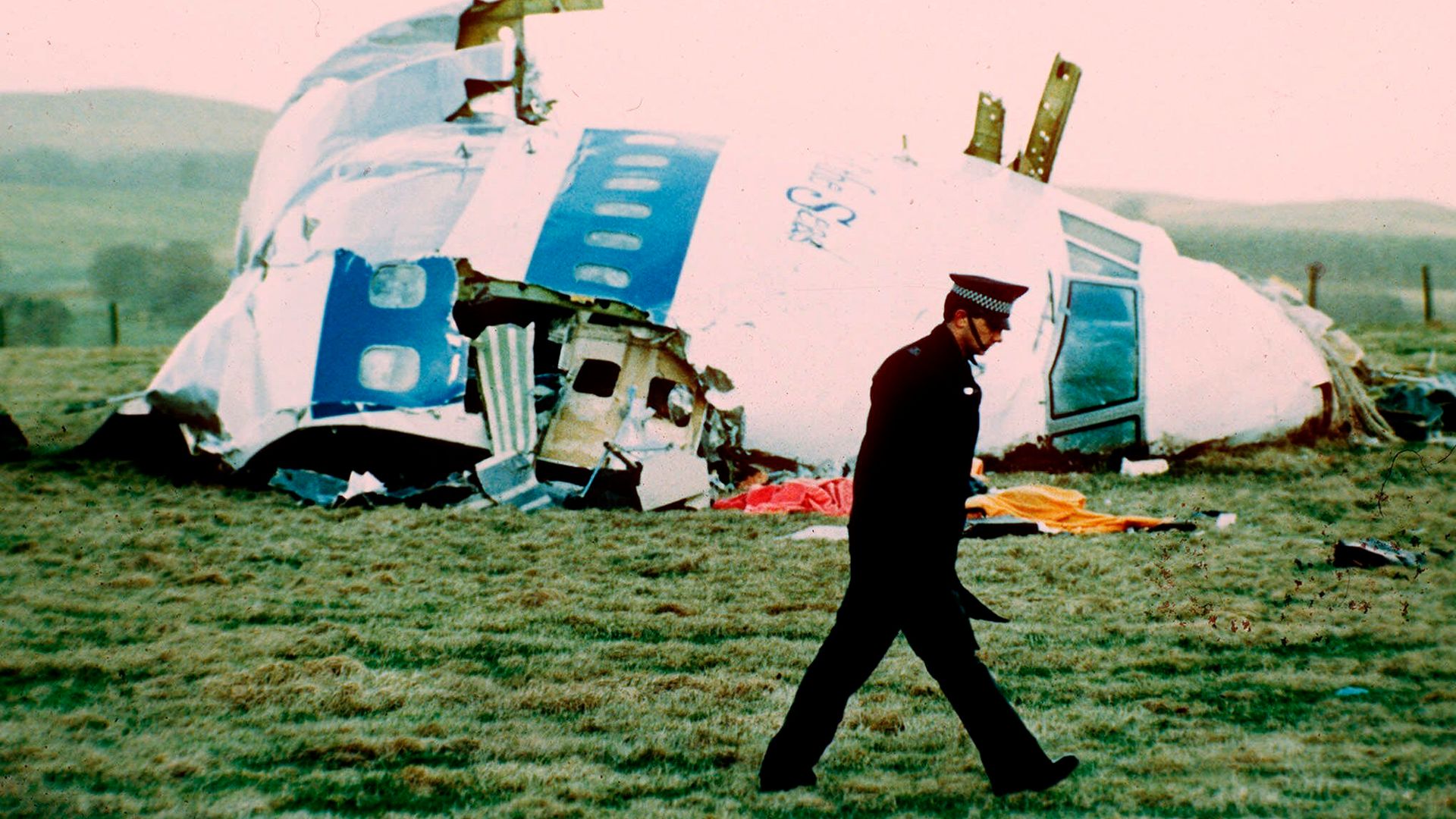
Bringing this case to a U.S. courtroom has never been straightforward. The Pan Am Flight 103 bombing remains one of the most lethal acts of air terrorism in history. A Boeing 747 blew up 31,000 feet above Lockerbie on December 21, 1988, scattering wreckage across an entire town block and killing all 259 people on board alongside 11 victims on the ground.
Only one person, Abdelbasset al-Megrahi, was previously convicted by a Scottish tribunal in the Netherlands back in 2000, while another was acquitted. Mas'ud's prosecution marks the very first time a suspect faces a U.S. court for the attack. Captured in Libya and transferred to American custody in late 2022, Mas'ud is now in his mid-70s and has pleaded not guilty to charges of destroying an aircraft resulting in death.
The prosecution heavily relies on a 2012 confession Mas'ud allegedly gave to a Libyan police officer while imprisoned under post-Gaddafi authorities. Defense teams have fiercely challenged the validity and circumstances of those statements, adding layers of constitutional debate that regularly push trial dates back.
Keep an eye on the upcoming court proceedings in Washington to see how much time the defense requires to digest this sudden evidence drop. The pursuit of historical justice rarely moves in a straight line.