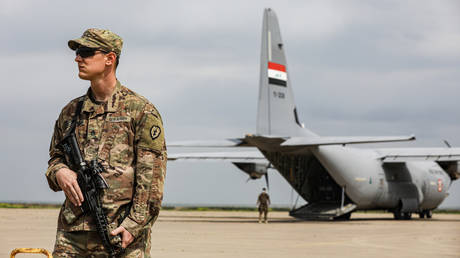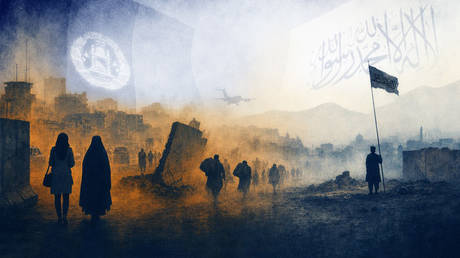
Five years have passed since the chaotic final flights left Hamid Karzai International Airport. That messy departure marked the official end of America's longest war. Millions watched Kabul fall on television screens in August 2021. They wondered what would happen next. They expected immediate chaos. They feared total economic collapse.
Reality turned out differently. The Taliban didn't vanish. They didn't implode overnight. Instead, they settled into the grueling, unglamorous work of running a state. If you want to understand how an insurgency transforms into a government, you have to look past the breaking news headlines. You have to look at the ground.
Today, Taliban rule is institutionalized. It is rigid. It is heavily bureaucratic. It is also remarkably persistent.
The Myth of Imminent Collapse
Western analysts predicted quick doom for the new regime. They pointed to empty central bank vaults. They noted the sudden halt of billions in foreign aid. They assumed domestic uprisings would tear the movement apart from the inside.
None of that happened.
The Taliban survived by swapping Kalashnikovs for tax ledgers. They secured revenue from custom gates at international borders. They taxed local businesses. They kept trade moving with Pakistan, Iran, and Central Asian neighbors. Smuggling lanes became formal trade routes.
Corruption didn't disappear. It changed hands. Bribes still smooth the way at checkpoints, but the ultimate authority now answers to Kandahar rather than Washington. Provincial governors enforce strict edicts daily. They run local courts. They collect tolls.
You won't find many functioning democracies here. You will find an administrative machine that grinds forward. It functions on strict ideological obedience and sheer survival instinct.
Economic Survival Over Ideological Purity
Ideology matters to the leadership. Make no mistake about that. Supreme Leader Hibatullah Akhundzada issues sweeping decrees from his stronghold in Kandahar. Yet, pragmatic officials in Kabul face a harsh reality. A starving population cannot pay taxes.
Foreign currency reserves remain frozen abroad. International sanctions bite hard. Despite this, local markets display surprising amounts of goods. Food is available. Prices are high, but items are on the shelves. Chinese mining companies quietly negotiate extraction rights for lithium and copper. Regional trade delegations visit Kabul regularly.
The leadership learned a hard lesson from their first stint in power during the 1990s. Total international isolation nearly starved them out. This time, they want diplomatic recognition. They want foreign investment. They send envoys to Beijing, Doha, and Moscow. They want the world to accept their victory as a permanent, unchangeable fact.
The Deepest Human Cost
Victory for the Taliban means total subjugation for half the population. That is the darkest part of this reality.
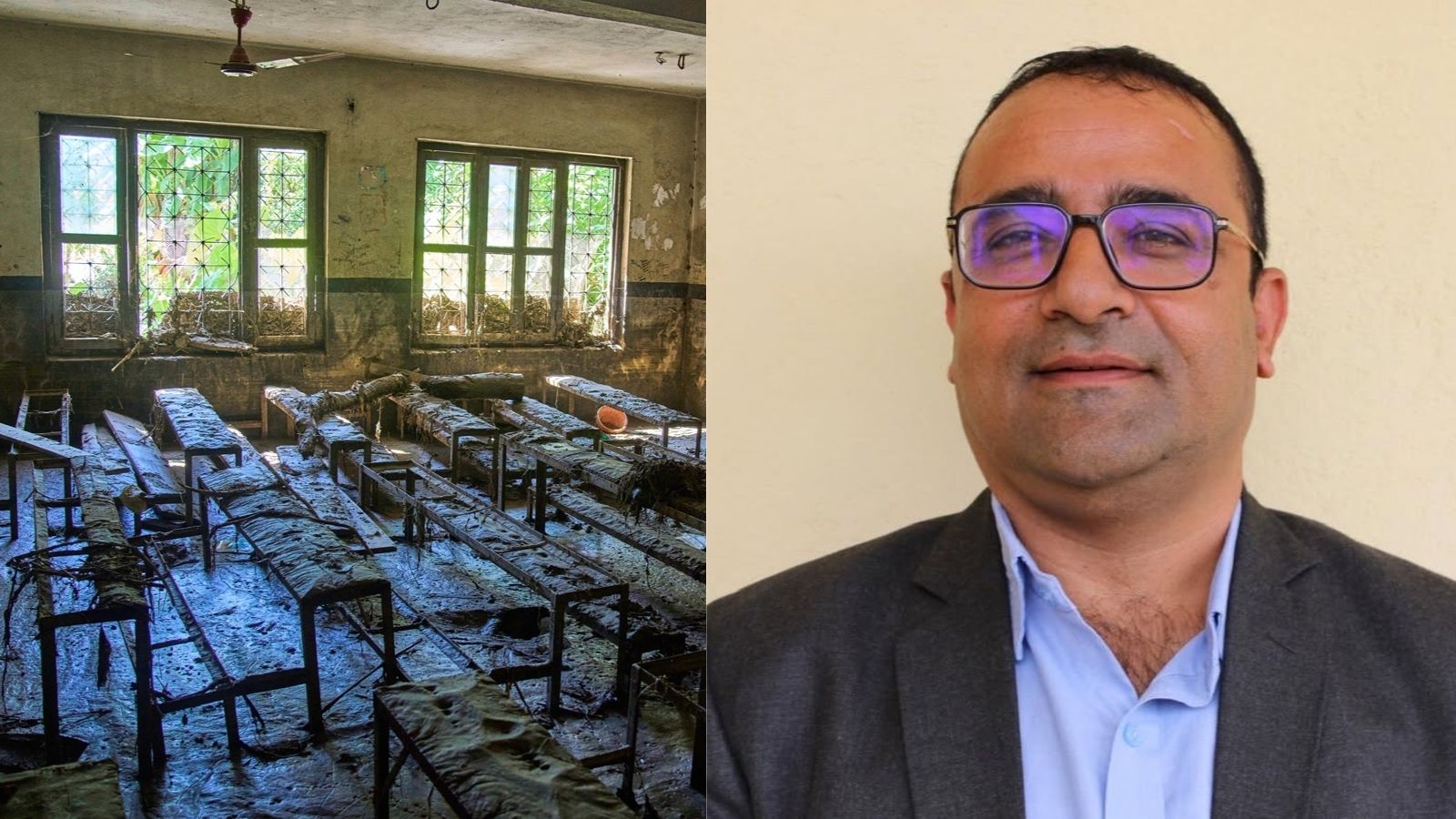
Girls are banned from secondary schools. Universities closed their doors to female students. Women cannot work in most non-governmental organizations or government offices. Beauty salons were shuttered across the country. Parks and gyms are strictly off-limits.
This isn't loose policy. It is a systematic erasure of women from public life.
International condemnation is absolute. Human rights organizations document the steady erosion of civil liberties daily. The regime ignores the outrage. They view these restrictions as a matter of internal religious sovereignty. They claim they are implementing pure Islamic law.
Protests still happen, though rarely. Brave women take to the streets of Kabul and Herat. They chant slogans. They demand bread, work, and education. Security forces break up these demonstrations quickly. Arrests follow. Beatings follow. The state maintains order through absolute fear.
Life on the Ground for Ordinary Citizens
Ask an average shopkeeper in Kabul about the political situation. You will get a complicated answer.
Crime rates dropped significantly. Petty theft is punished severely under the new penal code. Public executions and lashings returned to sports stadiums. It is brutal. It is medieval. Yet, many weary citizens admit they can finally walk down a street at night without fearing crossfire or suicide bombings.
The twenty-year war killed tens of thousands of civilians. Insurgents fought American drones, NATO air strikes, and Afghan national army patrols. That war is over. The silence of the guns brings a twisted kind of relief.
That relief comes with a crushing price tag. Young people see no future. Brain drain is catastrophic. Doctors, engineers, programmers, and journalists fled by the hundreds of thousands. Those left behind stare at closed borders and shrinking opportunities.
What the Rest of the World Misses
Foreign capitals treat Afghanistan as a humanitarian crisis or a counterterrorism puzzle. They worry about the resurgence of regional extremist groups like ISIS-Khorasan. They track opium poppy cultivation. The Taliban banned poppy farming early on. Cultivation plummeted. They proved they could enforce a drug ban that baffled Western forces for two decades.
Western governments keep their embassies closed. They rely on remote diplomacy. They hand out aid through international agencies while trying to bypass the regime.
The Taliban watches this dance with quiet patience. They know time is on their side. Foreign powers grew tired of the conflict first. The Taliban simply waited them out.
Victory looks like gray stone ministries in Kabul. It looks like bearded fighters directing traffic. It looks like a generation of girls staring at closed classroom doors while the international community drafts strongly worded statements that change nothing.
The war ended five years ago. The consequences are locked in concrete.