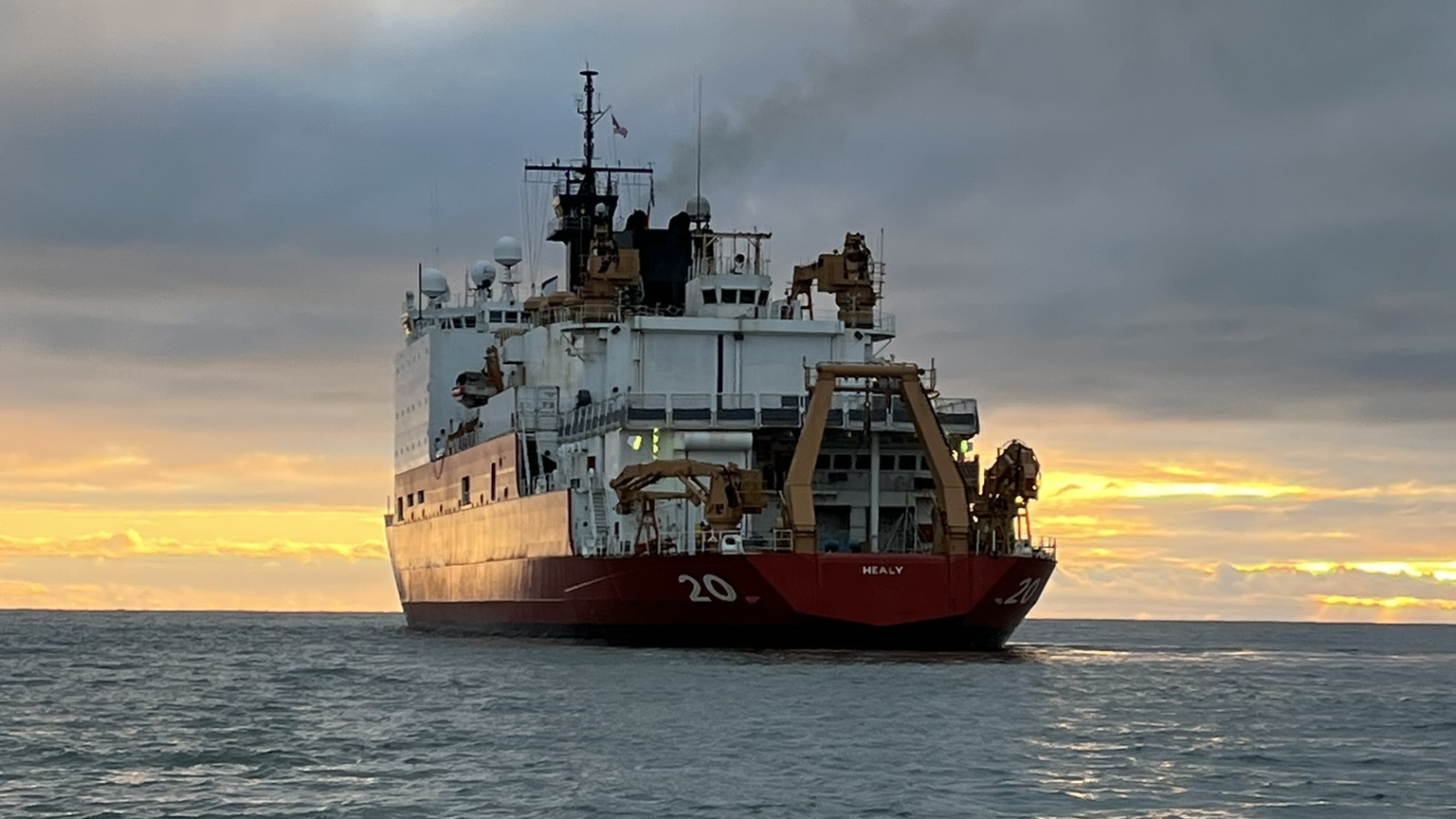
Ice looks solid until you stand on it while heavy steel hulls crush through meters of frozen seawater. Most people imagine the Arctic as a static expanse of white silence. They picture polar bears drifting on isolated floes and endless frozen horizons. That picture is decades out of date. Stepping onto a modern research icebreaker changes your perspective instantly. You hear the deafening groan of compressed ice sheets breaking apart under thousands of horsepower. You watch open black water appear where thick multi-year pack ice used to sit year-round.
The transformation happening at the top of the planet isn't a slow geological creep. It's a rapid, violent reshaping of the marine environment. Scientists working on these vessels are tracking shifts that happen faster than historical models predicted. When you talk to crew members who have navigated northern waters for thirty years, they don't talk in abstract statistics. They talk about maps that are wrong. They talk about routes that open months earlier than they used to and winds that push heavy ice into unpredictable clusters.
Why Traditional Arctic Navigation is Broken
Navigation in polar regions used to follow predictable seasonal rhythms. Winters brought complete freeze-ups, locking ships in place. Summers offered brief windows of navigable coastal waters. Those rules no longer apply.
First-year ice now dominates vast stretches where ancient, multi-year ice used to anchor the ecosystem. First-year ice behaves differently under pressure. It's thinner, saltier, and moves much faster under wind action. When a gale hits an icefield made of younger ice, it fractures into a chaotic jumble of jagged blocks known as brash and shuga. This slushy mess clogs cooling intakes on ships just as effectively as solid sheets.
Marine architects are scrambling to redesign hulls to handle this new consistency. Traditional rounded bows designed to ride up and crush thick ice pads often fail in fragmented slush fields. Ships get sucked down or pinned sideways. Crew members spend hours waiting for tidal shifts or maneuvering back and forth to clear blocked propellers.
Weather patterns have also lost their predictability. Low-pressure systems sweep in from the Atlantic with little warning, driving warm air masses deep into regions that should remain sub-zero. You experience heavy rain at latitudes where snow was once the only form of precipitation. Rain accelerates surface melting, creating melt ponds that drain through the ice pack and weaken structural integrity from the top down.
The Real Drivers Behind the Sea Change
The physical melting of sea ice triggers a massive feedback loop. Dark ocean water absorbs sunlight instead of reflecting it back into space like white ice sheets. This is the albedo effect in action, and it accelerates warming locally at rates far higher than the global average.
Oceanographers aboard research vessels measure this shift directly through salinity and temperature profiles. Freshwater from melting land glaciers pours into the top layer of the ocean, creating a stratified column that alters deep-sea circulation patterns. This disruption affects nutrient distribution across the entire marine food web.
Phytoplankton blooms are happening earlier in the spring, throwing off the timing for zooplankton, fish, and seabirds that rely on exact seasonal triggers to breed and feed. When the foundation of the food chain shifts out of sync, every predator up to seals, whales, and bears feels the squeeze.
Commercial shipping traffic adds another layer of disruption. As summer sea ice recedes, corporate fleets eye northern passages as shortcut routes between Asian and European ports. Increased vessel traffic brings underwater noise pollution, higher risks of fuel spills, and disturbance to marine mammal migration corridors. The rush to exploit newly accessible shipping lanes threatens fragile ecosystems before scientists even finish mapping them.
What Science is Missing on the Ground
Data from satellites gives us broad coverage, but it misses the micro-scale reality. Satellites can measure ice extent from space, but they struggle to tell you about ice thickness, internal stress, or the presence of thin layers of rotten ice covered by a dusting of fresh snow.
That's why icebreakers remain essential. Researchers drop sensors through holes drilled in moving floes, deploy autonomous drones to map ridging patterns, and trawl deep water columns to sample displaced species. They track how chemical pollutants accumulate in polar currents, traveling thousands of miles from industrial centers to accumulate in the fatty tissues of local marine life.
Working in these conditions requires constant adaptation. Equipment freezes instantly. Batteries fail. Sensors designed for temperate marine environments crack under the mechanical stress of shifting ice pressure. The scientists and crew operating these floating laboratories deal with grueling physical conditions to capture data that shapes our understanding of global climate stabilization.
Looking at the Reality on the Water
If you want to understand where global climate systems are heading, don't look at computer simulations in air-conditioned offices. Look at the data coming off the bow of a working icebreaker. The observations gathered from these high-latitude missions show a system undergoing structural stress.
The changes in the Arctic aren't isolated events confined to the polar circle. They alter jet stream behaviors, influence southern weather extremes, and drive sea level rise across the globe. Ignoring what happens in northern waters is a luxury we lost decades ago. The next time you see headlines about record lows in sea ice extent, remember that behind those numbers are broken shipping routes, disrupted ecosystems, and crews working round the clock to document a changing world before it disappears completely.