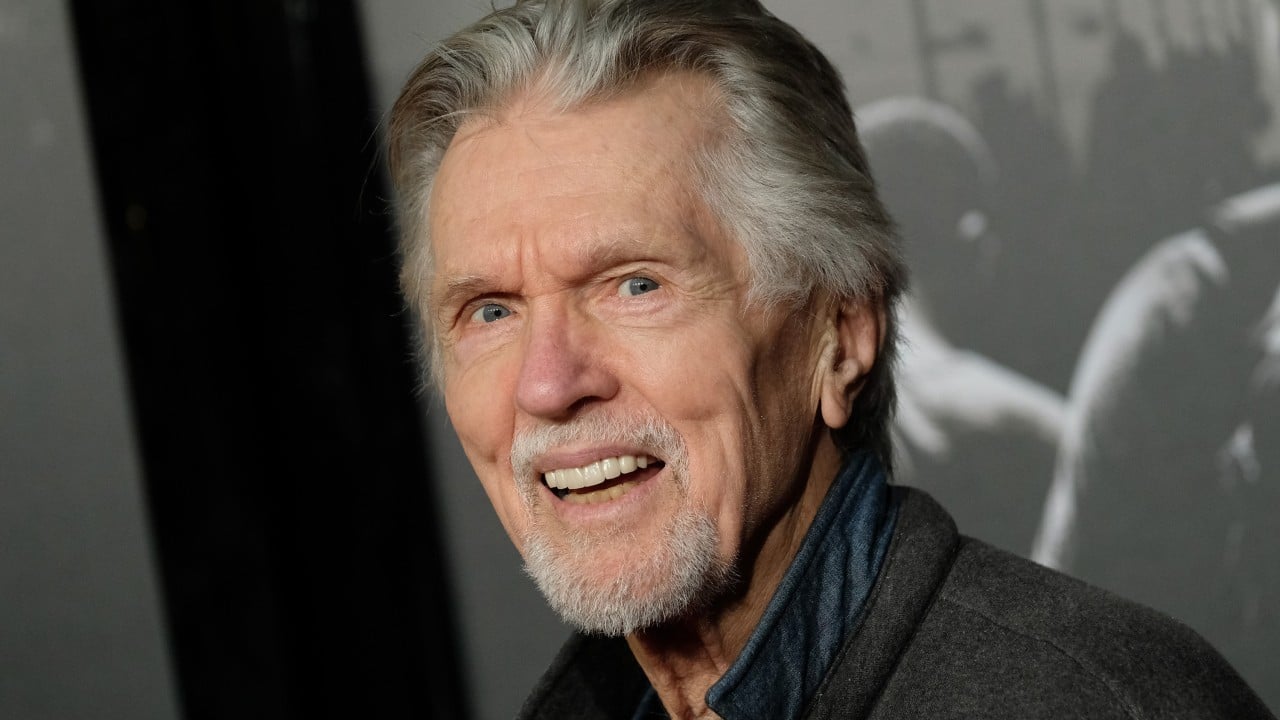
Liev Schreiber didn't hold back when an Apple TV interviewer tried to squeeze his new crime drama into a neat little social media clip.
At the October 20, 2026 New York premiere of Nocturne, the veteran actor pushed back hard against an in-house Apple TV reporter. Cameras caught him calling out the soundbite approach on the spot, telling her to treat people like humans rather than chasing quick online fodder. A week later, he even addressed the viral clip on late night—specifically joking with Seth Meyers—admitting he had a moment and went off with profanity before turning things around into a real conversation about the show.
Honestly, anyone who has ever stood along a press line or watched celebrity press tours unfold recognizes what happened here. Red carpets are practically built to reward speed over substance. Publicists rush talent down the line, social teams hunt for vertical video hooks, and complex television gets boiled down to parlor tricks.
What Actually Went Down On The Nocturne Carpet
The flashpoint came while Schreiber was promoting Nocturne, an Apple TV+ thriller starring alongside Zazie Beetz, Stephen Graham, Bill Camp, Rory Culkin, Chrissy Metz, and Gary Carr. The series follows Jonah Lynn, a former soldier turned homicide detective who relocates to a small Pennsylvania town only to find himself tangled up with an imprisoned serial killer.
Instead of digging into character or story, the prompt leaned into quick social-media packaging—reportedly asking for a rapid-fire summary or three-word pitch. Schreiber wasn't having it. In the footage, he pushed back sharply on the format, arguing that interviews shouldn't be reduced to disposable clips made for social feeds.
What often gets lost in thirty-second outrage clips is how the exchange ended. Once the reporter shifted gears and brought up something that actually interested her—loving the genre—Schreiber cooled down, told her that was a real question, and signaled the camera operator to keep rolling. By the time he talked about it later with Seth Meyers, he owned the blowup with a "mea culpa," joking about his mother calling him to ask what he'd done this time while standing by his broader point about genuine conversation.
Soundbites Versus Real Craft In Modern Press
This wasn't just one grumpy actor having a bad night. It's a collision between two totally different jobs happening in the same thirty-second window.
On one side, you have actors like Schreiber who spend months working through scripts, dialect, tone, and heavy dramatic material. On the other side, streaming platforms and entertainment outlets need vertical clips for TikTok, Reels, and X that stop a thumb mid-scroll. When a reporter asks someone to sum up a dark, multi-episode crime thriller in three words, the question isn't really a question. It's a prompt designed to manufacture a clip.
At the same time, it's worth being fair to the reporter on the line. Red-carpet journalists rarely control the clock or the shot list. PR handlers whisper warnings to keep things moving, and producers often hand down mandatory social prompts before talent even steps onto the carpet. Even when an interviewer wants a deeper chat, the format itself works against them.
- Time pressure shrinks nuance: A sixty-second slot leaves almost zero room for thoughtful answers about pacing, character motivation, or creative risks.
- Algorithmic incentives reward friction: Heated exchanges and snappy one-liners travel farther online than calm, measured reflections on acting.
- In-house promos walk a fine line: When an interview comes from the network or streamer airing the show, talent sometimes feels extra friction between promoting the release and resisting corporate fluff.
Why The Clip Struck Such A Nerve Online
Once bystander and press clips hit social media, people split fast. Some viewers cheered Schreiber for calling out hollow promo culture and demanding real human dialogue. Others felt he came on too strong toward a reporter just doing her job under tight constraints.
That tension is the real reason the story lingered past the premiere night itself. Audiences are tired of watching actors act like trained seals on carpets, yet plenty of people also know how brutal entry-level and red-carpet media work can be. Schreiber's later apology didn't erase the sharp edges of his tirade, and it didn't need to—it showed a guy who regretted losing his temper while still believing conversations should feel real.
How To Watch And Read Between The Lines
If you're following Nocturne or watching red-carpet clips from press tours, don't judge an entire show or interview off a ten-second snippet. Look at the full context before picking a side.
- Watch past the initial clash: Check how the conversation actually wraps up—moments like Schreiber asking the camera to stay on once the topic turned real tell you way more than the opening spark.
- Separate the format from the person: A clunky or overly "social" prompt often comes from a producer's checklist rather than a reporter's lack of curiosity.
- Look for longer-form interviews: If you care about how an actor approaches a role like Jonah Lynn, skip the carpet line and look for sit-down cast chats or late-night appearances where there's breathing room.
- Judge Nocturne on the episodes: Apple TV+ rolled Nocturne out starting October 30, 2026, with two initial episodes followed by weekly drops through December 25—the actual episodes will settle how the thriller holds up far better than any carpet clip.