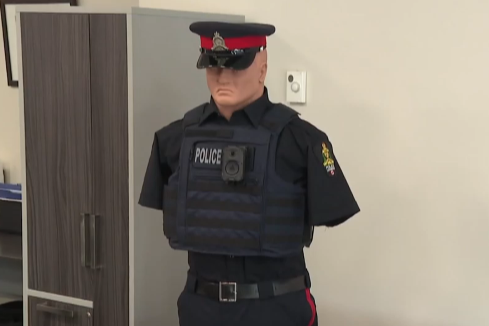
Lethbridge police officers are strapping cameras to their chests. Starting June 15, 2026, the Lethbridge Police Service (LPS) officially kicks off its phased rollout of body-worn cameras.
If you think this is just another minor tech upgrade, you are missing the bigger picture. This is not a choice made by local leadership to look modern. It is part of a sweeping provincial mandate that changes how you interact with law enforcement in Alberta.
Here is what is actually happening on the ground, why it costs so much, and how it impacts your privacy.
The Reality of the Rollout
The deployment is not happening overnight. It starts small. Only nine officers will wear the devices during the initial four-week trial phase. That includes eight patrol officers and one traffic officer.
They are testing the water. They need to figure out the technical hiccups, the battery life in real-world conditions, and how the data transfers at the end of a shift.
Once that trial wraps up, the deployment accelerates. Between June and November, more units get equipped. By the end of 2026, every single uniformed officer, including Community Peace Officers, will wear one. Even plainclothes officers will have access to them when they head out into the field.
The department bought 165 cameras from Axon Public Safety Canada. If you know anything about law enforcement tech, you know Axon dominates this space. They do not just sell the hardware; they lock agencies into their digital evidence ecosystem.
The Half-Million Dollar Price Tag
Transparency is expensive. Let's look at the actual numbers because they are staggering for a city the size of Lethbridge.
The annual operating cost for this program is pegged at up to $950,000.
Last year, Lethbridge City Council had to pull money from the Municipal Revenue Stabilization Reserve just to get things moving, allocating up to $555,000 for 2025 and $914,000 for 2026. The province helps out a bit with grants—like an anticipated check for around $205,000—but local taxpayers carry the heavy bulk of this weight moving forward.
Why does a camera cost so much? The cameras themselves are only a fraction of the bill. The real expense is storage and processing.
LPS had to build an entirely new department to handle the footage: the Media Disclosure Unit. This team consists of four civilian employees, including a coordinator and three technicians.
Their entire job is to sit in front of screens, watch hours of police interactions, and blur out faces, license plates, and private homes before the video ever sees a courtroom or a freedom of information request.
When Are They Actually Recording?
You might assume these cameras record everything from the moment an officer starts their shift to the moment they clock out. They don't. That would create a data storage nightmare and violate labor laws.
Instead, the cameras sit in a buffering mode. They are constantly capturing video, but they do not save it until the officer hits the button. Once activated, a red light turns on.
LPS policy dictates that officers must turn on the cameras during specific interactions, including:
- Calls for service
- Traffic stops
- Arrests and investigative detentions
- Prisoner handling
- Mental health apprehensions
- Any situation that looks like it might turn adversarial
When safe, officers will tell you that you're being recorded. But don't expect a warning every time. The policy states clear notification is not legally required, especially if things are turning violent fast.
Where the Cameras Turn Off
Privacy advocates always worry about where these cameras go. LPS built strict boundaries into their policy. Officers cannot record in places where people have a high expectation of privacy, like during intimate body searches, unless it is an absolute emergency.
You also won't see them running inside the LPS short-term holding facility or at the station's front desk. Why? Because those areas already have permanent, fixed CCTV systems running 24/7. There is no need to double up on the data storage.
What Most People Get Wrong About Police Video
The common belief is that body cameras protect citizens from bad cops. They do. But the data from early adopters across North America shows that cameras actually protect good cops from false complaints even more often.
When people know they are on camera, behavior changes on both sides of the badge. It de-escalates tension.
More importantly, it speeds up the legal process. In British Columbia, where the RCMP ran massive camera rollouts through 2025 and early 2026, oversight bodies noticed that investigations into police conduct wrapped up much faster. Instead of months of "he-said, she-said" arguments, investigators just watch the tape.
If you need to request footage from an interaction you had with the police, don't expect a quick email attachment. All requests go through the standard Freedom of Information and Protection of Privacy (FOIP) process. The Media Disclosure Unit will scrub the video to protect bystanders before you ever get a copy.
If you live in Lethbridge, keep an eye out for that little red light on the street. It changes the dynamic of local policing completely, and you are paying for it on your property tax bill. Keep tabs on the LPS website as the program expands to full capacity this autumn.


