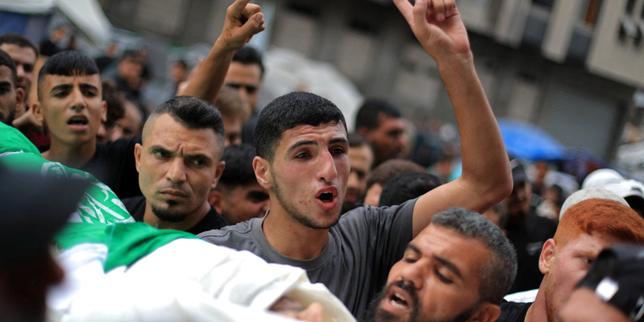
Seven people are dead in Gaza following fresh Israeli military strikes. Among the casualties is a local Hamas official, according to statements released by the civil defense agency. This development adds another grim entry to an ongoing conflict that continues to reshape the geopolitical and humanitarian reality on the ground.
If you're trying to make sense of these constant updates, you aren't alone. The news cycle moves fast. Details shift by the hour. But looking past the immediate flashpoints reveals a deeper pattern of escalation that shows no signs of slowing down.
The Reality on the Ground
Civil defense teams in Gaza confirmed the casualties after strikes hit residential areas. Targeted killings and high-density air raids have become the default operational mode for military forces in the territory. When a Hamas official is named among the dead, it signals targeted intelligence operations intersecting with broader urban warfare.
Civilians bear the brunt. That is the constant, unchanging truth of the matter. Infrastructure crumbles. Emergency responders struggle to pull bodies from the rubble with limited fuel, broken equipment, and blocked access routes.
Why These Strikes Keep Happening
Military strategies rarely change mid-stream without political shifts. The ongoing campaign relies on sustained pressure to dismantle command structures. Every time a mid-level manager or administrative official gets hit, the operational capacity of militant groups takes a temporary hit.
Yet, the strategic payoff remains debatable. History shows that leadership voids often get filled quickly. The underlying grievances and the sheer devastation of the environment create an endless cycle of recruitment and retaliation. You cannot bomb an ideology out of existence, no matter how precise the ordinance claims to be.
The Humanitarian Toll
Numbers tell part of the story, but they lack human weight. Hospitals operate past capacity. Clean water is scarce. Medical supplies run critically low. International aid organizations issue warnings daily, yet the logistical bottlenecks at border crossings prevent meaningful relief from reaching the people who need it most.
- Emergency services rely on makeshift tools.
- Displacement camps expand into unsafe zones.
- Food insecurity reaches acute levels across entire neighborhoods.
What to Watch Next
Pay attention to how regional mediators react. Diplomacy happens behind closed doors while airstrikes happen in the open. When targeted strikes eliminate key figures, the immediate aftermath usually involves retaliatory rocket fire or hardened stances at negotiating tables.
Keep your focus sharp. Look past the political posturing from all sides and watch the humanitarian corridors. That is where the actual pulse of the crisis beats.


