Silence.
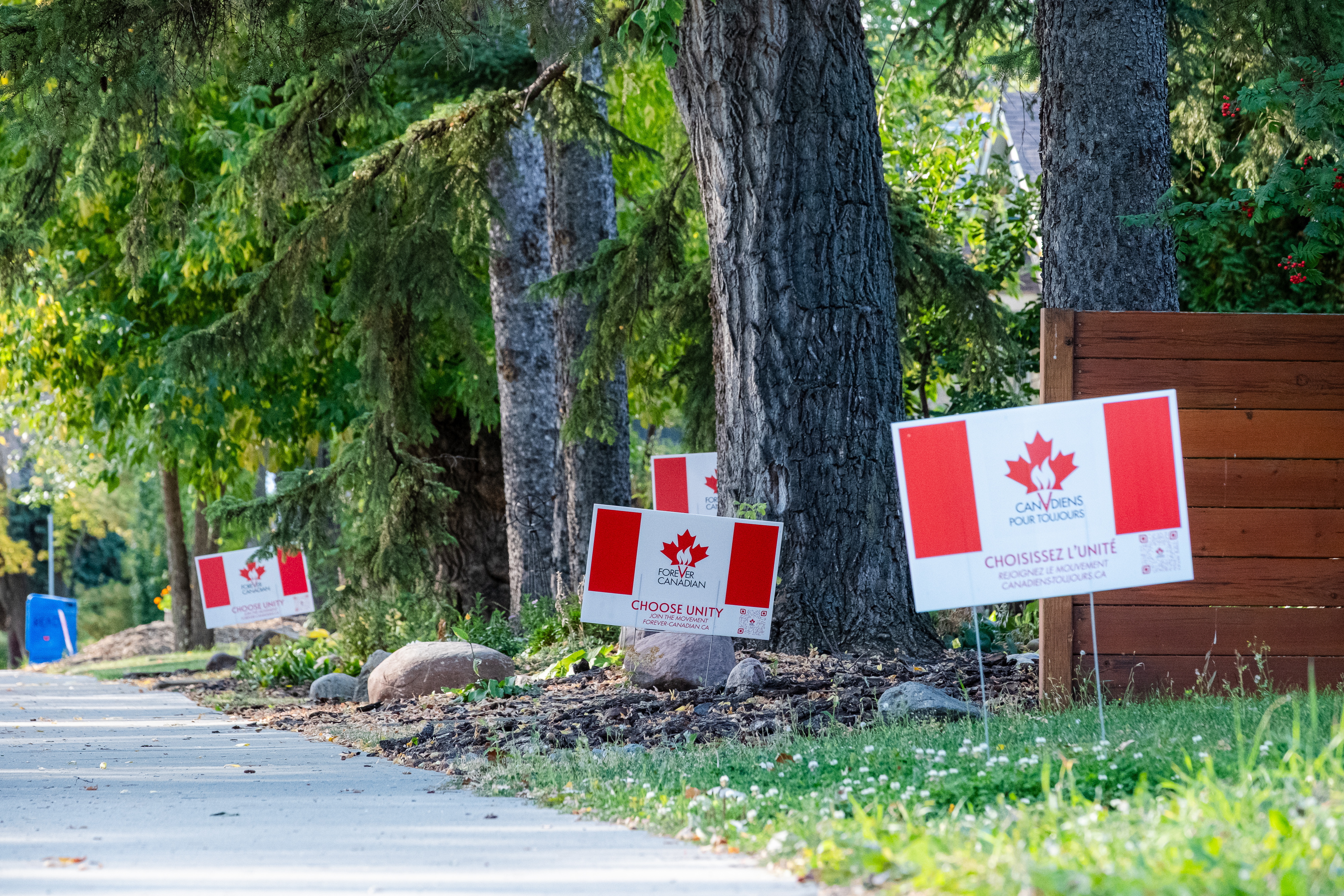
That is the first sound a campaign organizer hears when a promised surrogate cannot walk the block during the closing stretch of a Toronto election. The clipboards sit stacked on the folding table, rain beads on the vinyl lawn signs leaning against a brick porch, and the clock ticks louder than any press release. When Marit Stiles cannot go out to canvass for Olivia Chow as a Toronto election enters its final week, a dry wire headline treats the moment like a scheduling footnote. Yet anyone who has ever stood on cold concrete holding a bundle of flyers knows that the final seven days of a municipal race are not won by press conferences alone. They are won doorstep by doorstep, in the brief, unscripted exchanges where a tired commuter decides whether voting actually changes the bus that stops outside their window.
I have spent years watching civic campaigns up close—not in glossy war rooms, but on damp sidewalks in Scarborough, Danforth, and Parkdale, where boots wear thin before election day arrives. My own calves still remember the ache of climbing three flights of wooden porch steps at dusk, knuckles raw from tapping storm doors while dogs barked inside and televisions hummed through sheer curtains. You learn quickly that politics is rarely a grand speech on a stage. Mostly, it is a conversation between two strangers separated by a screen door, trying to figure out whether the person on the other side cares about rent, transit reliability, or whether the park down the street has working lights.
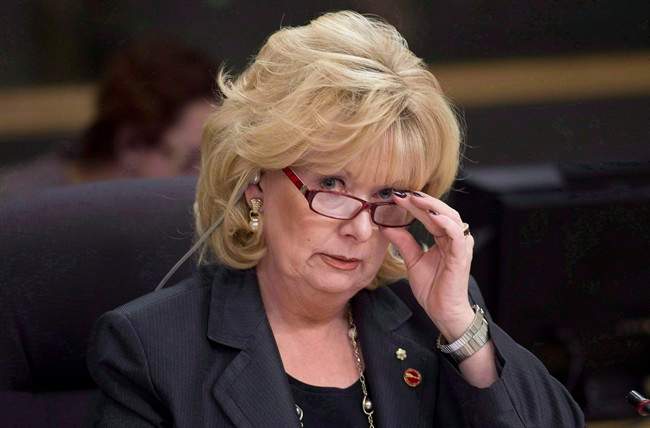
Let us be candid about what we actually know from a short headline and why uncertainty hangs over a moment like this. A brief report stating that Stiles is unavailable to canvass for Chow as a Toronto election enters its final week tells us the outcome—an absence on the ground—without revealing the reason behind it. Illness, legislative obligations, family commitments, or shifting campaign priorities can all pull an ally away from the streets at the worst possible moment. Admitting what is unknown is part of telling an honest story. Speculation sells clicks in the short term, yet readers who care about civic life deserve clarity between verified facts, logical deduction, and imagination.
To see why an absent ally matters right now, picture a hypothetical voter—let us call her Nadia, a home-care worker living near Eglinton—coming off a double shift as autumn wind rattles dry leaves across the sidewalk. (Note: Nadia is a composite, hypothetical character created to illustrate everyday voter realities during a late-stage municipal campaign.) Nadia has heard names on the radio. She sees slogans on utility poles. What she rarely sees is a familiar public figure standing on her stoop asking what keeps her up at night. When Marit Stiles and Olivia Chow share a platform or walk a neighborhood together, they signal alignment across progressive politics and shared priorities—affordability, public transit, housing, and accountable city hall leadership. Without Stiles knocking doors alongside Chow's team during that crucial final week, a tangible thread of momentum has to be carried by volunteers who do not have a household name or a provincial profile to open hesitant doors.
Consider what happens next on a residential street when a high-profile surrogate drops off the schedule.
Campaign math in municipal elections is deceptively simple and deeply human. Turnout in local races often hinges on small margins—a few hundred votes in a ward, a few thousand across the city—decided by people who have been meaning to vote, intending to check their polling station, or wondering whether their ballot makes any difference at all. Door-to-door canvassing works like a gentle ripple on still water. One knock rarely flips a hardened critic overnight, yet it reaches the undecided neighbor who felt forgotten by city hall. When an expected ally cannot make the route, field organizers face an immediate puzzle: redistribute those turf maps, rally extra volunteers on short notice, and keep morale high when rain or fatigue sets in.
Look at the open expanse around Toronto City Hall and Nathan Phillips Square, where decisions about zoning, property taxes, shelters, and transit take shape under towering glass and concrete. Architecture can make city government feel distant, almost monumental, as if policy happens somewhere high above street level. Canvassing is the antidote to that distance. It brings city hall down to porch height. When a leader or prominent supporter walks a neighborhood, they are saying, in effect, that your block is worth the walk.
Some observers treat surrogate appearances as mere theater, a photo opportunity meant for evening news clips rather than real persuasion. That view misses how trust is built in local politics. A well-known figure like Stiles brings credibility to an argument about how different levels of government interact—how provincial decisions, funding formulas, and municipal leadership collide on real streets. If she is unavailable during the final week of a Toronto election, Chow's operation loses a distinct voice in those final-stretch conversations right when voters are paying closest attention.
Why does the final week carry so much weight anyway?
Think of it like the last mile of a marathon when every muscle is tight and the finish line still feels just out of reach. Early months of a campaign set themes and raise money; the final days turn intention into action. People who promised themselves they would research candidates back in September suddenly realize the ballot is days away. A knock on the door on a Tuesday evening can be the nudge that turns vague goodwill into an actual trip to the polls. Lose a key canvasser in that window, and you feel the missing step immediately.
Yet campaigns survive missing pieces every cycle because the real engine of any street canvass is not a single star—it is the ordinary person holding a walk list and a pen. A tired university student, a retired teacher who knows every shortcut between cul-de-sacs, a local union member who cares deeply about public services—those are the people who keep knocking when the schedule changes at the last minute. When one prominent ally cannot walk the route, the remaining team has to double down on warmth, listening, and persistence.
There is a quiet vulnerability in admitting that even well-organized movements run into sudden gaps. Politics is messy, unpredictable, and bound by human limits. Leaders get sick, schedules collide, and plans unravel hours before a shift begins. A voter watching from the window does not need perfection to stay engaged; often, they just want honesty, respect for their time, and a clear sense of what is at stake for their family.
History in big cities shows again and again that elections rarely turn on a single dramatic twist. More often, they turn on dozens of small moments stacked one after another: a neighbor reminding another neighbor to vote, a hurried chat beside a parked car, a flyer left safely out of the rain, a promise to show up when the stakes feel personal. Whether Marit Stiles's absence in the final week of a Toronto election proves to be a minor detour or a noticeable drag on ground momentum, the underlying test remains the same for Olivia Chow and every candidate in the race.
In the end, a city is not an abstract map of wards and polling divisions. It is a collection of front doors, late shifts, and quiet hopes waiting for someone to listen.
And long after the lawn signs are pulled from the grass and the final tallies are read, the memory of who showed up—and who had to carry the weight when someone else could not—lingers in the quiet streets of the city.