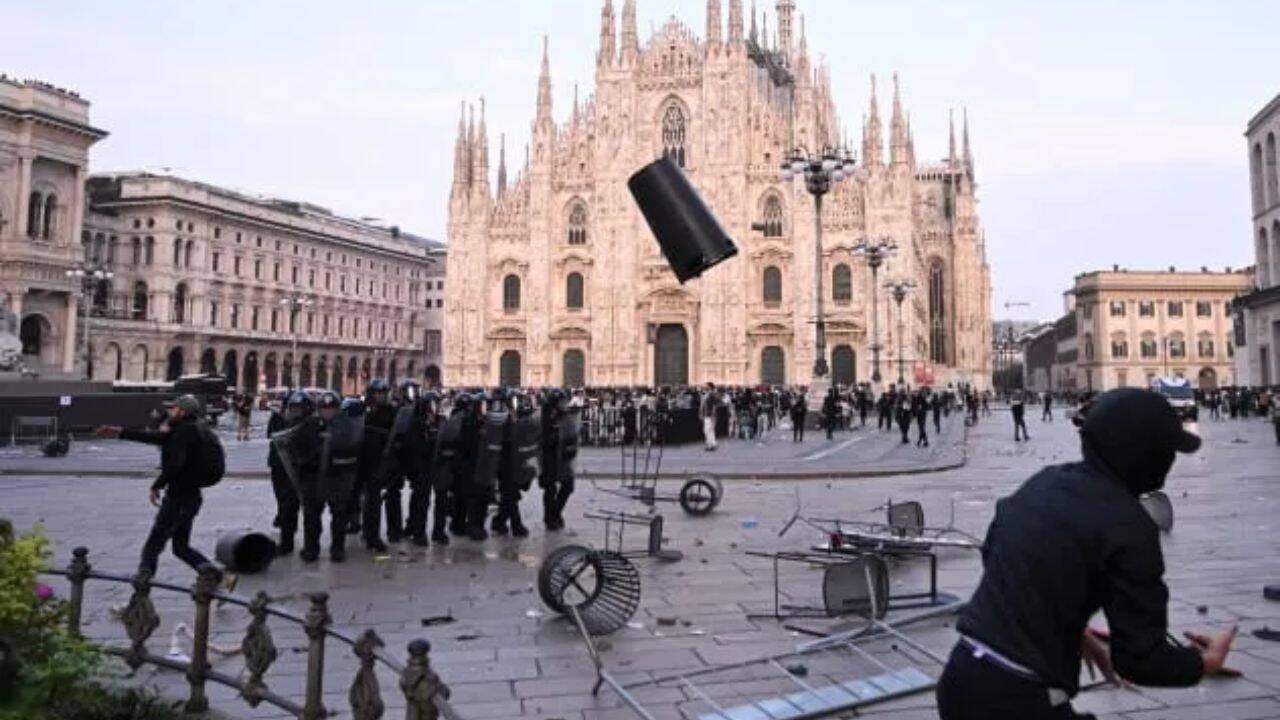
Elections aren't won solely inside quiet voting booths. Sometimes, they take shape on asphalt, under the roar of megaphones and the flutter of homemade signs. When crowds gathered in Atlanta and across cities nationwide under the banner of the "No Kings" movement, casual observers often dismissed them as routine venting. That misses the entire point. These autumn demonstrations weren't just about shouting grievances at the executive branch; they served as a massive, organized logistical push to drive early voter turnout right before the midterm elections.
Let's look past the political theater. Why did hundreds of demonstrators take to the streets in downtown Atlanta? The core motivation wasn't abstract. Participants were reacting directly to concerns over executive overreach, immigration enforcement policies, and soaring everyday living costs tied to ongoing inflation. When you talk to everyday people standing in these crowds, you quickly realize they feel squeezed by forces outside their control. They see concentrated political authority threatening the constitutional checks and balances that are supposed to keep power distributed.
Critics often argue that street rallies accomplish nothing substantive. But political mobilization is a game of momentum. Grassroots organizers understood that translating anger into actual ballots requires visible solidarity. By marching under slogans rejecting absolute executive authority, participants found community and purpose. More importantly, those rallies directly pivoted toward practical action: checking voter registrations, handing out polling schedules, and pushing early voting before the November deadlines.
The timing was everything. Coming just weeks before millions headed to the polls, the gatherings acted as a megaphone for voter engagement. Local leaders, including Atlanta city officials, reminded attendees that the single most effective tool citizens possess is the ballot. That messaging resonated because economic anxieties—ranging from high gas prices to frustrating foreign policy expenditures—had already frayed public patience.
Of course, translating street-level energy into legislative power is messy. Once the votes are tallied and a new Congress takes shape, the hard work begins. Parties face internal fractures, shifting voter coalitions, and the heavy burden of governing. A protest crowd can stop traffic and capture headlines, but it can't write legislation or tame inflation on its own.
Even so, writing off public demonstrations as meaningless noise ignores how political movements build resilience. Movements keep accountability alive. Whether those crowds are watching poll monitors or demanding institutional limits, the energy sparked in places like Atlanta leaves a footprint. Democracy doesn't maintain itself on autopilot. It requires people to show up—first on the pavement, and then at the ballot box.
US LIVE | 'No Kings' Rally Draws Trump Critics as Thousands March Ahead of Midterm Elections
This video provides live footage and comprehensive coverage of the nationwide "No Kings" protests and grassroots mobilization efforts leading up to the midterms.