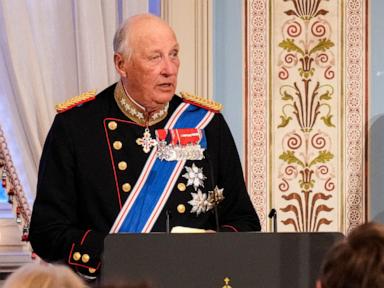
The Royal Court in Oslo just delivered the news everyone in Scandinavia has been dreading. At 89 years old, King Harald of Norway is fighting for his life after a sharp and sudden decline. The palace confirmed that his condition is now extremely serious, stripping away any lingering optimism left over from earlier medical updates.
Queen Sonja and Crown Prince Haakon have abruptly canceled all scheduled royal engagements, rushing straight to the Rikshospitalet. When a royal family clears its calendar entirely, you know things have crossed a critical threshold.
The Downward Spiral at Rikshospitalet
How did Europe's oldest reigning monarch end up in this perilous state? It started back on August 17 when the palace admitted him to Oslo University Hospital. The initial culprit was hemolytic anemia, a complicated blood disorder where red blood cells break down faster than bone marrow can manufacture them.
To combat this aggressive immune response, doctors put Harald on a course of cortisone. While steroids are standard medicine for blood disorders, they carry brutal side effects for an 89-year-old body. The treatment triggered severe fluid retention, landing him in the hospital ward.
Things stabilized briefly. Medical staff treated a secondary bacterial infection in his blood with antibiotics, and for a hot minute over the weekend, officials claimed he was holding steady. That fragile stability vanished overnight. The palace's latest stark bulletin leaves no room for sugarcoating: the king's body is failing to bounce back.
A Long History of Defying the Odds
If you've followed Norway's royal house for any length of time, you know Harald is practically indestructible. He has stared down major health scares for years without flinching.
Back in 2024, a private holiday in Malaysia turned into a medical nightmare when he contracted an infection and needed a temporary pacemaker hastily implanted before flying home for a permanent one. He has beaten back skin infections, severe respiratory bugs, and bladder issues that would have sidelined a man half his age.
Through every single crisis, the public narrative remained identical. Harald refused to abdicate. He frequently reminded reporters and politicians of the constitutional oath he swore before the Storting back in 1991. To him, wearing the crown wasn't a job you quit when your joints ache or your blood count drops. It was a lifelong contract with the Norwegian people.
What Happens to the Throne Now
Crown Prince Haakon has already been pulling double duty as regent, stepping in smoothly whenever his father's hospital stints forced him onto sick leave. Constitutional machinery in Norway is built precisely for this kind of transition. Haakon isn't just a placeholder; he has spent years preparing to inherit a modern monarchy that prides itself on approachability and restraint.
Yet, losing Harald marks the end of an absolute titan in European royalty. He brought a self-deprecating warmth and ordinary touch to the palace that saved the institution during decades when other European monarchies stumbled through public scandals.
Family members including Crown Princess Mette-Marit remain camped at the hospital. Doctors aren't offering optimistic timelines, and the palace has stopped making promises about recovery windows. Norway is bracing itself for a reality it has long tried to postpone.