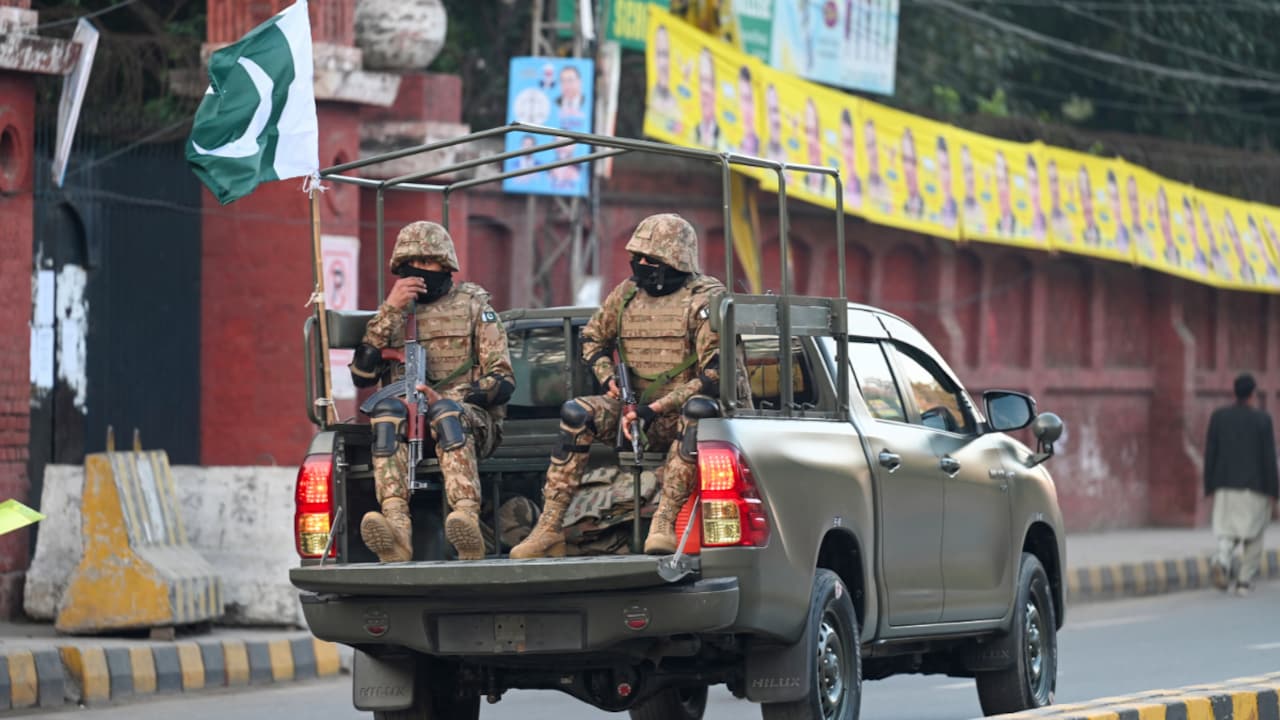
Tactical victory in asymmetric conflict is frequently mismeasured by raw body counts and localized weapon seizures. When state security forces neutralize 24 insurgent fighters across fractured operational theaters like Balochistan and Khyber Pakhtunkhwa, standard media reporting frames the event as a definitive degradation of militant capacity. This framework obscures the structural dynamics of contemporary proxy conflicts. The true operational yield of a counterinsurgency raid is not determined by immediate casualties, but by how effectively the state disrupts the supply chains, financing mechanics, and command structures of highly adaptable, decentralized networks.
Evaluating these security operations requires looking past the immediate kinetic outcomes. True strategic assessment demands a systematic breakdown of weapon supply lines, an analysis of the convergence between historically distinct insurgent groups, and an understanding of the geographical bottlenecks that dictate modern frontier warfare.
The Technological Supply Function of Modern Insurgency
A critical variable in assessing kinetic raids is the technical profile of seized hardware. Western-grade infantry weapons, tactical optics, and encrypted communication gear are increasingly common features in these arms caches. The presence of these specific technologies indicates a highly functional cross-border supply chain rather than localized black-market sourcing.
[Inflow: Regional Weapon Surpluses] ---> [Logistical Nodes: FATA/Border Zones] ---> [Operational Theaters: BLA/TTP Units]
This technological escalation alters the combat math for state infantry. Armed with standard-issue assault rifles fitted with advanced thermal imaging scopes, small insurgent units can effectively deny territory during night operations, neutralizing the traditional visibility advantages held by state forces. The logistical mechanism driving this influx relies on two clear pipelines:
- The Post-2021 Regional Surplus: The abrupt exit of coalition forces from Afghanistan left behind a vast ecosystem of military-grade gear. This inventory flows freely through illicit border channels, establishing a steady baseline supply for non-state actors.
- The Proliferation of Commercial Off-the-Shelf (COTS) Tech: The weaponization of consumer drones for real-time reconnaissance and the use of off-the-shelf encrypted messaging applications have significantly lowered the cost of command, control, and intelligence gathering for these networks.
This shift means tactical success cannot be achieved through attrition alone. State forces must focus heavily on blocking these technological flows at their logistical source.
The Tactical Alliance Matrix
The geographical distribution of these security raids highlights a shifting trend: the strategic convergence of the Tehreek-e-Taliban Pakistan (TTP) and various Baloch separatist factions like the Baloch Liberation Army (BLA). Historically, these entities operated on distinct, often conflicting ideological wavelengths—the TTP driven by religious extremism and the BLA by secular ethno-nationalism.
This historic divide has been bridged by shared tactical interests, creating a unified operational matrix.
          [ TTP: Sanctuary & Advanced Tactics ]
                          ^
                          | (Resource-sharing Nexus)
                          v
          [ BLA: Intelligence & Coastal Access ]
This convergence functions through a clear exchange of tactical assets:
- Asymmetric Skill Transfers: The TTP possesses extensive expertise in executing complex, multi-pronged suicide assaults and deploying vehicle-borne improvised explosive devices (VBIEDs). By sharing this know-how, they have helped secular Baloch groups execute highly complex operations, like the multi-district assaults seen in early 2026.
- Intelligence and Access: Baloch networks provide critical local terrain intelligence and logistical access across southwestern shipping corridors. This allows northern networks to expand their operational reach into areas previously considered secure by state forces.
This tactical alliance creates a significant challenge for the state's intelligence apparatus, which has traditionally relied on exploiting ideological friction between these groups to keep them isolated.
The Border Friction Bottleneck
The structural persistence of this insurgency is rooted in geography. The Durand Line functions as a geopolitical buffer that disrupts standard counterinsurgency efforts. State forces face a recurring tactical loop: they execute successful intelligence-based operations to clear a valley, only for surviving insurgent cadres to retreat into neighboring territory to regroup, re-arm, and plan future incursions.
State Kinetic Strike ---> Insurgent Retreat Across Border ---> Regroup & Re-arm ---> Retaliatory Border Incursion
This dynamic creates an operational cycle with clear strategic limitations:
- The Sovereign Boundary Friction: Executing cross-border hot pursuits introduces severe diplomatic risks and can lead to conventional military border clashes. This creates an absolute physical boundary that limits the effectiveness of state operations.
- The Defensive Infrastructure Challenge: Fencing and fortifying rugged, mountainous terrain requires massive capital and human resources. The resulting border barriers are highly vulnerable to targeted attacks and continuous infiltration at remote points.
Because of this border bottleneck, localized kinetic raids can only suppress violence temporarily rather than eliminate the threat entirely.
The Strategic Path Forward
To achieve permanent stability, the state must pivot from a purely kinetic counterinsurgency model to an interdiction-first strategy.
[Financial Interdiction & Asset Seizure] ---> [Border Surveillance Overhaul] ---> [Targeted Infrastructure Isolation]
This strategic shift requires executing three coordinated operations:
- Financial Interdiction: State agencies must disrupt the informal hawala and digital currency networks that fund insurgent supply chains, shifting the focus from seizing weapons to cutting off the money used to buy them.
- Border Surveillance Overhaul: The state should deploy persistent, long-endurance drone surveillance paired with AI-driven lookouts along critical mountain passes to secure the border without relying on exposed, static infantry checkpoints.
- Targeted Infrastructure Isolation: Rather than conducting broad sweeps through entire districts, operations should focus entirely on securing vital economic nodes—such as mining operations and deep-water ports—to starve insurgent networks of local extortion revenue.
Only by choking off the logistical and financial inputs that sustain these networks can the state break the cycle of attrition and establish long-term security across its frontier provinces.