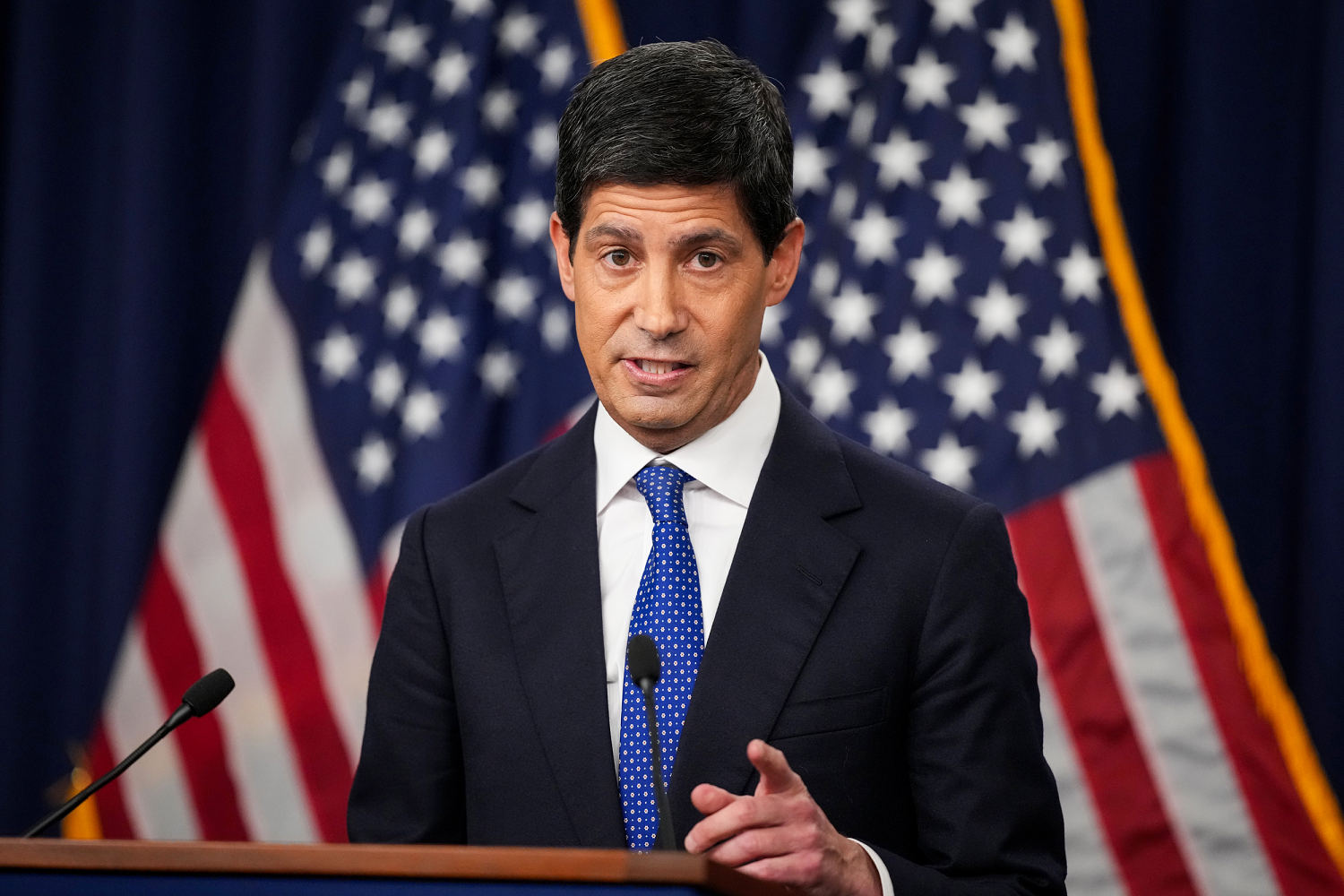
Everyone keeps combing through Kevin Warsh's speeches for a blinking neon sign on interest rates. Honestly, you're looking in the wrong place if you expect a neat little roadmap.
Since taking over as Federal Reserve chair earlier this year, Warsh has made his playbook pretty clear: he doesn't like handing out advance signals on rate moves. Outside of an actual crisis, he has pushed back against heavy forward guidance, arguing that locking yourself into promises too early boxes the Fed in when data shifts. Even when he speaks at major conferences—like his November 16, 2026 remarks at the Federal Reserve's Productivity and Jobs Task Force event in San Francisco—the speech itself isn't usually a rate announcement. Yet those speeches still offer real clues about whether the Fed will raise interest rates next. You just have to read how he frames inflation, productivity, and risk rather than hunting for a magic phrase.
Stop Hunting for a Direct Rate Promise
Watch enough Fed press conferences and you'll notice how traders treat every syllable like a secret code. That habit worked better under past regimes that relied heavily on telegraphing moves months ahead. Warsh operates differently.
In his August 2026 Jackson Hole address, "In Our Time," he explicitly warned listeners not to treat his outline as forward guidance, calling it a trail map instead and arguing for a quieter central bank in normal times. Then at his October 28, 2026 press conference—after the Fed held the federal funds target range at 3.75% to 4.00% following a September hike—he repeated that he doesn't believe in forward guidance absent exigent circumstances.
So if you sit down with a Warsh transcript waiting for him to say we're hiking on December 9, you'll walk away annoyed. His speeches matter because they show how he weighs competing pressures when the Federal Open Market Committee (FOMC) sits down to vote. And right now, with the December 8–9, 2026 meeting coming up and minutes from the October gathering pointing toward more tightening if inflation stays sticky, his framing carries real weight.
What His Speeches Actually Reveal About Rate Hikes
When Warsh talks publicly, he usually isn't trying to move bond yields on a Tuesday afternoon. Instead, he lays out the mental model guiding the board. Three clues stand out whenever you read his remarks.
1. He treats 2% inflation as a hard line, not a suggestion
Some commentators wonder whether central bankers quietly tolerate a little extra inflation when growth is running hot. Warsh shut that idea down plainly during his October 28 press conference, stating there is no soft or implicit inflation target—price stability means 2% as measured by the Personal Consumption Expenditures (PCE) price index.
Earlier, when the Fed raised rates in September 2026—its first hike since July 2023—Warsh put it bluntly: inflation had been too high for too long, and summer readings hadn't convinced him underlying trends were improving fast enough. Whenever a speech circles back to price stability, sticky prices, or "interrogating reality" on the ground, that's hawkish fuel. It tells you he won't shrug off stubborn inflation just because businesses and consumers are spending.
2. He takes AI and productivity seriously, but refuses to use them as a free pass
One of the sharpest debates in markets right now is whether artificial intelligence—or what Warsh has called "super intelligence" (SI) in his November 16 task force remarks—will boost productivity enough to keep growth going without stoking inflation. Some market voices argue rate hikes won't even bite into AI investment because expected returns are so huge.
Warsh isn't buying an easy free lunch. In his November 16 opening remarks, he laid out multiple possibilities: AI and new technology could spark a broad productivity boom that lifts living standards, or they could disappoint, hit equity valuations, and push unemployment higher—or bring labor market disruption along the way. Even in October, he pushed back on the idea that interest rates don't touch AI, noting that rates "get in the cracks" and affect almost everything directly or indirectly.
For anyone wondering whether the Fed will raise interest rates, that skepticism matters. He won't assume future tech breakthroughs solve today's price pressures ahead of time.
3. He separates political noise and long-term tasks from near-term policy
People constantly view Fed speeches through a political lens, especially given public clashes over rate policy, tariffs, energy shocks, and Fed independence. Warsh has repeatedly pushed back on that framing, insisting the Fed stays in its lane on monetary policy while fiscal and trade policy sit elsewhere.
He also draws a line between long-term structural work—like his task forces examining productivity, jobs, and financial innovation—and immediate rate decisions. A conference speech on innovation or jobs doesn't mean the FOMC is putting rate hikes on ice. If incoming inflation and labor numbers stay firm, the committee can still hike regardless of what a task force is studying.
The Mistake Most Investors Make When Reading Fed Speeches
The biggest trap I see people fall into is treating a single speech as a final verdict. Markets love drama. One day a headline makes Warsh sound dovish because he mentions productivity or patience; the next day another headline makes him sound hawkish because he stresses inflation.
In reality, Warsh has emphasized looking at trends rather than reacting to one noisy print, and letting the committee gather information between meetings. Even among Fed officials, there isn't complete agreement on speed or size—some governors have openly argued for bigger or faster moves, while others favor a steadier approach. Reading a speech in isolation without checking recent inflation prints, labor data, and FOMC minutes is like watching one quarter of a game and declaring the final score.
Also, don't confuse whether the Fed will raise interest rates with how big the hike will be. A speech might convince you a move is likely without telling you whether policymakers are leaning toward a standard quarter-point step or something larger.
How to Read Warsh's Next Remarks Like a Pro
If you follow Fed policy for your business, portfolio, mortgage, or personal budget, you don't need a Wall Street desk to read these speeches well. Try this practical routine next time Warsh takes the podium:
- Read the actual text or transcript, not just the first headline: Check the Federal Reserve speeches page and FOMC press conference transcripts to see what he said about inflation trends, financial conditions, and the 2% goal.
- Cross-check with FOMC minutes and market pricing: Compare his tone against the latest Federal Reserve FOMC meeting minutes and rate expectations on the CME FedWatch tool so you know what's already priced in.
- Test your own borrowing and cash exposure: If you carry variable-rate debt, plan to refinance soon, or hold cash in money market funds or CDs, map out what another quarter-point or half-point bump would cost—or earn—you over the next six months.
- Watch the calendar around FOMC meetings: Pay closer attention to data releases and official remarks leading into scheduled meetings—such as the December 8–9, 2026 gathering—rather than overreacting to off-cycle commentary.
Warsh isn't going to hand you a neat cheat sheet before the vote. Pay attention to how he defines price stability and risk, pair his words with the hard numbers, and you'll read the room a whole lot better than the people chasing headlines.