Jordan occupies the most dangerous geographic position in the Middle East. It is a financially fragile, resource-poor state serving as the physical buffer between the expanding influence of Iran’s proxy network and the security architectures of Israel and the Gulf states. The Hashemite Kingdom does not seek regional leadership, nor does it possess the military or economic capacity to project power beyond its borders. Instead, Amman’s security strategy relies entirely on preserving a precarious status quo: securing external financial aid, maintaining a peace treaty with Israel, and acting as a critical logistics hub for Western defense forces.
This posture of defensive neutrality has transformed the country into a primary target for Iranian kinetic, asymmetric, and political pressure. By dissecting the geopolitical, economic, and military variables shaping this confrontation, we can quantify the structural vulnerabilities that Tehran is actively exploiting to compromise the kingdom's sovereignty. Expanding on this theme, you can find more in: The Silent Rewiring of Global Trade.
The Strategic Transit Corridor and the Geography of Containment
To understand why Jordan is targeted, one must look at the physical terrain of the Levant. The territory acts as a critical land bridge connecting the Shia-led governments and militias of Iraq and Syria to Israel and the West Bank. This spatial arrangement creates what military strategists call a "transit bottleneck."
                       [ SYRIA / IRANIAN PROXIES ]
                                    │
                                    │ (Weapons & Captagon Flows)
                                    ▼
[ ISRAEL / WEST BANK ] ◄──── [ JORDAN ] ◄──── [ IRAQ / ISLAMIC RESISTANCE ]
                                    ▲
                                    │ (Financial Support & Defense Integration)
                                    │
                        [ UNITED STATES / GCC ]
For Iran’s regional command, the territory represents both an obstacle and an opportunity: Experts at Al Jazeera have shared their thoughts on this trend.
- The West Bank Access Route: Tehran’s regional strategy requires establishing reliable supply lines to armed factions in the West Bank. Jordan’s long, porous western border with Israel and the West Bank makes it the only viable land route for smuggling weapons, funds, and personnel from Iraq and Syria.
- The Interdiction Shield: During major direct military confrontations, Jordan acts as a physical shield for Israel. Air defense assets operated by Amman and Western allies intercept Iranian drones and ballistic missiles traveling through Jordanian airspace before they can reach Israeli targets.
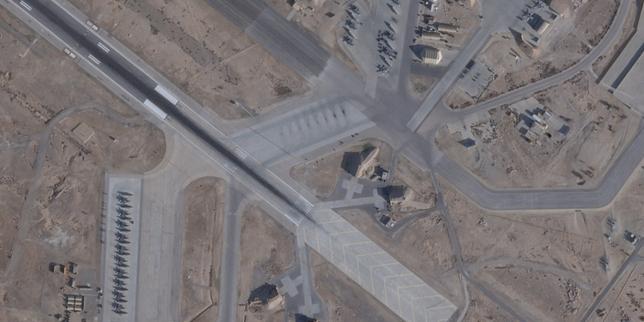
- The Western Military Footprint: The territory hosts critical Western military installations, including Tower 22 on the northeastern border and Muwaffaq Salti Air Base. These bases serve as operational platforms for counter-terrorism and regional intelligence collection, directly impeding Iranian efforts to consolidate a continuous security corridor from Tehran to the Mediterranean.
By destabilizing Amman, Tehran aims to convert a defensive buffer state into an open transit corridor, thereby shifting the balance of power on Israel's longest border.
The Economic Cost Function of Geopolitical Friction
The kingdom's vulnerability is deeply rooted in its economic structure. Jordan's fiscal balance sheet is structurally dependent on external assistance, and regional instability acts as an immediate drag on its macroeconomic performance.
Macroeconomic Profile (Annual)
┌──────────────────────────────┬──────────────────────────────┐
│ Total State Budget           │ $18.4 Billion                │
├──────────────────────────────┼──────────────────────────────┤
│ US Aid Contribution          │ $1.47 Billion (~8% of budget)│
├──────────────────────────────┼──────────────────────────────┤
│ Tourism GDP Contribution     │ ~15% (Pre-war)               │
├──────────────────────────────┼──────────────────────────────┤
│ Pre-War Israeli Gas Dependency│ 85% of power generation      │
└──────────────────────────────┴──────────────────────────────┘
The financial toll of regional conflict manifests across three distinct economic vectors:
1. Energy Supply Disruption
Prior to recent escalations, the state relied on Israel for 85% of its natural gas imports, which powered approximately 70% of its electricity grid. Interruptions in this supply chain forced Amman to pivot to liquefied natural gas (LNG) imports through the Aqaba regasification terminal. The premium associated with spot-market LNG purchases added an estimated $120 million per month to the state's energy bill, placing an unsustainable burden on public finances.
2. Tourism Contraction
Tourism represents roughly 15% of the national GDP. Active kinetic operations in neighboring territories and intercept debris falling over urban centers led to a near-total collapse of international bookings. This loss of foreign currency reserves accelerates the depreciation of national fiscal cushions, forcing deeper reliance on international lenders.
3. Food Security and Subsidy Pressures
The state budget allocates significant resources to bread and basic food subsidies to prevent domestic unrest. Global supply chain blockades in the Red Sea, paired with an Iranian-linked cyberattack targeting the national strategic wheat reserves, have forced the government to pay higher prices for wheat and grain imports.
The financial cost of defending the state's airspace and borders drains capital that would otherwise fund domestic economic reforms.
The Border Attrition Campaign: Captagon and Weapons Flow
Iran’s pressure campaign does not rely solely on formal military threats. Instead, it utilizes an asymmetric gray-zone strategy along the 375-kilometer Syrian-Jordanian border. This campaign operates through two primary flows: illicit narcotics and advanced conventional weapons.
       [ SYrian Regime & Allied Militias ]
                       │
         ┌─────────────┴─────────────┐
         ▼                           ▼
[ Captagon Operations ]     [ Weapons Smuggling ]
 - Industrial production     - Armor-piercing munitions
 - High-margin financing     - Tactical drones & MANPADS
 - Border penetration        - Intended for West Bank
         │                           │
         └─────────────┬─────────────┘
                       ▼
            [ JORDANIAN TARGET ]
             - Border security drain
             - Internal destabilization
The Narcotics Weaponization
The industrial-scale manufacture of Captagon (a synthetic amphetamine) in Syria provides pro-Iranian militias and Syrian state actors with billions of dollars in unregulated revenue. The southern border of Syria is used as a primary export route. The smuggling operations are highly organized, featuring armored convoys, thermal imaging equipment, and weaponized drones. For Amman, countering this flow requires mobilizing substantial military forces, transforming the northern border into an active defense zone and draining vital state resources.
Tactical Weapons Proliferation
Beyond narcotics, smuggling networks have transitioned to moving high-grade military hardware. Intercepted shipments destined for the West Bank have contained claymore mines, anti-tank missiles, armor-piercing explosives, and hand-held air defense systems (MANPADS). These operations serve a dual purpose: they arm militant factions in the West Bank while testing and mapping the weaknesses of Jordan's internal security services.
The Sovereign Airspace Dilemma and Interception Economics
The direct aerial confrontations between Israel, Western coalitions, and Iran have forced Jordan into an unsustainable security trilemma. Under international law, a sovereign state is obligated to defend its airspace. When Iranian missiles and attack drones enter Jordanian territory en route to Israel, Amman must choose between three highly destabilizing options:
                            ┌──────────────────────────────────────┐
                            │      Jordan's Sovereign Dilemma      │
                            └──────────────────┬───────────────────┘
                                               │
             ┌─────────────────────────────────┼─────────────────────────────────┐
             ▼                                 ▼                                 ▼
┌─────────────────────────┐       ┌─────────────────────────┐       ┌─────────────────────────┐
│     Permissive Pass     │       │   Active Interception   │       │   Security Abdication   │
├─────────────────────────┤       ├─────────────────────────┤       ├─────────────────────────┤
│ Allow Iranian missiles  │       │ Intercept projectiles   │       │ Abandon defense and let │
│ to cross unhindered.    │       │ using domestic systems. │       │ Western allies handle.  │
├─────────────────────────┤       ├─────────────────────────┤       ├─────────────────────────┤
│ CONSEQUENCE:            │       │ CONSEQUENCE:            │       │ CONSEQUENCE:            │
│ Destroys security ties  │       │ Depletes air defenses;  │       │ Signals loss of state   │
│ with US and Israel.     │       │ sparks domestic unrest. │       │ control over territory. │
└─────────────────────────┘       └─────────────────────────┘       └─────────────────────────┘
The military cost of active interception is highly asymmetrical. The ground-based air defense systems and F-16 fighter sorties deployed by the Royal Jordanian Air Force utilize highly expensive, Western-supplied interceptor missiles. Intercepting a swarm of low-cost Iranian-manufactured Shahed-136 drones—which cost less than $30,000 each to manufacture—depletes stockpiles of air defense munitions that cost hundreds of thousands of dollars per unit.
Furthermore, falling debris from mid-air interceptions over populated areas like Amman and Irbid creates localized physical destruction and civilian casualties. This domestic damage is weaponized by Iranian media outlets, which frame the Hashemite monarchy as an active protector of Israel, driving a wedge between the state and its highly sympathetic pro-Palestinian domestic population.
The Internal Stability Equation and Demographic Pressures
Tehran’s ultimate objective is not a conventional military invasion of Jordan. Instead, it seeks to induce a structural collapse from within by exploiting existing domestic socio-demographic fault lines.
More than half of the Jordanian population is of Palestinian origin, a demographic reality that creates a highly charged political environment during regional conflicts. Iran’s proxy network, particularly through its communication channels in Iraq, Yemen, and Gaza, actively encourages public mobilization inside the kingdom.
This domestic pressure campaign operates across three main axes:
- Protest Mobilization: Mobilizing mass demonstrations near the Israeli embassy in Amman and along the western border. These gatherings demand the cancellation of the 1994 Arava Peace Treaty and the termination of security cooperation with the United States.
- Economic Boycott: Driving domestic campaigns to boycott Israeli energy imports and Western consumer goods, which reduces tax revenues and worsens the state's budget deficit.
- Information Warfare: Spreading targeted narratives across digital platforms that depict the Jordanian armed forces as Western collaborators rather than defenders of national sovereignty.
This dynamic forces Jordan’s security services to allocate significant personnel to domestic policing, diverting focus and resources away from external border defense.
Tactical Forecast and Strategic Playbook
To survive this sustained pressure campaign, Jordan must shift from a reactive security posture to a proactive containment strategy. The following defensive playbook outlines the necessary steps to mitigate these vulnerabilities:
1. Decouple from Single-Source Energy Dependencies
The vulnerability associated with Israeli natural gas imports must be permanently reduced. The state should expedite integration with the Arab Gas Pipeline to increase intake from Egypt, while expanding domestic solar and wind infrastructure in the eastern desert. This diversification will lower the fiscal cost of regional supply interruptions.
2. Modernize Border Interdiction Technologies
Relying on conventional infantry patrols to secure the northern border against high-tech smuggling operations is no longer viable. The armed forces must deploy automated, sensor-driven border security systems. This includes installing ground-penetrating radar to detect smuggling tunnels and deploying low-altitude drone detection systems along the Syrian frontier.
3. Recalibrate the Air Defense Cost Model
To prevent the rapid depletion of expensive air defense stockpiles, the military must integrate cost-effective kinetic systems. Deploying anti-aircraft gun systems, such as the Gepard, alongside directed-energy or low-cost missile interceptors, will allow the state to neutralize drone swarms without exhausting its supply of expensive, long-range guided missiles.
4. Codify Multilateral Airspace Defense Agreements
Amman should formalize its airspace defense cooperation with Western and regional allies. Rather than acting as an ad-hoc interceptor, the state should secure a binding multilateral agreement where allies cover the direct costs of munitions used to defend the kingdom's airspace during regional escalations.
Without these strategic adjustments, the financial and political costs of maintaining its position as a regional buffer state will eventually exceed the kingdom's capacity to absorb them, making it increasingly vulnerable to external destabilization.