Political memoirs usually serve up heavily polished versions of history. They sanitize the messy parts. But every so often, a detail slips out that completely recontextualizes a historic disaster.
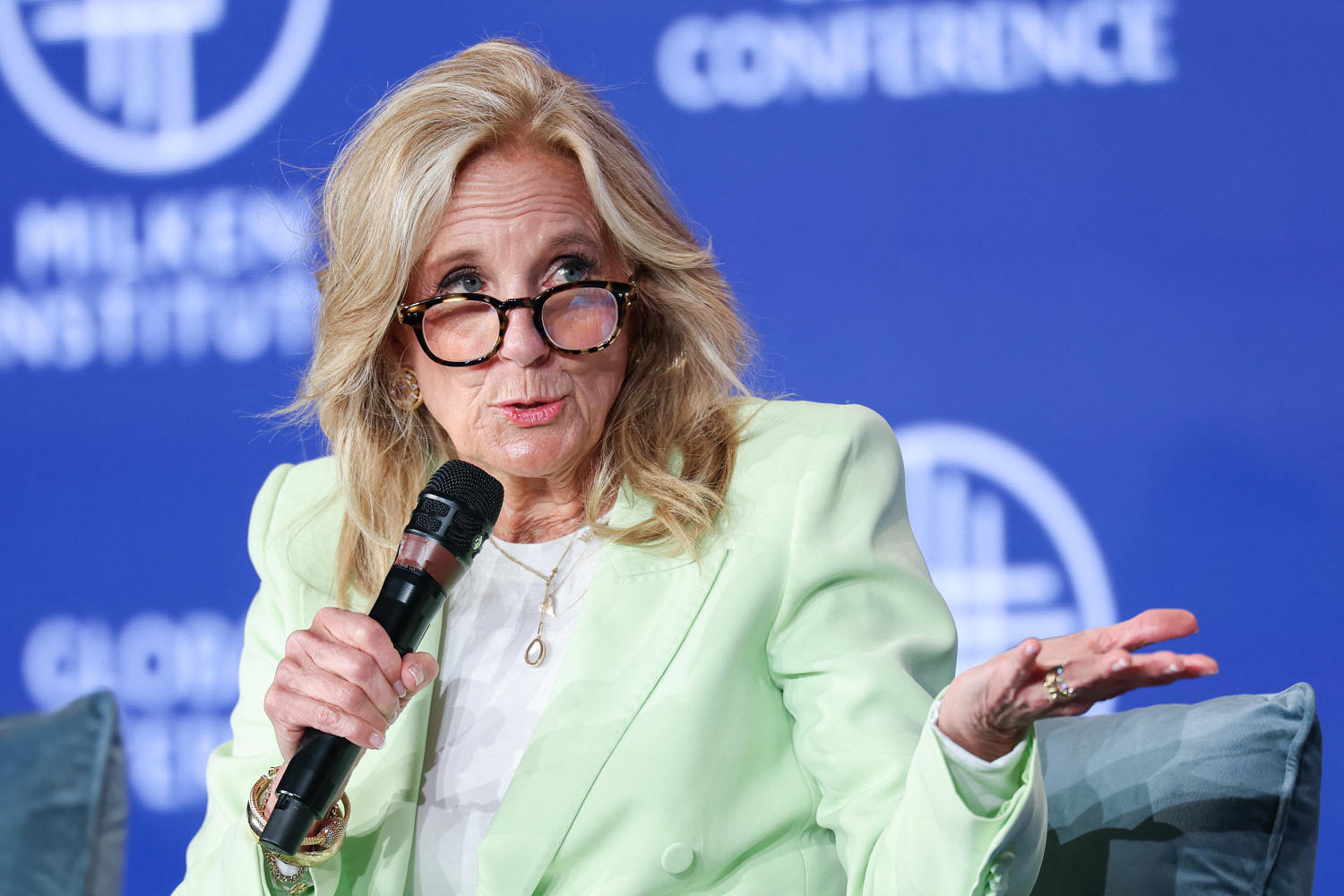
That is exactly what happened when former First Lady Dr. Jill Biden sat down with Rita Braver for a CBS Sunday Morning interview. Promoting her book, View from the East Wing, she dropped a bomb about the June 2024 presidential debate.
She admitted that she thought her husband, Joe Biden, was having a stroke live on national television.
"I don't know what happened," she said in the promotional clip. "As I watched it, I thought, 'Oh, my God, he's having a stroke.' And it scared me to death."
It is a stunning admission. It confirms that the panic felt by millions of voters watching at home was not some hyper-partisan overreaction. The President's own wife, his fiercest defender, was terrified by what she saw. Yet, the most troubling part of this revelation isn't the fear she felt in the moment. It is what she did immediately afterward.
The Disconnect Between Private Terror and Public Spin
We all remember the debate. Joe Biden walked onto the Atlanta stage with a raspy voice, stumbling over sentences, staring blankly, and losing his train of thought. He rambled on tax policy and blurted out that he "finally beat Medicare." Donald Trump capitalised instantly. The political world melted down.
Behind the scenes, Jill Biden was facing absolute terror. She claims she had never seen him like that before or since.
But look at what happened the second the cameras turned off.
Instead of calling a medical team or demanding an immediate emergency evaluation for a suspected stroke, she went right into campaign mode. She led him to a post-debate rally. She stood at the microphone and told the crowd, and her husband, exactly what the campaign needed people to believe.
"Joe, you did such a great job. You answered every question. You knew all the facts."
That stark contradiction is tough to swallow. If you genuinely believe your 81-year-old husband just suffered a major neurological event on live TV, your first call shouldn't be to campaign donors. It should be to the White House physician.
Instead, the Biden family and senior aides spent weeks gaslighting the public. They told us we were overreacting. They blamed a cold. They blamed jet lag from a trip that happened weeks prior. They attacked critics, including allies like George Clooney and former Obama aides like Jon Favreau, who dared to say out loud what Jill Biden was privately thinking.
The High Cost of the Inner Circle Fortress
This revelation highlights a massive problem in modern politics. The insulation of the presidency.
The closer you get to the center of power, the more protective the inner circle becomes. Family members and fiercely loyal aides stop acting as advisors and start acting as gatekeepers. They convince themselves that protecting the principal means shielding them from reality, even when that reality is staring back at them in high definition.
Jon Favreau pointed out the frustration felt by many after her quote aired. He noted that voters were insulted by the campaign's insistence that everything was completely fine. Pretending the debate was just a generic "bad night" eroded the public trust. It made the administration look out of touch, or worse, deceptive.
By the time Joe Biden finally stepped aside in late July 2024, endorsing Kamala Harris with just 107 days left before the election, the damage was done. The late switch left the Democratic ticket scrambling, a factor that heavily shaped the chaotic political landscape we live with today in 2026.
Why This Matters Right Now
We cannot treat these memoir rollouts as mere entertainment gossip. This isn't just about a bad night in Atlanta anymore. It is a lesson in how power operates under pressure.
When absolute loyalty replaces objective reality, institutions fail. The first lady's admission shows that the people closest to the leader are often the least equipped to make the hard, necessary calls in real time because the stakes of losing power are too high.
If you want to understand how political operations spin out of control, watch the full CBS interview when it airs. Look past the emotional framing of a worried wife. Focus on the timeline. Ask yourself why a suspicion of a stroke resulted in a celebratory rally speech instead of a trip to Walter Reed.
The next time a political campaign tells you to ignore your own eyes and ears, remember this moment. Trust what you see. The insiders usually see it too; they just aren't allowed to tell you until they have a book to sell.