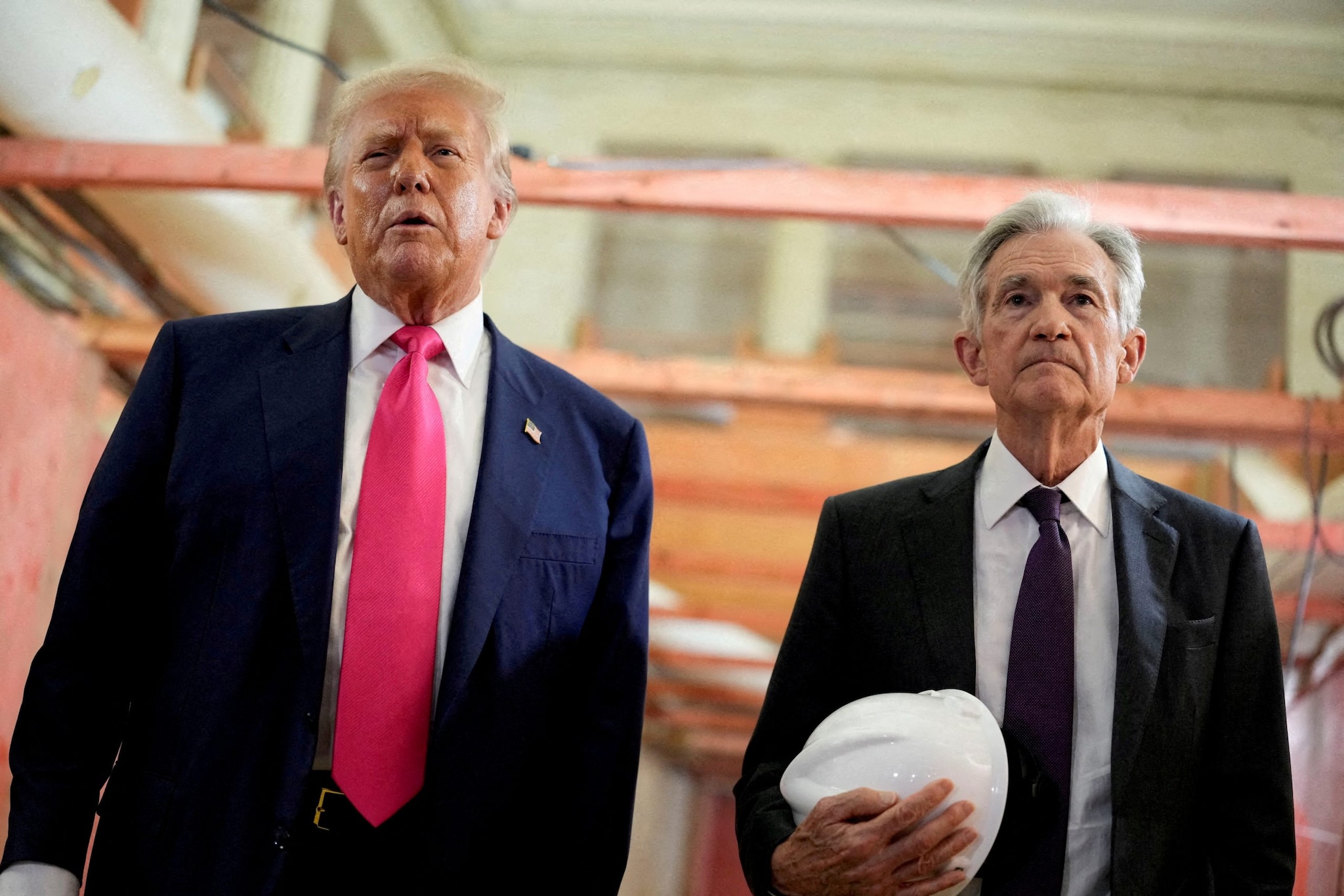
Jerome Powell isn't going anywhere. If you thought the end of his term as Federal Reserve Chair on May 15 would mean a quiet retreat to a beach or a lucrative speaking circuit, think again. In a move that's basically a middle finger to the current administration's pressure tactics, Powell announced he’s staying on the Fed's Board of Governors long after he hands over the gavel.
It’s a massive power move. It’s also incredibly rare. The last time an outgoing Chair stuck around as a regular governor was 1948. Back then, Marriner Eccles did it to spite President Truman. Today, Powell is doing it because he believes the Fed's very independence is under siege. He's not just staying for the coffee; he's staying to deny President Trump an extra seat on the board. You might also find this similar story useful: The Geopolitics of $140 Oil: Quantitative Drivers and the Iran-Trump Friction Point.
The Lawfare Strategy that Backfired
The relationship between the White House and the Fed has moved past "tense" and straight into "toxic." We aren't just talking about mean tweets or nicknames like "Jerome 'Too Late' Powell." We're talking about actual legal probes.
Federal prosecutors, led by U.S. Attorney Jeanine Pirro, have been digging into the Fed's $2.5 billion headquarters renovation. They’ve looked for criminal activity and issued subpoenas that Powell had to fight in court. While the DOJ recently suspended the criminal side of that probe, they didn't close it. They handed it off to the Fed's Inspector General. As discussed in detailed reports by Investopedia, the implications are notable.
Powell is blunt about why he's staying. He told reporters that these "unprecedented" legal attacks left him no choice. He’s waiting for "finality and transparency." Basically, he’s not leaving while there’s a smoking gun—or even a water pistol—pointed at his institution.
Preventing a Pro-Trump Plurality
Let’s look at the math because that’s where the real war is being fought. The Fed Board of Governors has seven seats. If Powell had resigned entirely in May, Trump would have had an immediate opening to fill.
By staying in his governor's seat—which doesn't expire until January 2028—Powell keeps that seat occupied. This prevents the administration from installing another loyalist who might vote for the aggressive rate cuts Trump has been demanding.
Current Board Dynamics
- Kevin Warsh: The nominee to replace Powell as Chair. He’s expected to be more aligned with the administration's desire for lower rates.
- The Dissidents: In the latest meeting, we saw four dissents on rate policy. That’s the most since 1992. The board is already fracturing.
- The Holdovers: Powell and a few others represent the "old guard" committed to the 2% inflation target, even if it means keeping rates higher for longer.
Powell knows that if he leaves, the balance shifts. He's acting as a human roadblock. He says he won't be a "high profile dissident" or try to undermine Warsh, but his mere presence and his vote carry immense weight. It creates a "two Popes" scenario where the new Chair has to lead while the ghost of the old Chair is literally sitting across the table.
Why This Matters for Your Wallet
You might think this is just a nerdy DC turf war. It isn't. The Fed’s independence is the only thing standing between stable prices and politically motivated money printing.
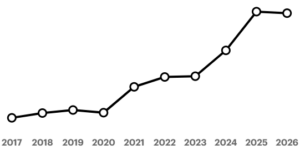
Inflation is currently sitting at 3.3%. That’s a two-year high, driven largely by energy prices and tariffs. In a normal world, the Fed would keep rates steady or even raise them to cool things down. But the White House wants cuts to juice the economy.
If the administration successfully "breaks" the Fed's independence through legal intimidation, interest rate decisions might start looking like campaign promises. That's a recipe for long-term economic disaster. Powell is betting his reputation—and his retirement—on the idea that the Fed must remain "battered but unbowed."
The Legal Shield
Can Trump just fire him? It’s complicated. The law says Fed governors can only be removed "for cause." That means inefficiency, neglect of duty, or malfeasance. It doesn't mean "I don't like your interest rate policy."
The administration tried a different tactic with Governor Lisa Cook, alleging mortgage fraud to bypass the "for cause" requirement. That case is still tied up in the Supreme Court. By staying on, Powell is forcing the administration to either keep up the legal pressure or find a legitimate way to oust a man who has successfully navigated the U.S. through a pandemic and a massive inflation spike.
Don't Expect a Quiet Transition
The next few months will be awkward. Kevin Warsh is a smart guy, but he’s stepping into a hornet's nest. He’ll have to manage a board where the former boss is watching his every move.
If you're watching the markets, don't expect the "Trump Bump" in the form of easy rate cuts just yet. Powell’s presence ensures that any pivot toward lower rates will be hard-fought and heavily scrutinized. He’s making sure the "institutional memory" of the Fed doesn't get erased by a single election cycle.
Keep an eye on the Inspector General's report on the building renovations. That’s the tripwire. If that report comes back clean and the legal threats evaporate, Powell might finally head for the exit. Until then, he’s dug in.
If you're an investor, start pricing in a Fed that stays "higher for longer" than the White House wants. The "Powell Guard" is still on duty. Pay close attention to the dissenting votes in the next two FOMC meetings; they'll tell you exactly how much control the new Chair actually has.