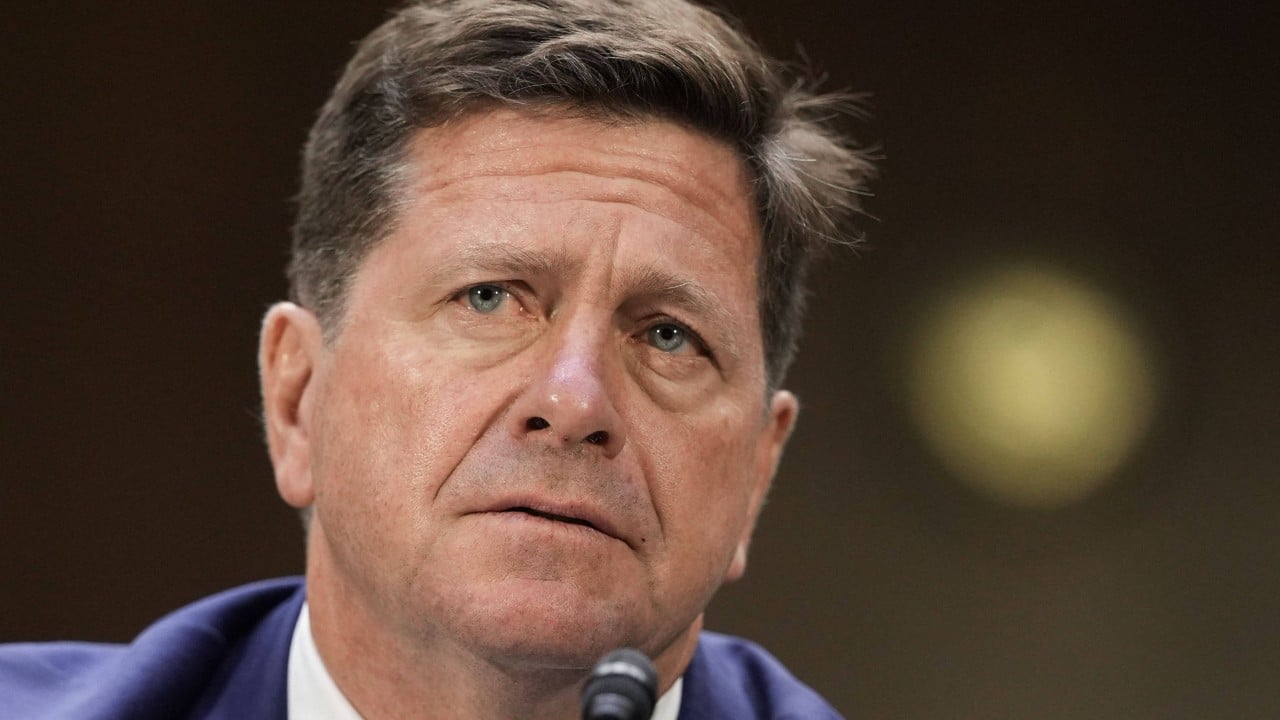
Washington views artificial intelligence through a brand-new lens. When Donald Trump named Director of National Intelligence Jay Clayton to lead the newly formed Super Intelligence Force, the administration stopped pretending artificial intelligence is merely a commercial software race. It is now treated explicitly as a matter of hard national security.
If you are watching how Washington regulates emerging technologies, this shift matters immensely. Previous venture-capital-led oversight models focused heavily on market growth and investment speed. Clayton’s appointment signals a sharp pivot toward intelligence oversight, supply chain control, and geopolitical dominance against foreign rivals like China.
The Shift From Silicon Valley Boardrooms to National Security
Earlier in the administration, tech policy was guided heavily by venture capitalists and startup veterans whose primary expertise lay in scaling software and securing private funding. That approach worked when generative models were viewed as novelty chatbots or enterprise productivity tools.
Things changed rapidly. As frontier models scaled up, federal intelligence agencies grew increasingly concerned about autonomous agents, sophisticated cyberweapons, and model jailbreaks that could compromise critical infrastructure.
Bringing in Jay Clayton bridges a massive gap between Wall Street regulation and the intelligence apparatus. Clayton brings a unique resume. He spent years running the Securities and Exchange Commission, handled high-stakes financial transactions during market panics, and served as a federal prosecutor dealing with national security crimes and espionage. He knows how global capital moves, and he understands how hostile state actors exploit systemic vulnerabilities.
Inside the Super Intelligence Force Mandate
The newly created Super Intelligence Force is not designed to sit around debating academic ethics. Its charter carries a strict 120-day timeline to report directly to the White House on immediate risks and strategic opportunities.
The group focuses on several core mandates:
- Threat Mitigation: Developing concrete action plans against artificial intelligence-enabled cyberattacks, automated espionage, and weaponized models.
- Preventing Regulatory Capture: Ensuring that government guardrails do not simply lock out smaller open-source startups to protect legacy tech giants.
- Incident Reporting: Reviewing how major tech developers disclose model breaches, hacks, and safety failures to federal authorities.
- Congressional Alignment: Examining existing statutes to determine where new legislation is required versus where executive authority can act immediately.
This structure places heavy emphasis on keeping development onshore while preventing critical model weights from leaking to geopolitical adversaries.
The Tension Between Self-Regulation and Strict Oversight
Major tech leaders recently signed voluntary pacts pledging internal safety controls, third-party model audits, and board-level risk notifications. Critics argue that voluntary self-regulation is entirely insufficient as models scale toward artificial general intelligence.
Lawmakers on Capitol Hill are pushing back with formal legislative frameworks. Proposals like the Clear Intelligence for Artificial Intelligence Misconduct drafts aim to hold developers directly liable when automated systems cause real-world harm through negligence.
Meanwhile, intelligence leadership under Clayton wants direct visibility. Reports indicating that federal AI safety testing hubs are closely tied to the White House have sparked intense debates over institutional independence. Tech companies caught between commercial velocity and national security mandates face an unprecedented compliance landscape.
What This Means Moving Forward
If you build, fund, or deploy enterprise artificial intelligence tools, the era of moving fast and breaking regulatory norms is over. Security clearances, supply chain vetting, and intelligence-community scrutiny will increasingly dictate which models get scaled and which ones get locked down.
Keep a close eye on how the Super Intelligence Force structures its upcoming baseline standards. Expect compliance requirements to shift from voluntary corporate pledges to mandatory federal oversight faster than most industry insiders anticipate.