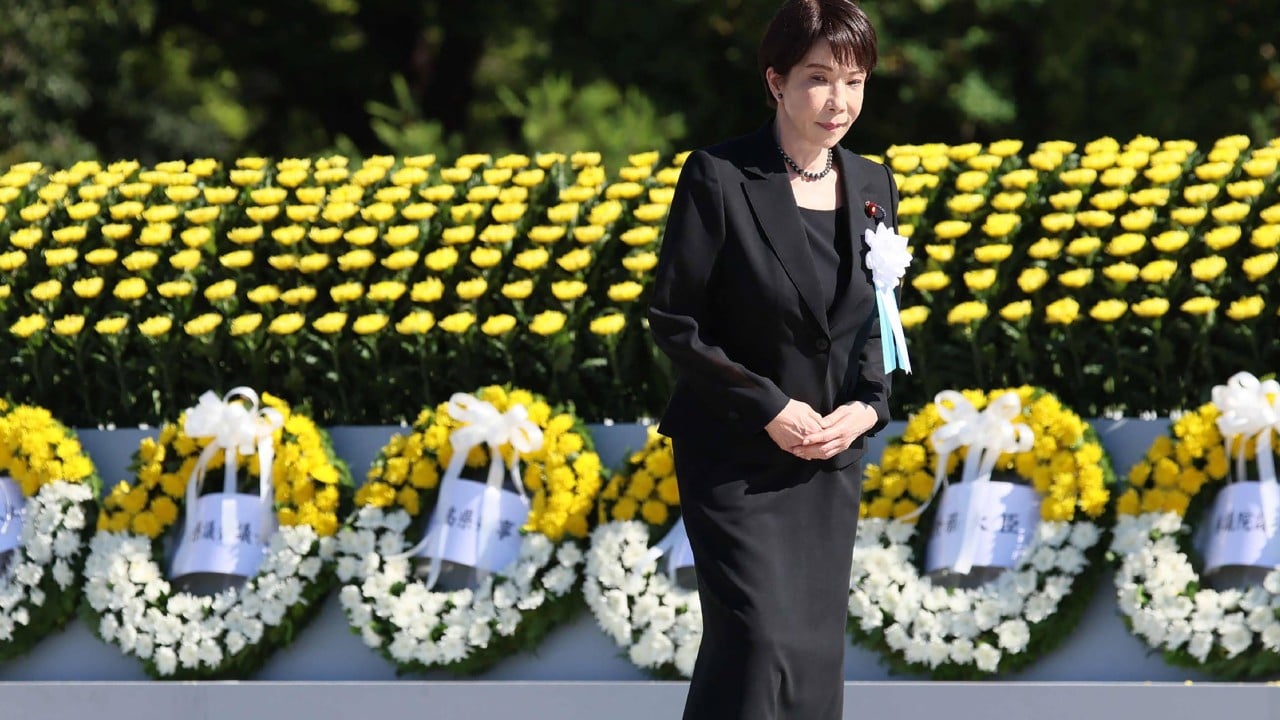
For decades, mainstream international relations commentary has treated Japan’s Three Non-Nuclear Principles as an untouchable civic religion. Pledging not to possess, produce, or permit the introduction of nuclear weapons is framed in polite Tokyo boardrooms and western think tanks as the ultimate moral shield. When Prime Minister Sanae Takaichi recently hesitated to offer a blind, uncritical endorsement of these guidelines during security updates, the commentariat panicked. Mainstream outlets wailed about ambiguity, moral decay, and a betrayal of pacifist traditions.
They have it entirely backwards.
Takaichi’s refusal to issue a rigid pledge is not a failure of leadership. It is the first sign of strategic sobriety in a country addicted to comforting illusions. The lazy consensus assumes that a legalistic taboo from 1971 can magically deter twenty-first-century hypersonic missiles, regional hegemons, and a crumbling American nuclear umbrella. It cannot.
The Myth of the Sacred Taboo
Let us define terms clearly. The Three Non-Nuclear Principles—formulated by Eisaku Sato and adopted as a parliamentary resolution rather than hard law—were born of a specific geopolitical moment. They were political grease used to secure the reversion of Okinawa while letting the United States quietly maintain a strategic deterrent under the table. They were never a suicide pact; they were a diplomatic sleight of hand.
Yet modern analysts treat them as immutable physical laws. Imagine a scenario where a naval blockade starves the Japanese archipelago of energy and food, while allied U.S. aircraft carriers hesitate to enter local ports because of a domestic political ban on transit. Under the rigid interpretation of the third principle—prohibiting the introduction of nuclear weapons—even a temporary port call by an allied vessel carrying a deterrent payload is treated as a constitutional crisis.
That is not strategy. That is theater.
The Dangerous Cost of Strategic Ambiguity Denial
Critics argue that shaking the status quo invites regional instability. This is pure projection. The actual instability stems from pretending that Japan can outsource its survival to an ally while tying that ally's hands behind its back.
Look at the arithmetic of the Indo-Pacific. China’s nuclear arsenal is expanding at a historic velocity. North Korea routinely launches missiles over Japanese territorial waters. In this environment, clinging to a policy that forbids even discussing how the U.S. extended deterrent functions operationally isn't pacifism. It is institutional negligence.
When Takaichi points out that the regional security environment is increasingly severe, she is stating a verifiable fact that mainstream commentators prefer to wallpaper over with sentimental platitudes about Hiroshima. Honoring the victims of 1945 requires clear-eyed protection of the living, not adherence to a bureaucratic checkbox that paralyzes modern defense planning.
Dismantling the Compliance Trap
People ask whether modifying these principles violates the nation’s pacific identity. This question assumes that national survival is secondary to public nostalgia.
The honest answer is that deterrence only works if the adversary believes you have options. When a nation handcuffs its own defense policy to satisfy domestic optics, it invites aggression. Takaichi’s calculated ambiguity creates necessary friction in Beijing and Pyongyang. It forces potential adversaries to guess what Japan and its allies might actually do in an extreme crisis, replacing a predictable, pre-broken shield with genuine deterrence.
The real risk is not that Tokyo will revise its stance on transit or deterrence. The risk is that the political class will fold under the weight of domestic conformity, prioritizing comfort over capability.
Stop mourning a policy designed for a Cold War that ended thirty years ago. Japan’s security is too important to be held hostage by a domestic comfort blanket.