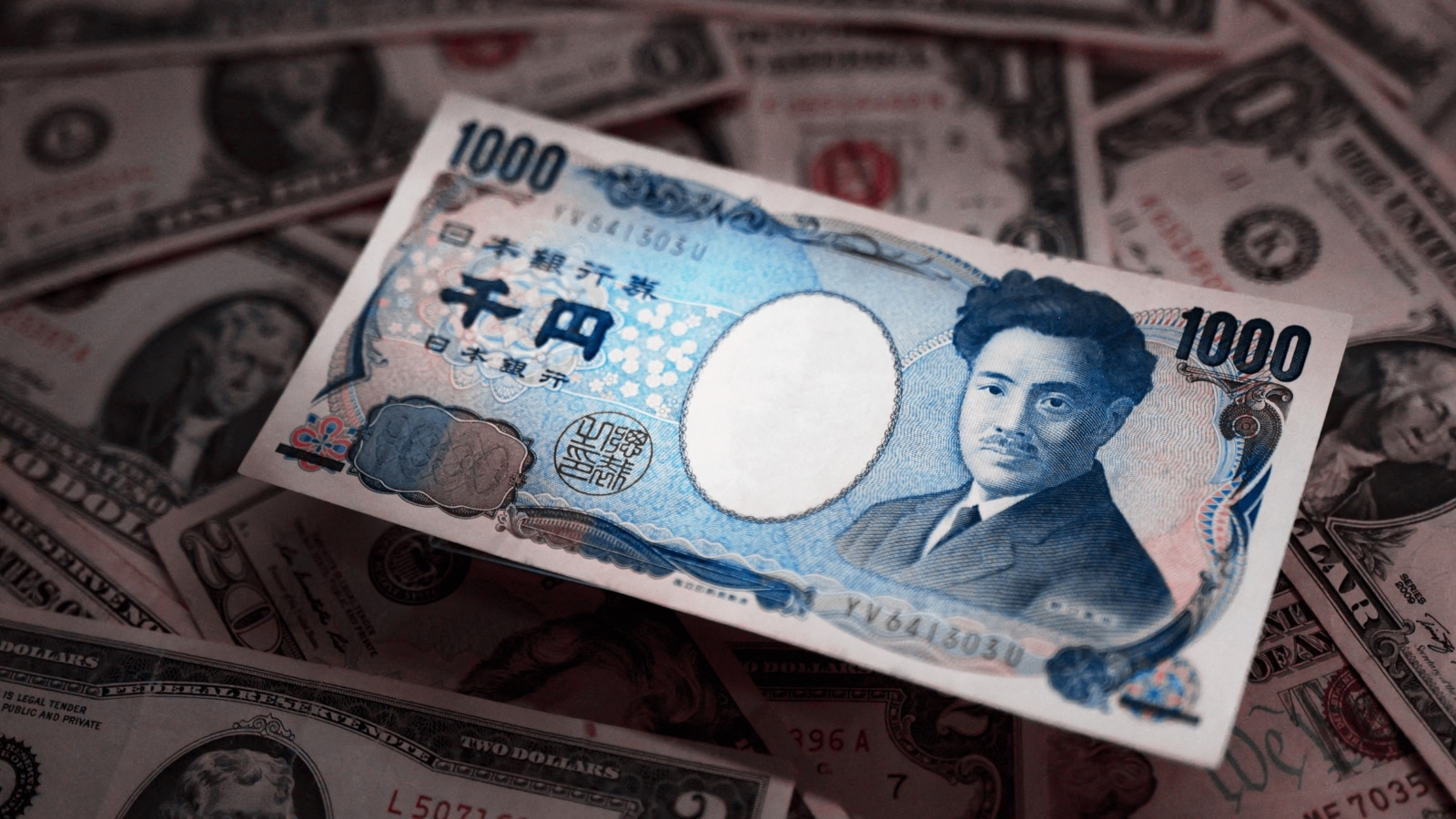
The Bank of Japan pushed its benchmark interest rate to 1.25 percent, marking the highest borrowing cost the country has endured in over three decades. For an institution that spent a generation forcing money into the global economy at zero or sub-zero returns, this shift is monumental. But beneath the headlines of a historic monetary normalization lies an uncomfortable truth. Tokyo is not executing this pivot from a position of untrammeled economic strength. It is scrambling to contain a currency crisis that threatens the very foundation of its import-dependent domestic market.
For decades, the standard playbook for global macro investors involved the carry trade. Funds borrowed cheaply in yen to invest in higher-yielding foreign assets. That architecture is cracking. Even at 1.25 percent, Japanese rates remain vastly lower than those in Washington or London. The interest rate differential continues to exert downward pressure on the currency, exposing a central bank trapped between domestic inflation, political pressures, and a bond market heavily addicted to state intervention.
To understand why this 1.25 percent threshold matters, look past the official inflation prints and examine the structural vulnerability of Japan's resource supply chains. As a nation that imports the vast majority of its energy and raw food materials, a chronically soft currency acts as a quiet, regressive tax on every household. When the exchange rate drifts toward historical lows, import costs spike instantly. Public frustration mounts, forcing the hand of policymakers who previously preferred to look the other way. Governor Kazuo Ueda and the policy board found themselves with shrinking alternatives. Action was mandatory, regardless of the internal dissent that marked the vote.
Yet, raising rates in an economy carrying a public debt burden exceeding two hundred percent of GDP is an exercise in walking a razor-thin tightrope. Every basis point increase raises the servicing costs for government debt. If Tokyo allows yields to rise too quickly to appease currency traders, the domestic bond market strains under the weight of falling asset values. Commercial banks may see temporary relief in their net interest margins, but corporate borrowers accustomed to free liquidity face an abrupt reckoning.
Consider a hypothetical mid-sized manufacturing firm in Osaka that survived thirty years of deflation by rolling over ultra-low-cost debt. Under a 1.25 percent baseline—with expectations pointing even higher—the cost of servicing that legacy debt multiplies. Companies that lack pricing power cannot simply pass these new financing costs onto domestic consumers whose real wages have only recently begun to budge. The era of zombie corporate survival is meeting a sudden and unceremonious end.
Market participants tracking the next central bank moves are missing the broader forest for the trees. The debate is no longer about whether the Bank of Japan will abandon its historic easing experiment. That bridge is crossed. The real test is whether the Japanese economy can organically generate sufficient productivity growth to support a normal interest rate environment without tipping back into stagnation.
As pressure builds for subsequent adjustments, the central bank faces a skeptical public and volatile international capital flows. The safety net of zero-percent money is gone. What replaces it is an unchartered expanse where every policy error carries immediate consequences for global liquidity.