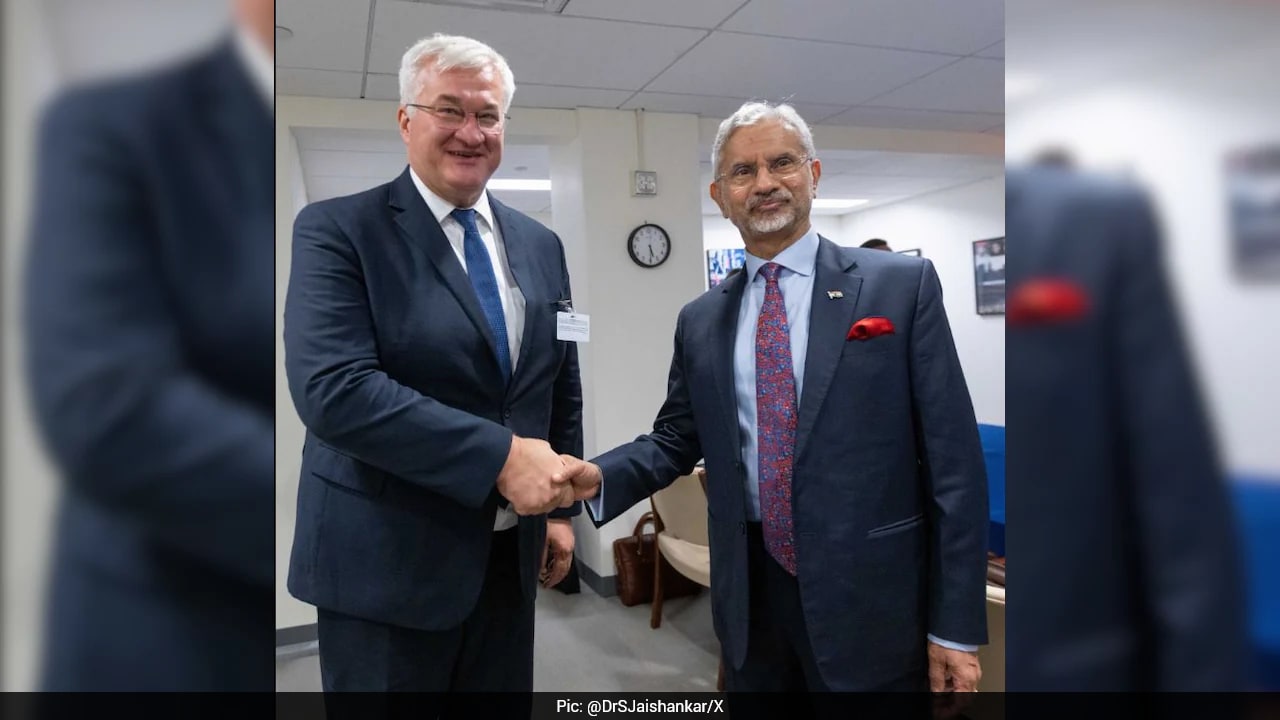
India stands at a fascinating crossroads in modern foreign policy. When External Affairs Minister S Jaishankar engages with Ukrainian leadership, the conversation moves far beyond standard diplomatic pleasantries. New Delhi faces the intricate task of balancing historic alliances with Moscow while acknowledging Kyiv's sovereignty and humanitarian concerns. This balancing act defines contemporary global strategy. The stakes are extraordinarily high.
For decades, New Delhi relied heavily on Russian defense hardware, energy supplies, and diplomatic support during regional security crises. That relationship runs deep. Yet, the current geopolitical environment leaves no room for absolute exclusivity. Western capitals push India to take a harder line against the Kremlin. At the same time, developing economies demand a neutral stance that prioritizes energy security and inflation control over distant ideological crusades.
Jaishankar has mastered the art of strategic autonomy. He frequently articulates a foreign policy rooted in national interest rather than moral posturing. When meeting with Ukrainian officials, the dialogue centers on practical cooperation, humanitarian aid, and the restoration of normal diplomatic channels. New Delhi has consistently shipped medical supplies and reconstruction support to Kyiv without severing economic ties with Moscow. Critics call this fence-sitting. Practitioners call it survival.
The economic reality is stark. India imports massive amounts of discounted crude oil from Russia, insulating its domestic market from devastating energy shocks. If New Delhi were to abruptly sever these ties, fuel prices would skyrocket. Millions of households would bear the burden. Indian leadership answers primarily to its domestic populace, not to Western editorial boards or European capitals. Every diplomatic move Jaishankar makes is weighed against the immediate welfare of over one billion citizens.
Simultaneously, ignoring Ukraine is not an option for an aspiring global superpower. Kyiv controls vital agricultural exports, particularly wheat and sunflower oil, which affect global food security. More importantly, India champions the principles of the United Nations Charter, including territorial integrity and state sovereignty. Supporting those principles in rhetoric while maintaining economic pragmatism requires immense diplomatic agility.
Ukraine views India as a potential mediator. Kyiv understands that New Delhi holds a unique position of influence in Moscow. While Western nations face deep hostility from the Kremlin, Indian diplomats maintain open doors on both sides. This positioning gives Jaishankar a rare leverage point. Whether India chooses to spend that political capital on active peace negotiations remains an open question. Historically, New Delhi prefers a cautious, non-aligned posture over aggressive shuttle diplomacy.
The broader international order is shifting away from unipolar dominance. Middle powers like India, Brazil, and South Africa refuse to be conscripted into great power conflicts. They chart independent courses. Jaishankar's engagements with Ukraine illustrate this broader structural shift. The era of unquestioned alignment with Western or Eastern blocs has ended.
As the war drags on, the pressure on New Delhi will only mount. Secondary sanctions, shipping insurance restrictions, and financial tracking systems designed by Western allies constantly test India's economic resilience. Thus far, the Ministry of External Affairs has navigated these landmines with clinical precision. S Jaishankar continues to insist that Europe's problems are not automatically the world's problems, even as he offers a sympathetic ear and practical aid to a nation under siege.
True diplomacy is measured by results, not rhetoric. India keeps its markets stable, its borders secure, and its options open. The dialogue with Ukraine will continue in quiet rooms and behind closed doors, far away from the microphones, as New Delhi writes its own rules for the twenty-first century.