The mainstream media is treating the current air leak on the International Space Station like a Hollywood script. Headlines scream about NASA instructing astronauts to prepare for emergency evacuations, painting a picture of panicked crews hovering over escape pods while mission control bites its nails.
It is dramatic. It drives clicks. It is also completely wrongheaded.
What the breathless coverage fails to grasp is that space stations are not pristine, airtight submarines meant to last forever. They are industrial machinery operating in a vacuum. Treating a routine, manageable structural degradation as an unprecedented existential crisis reveals a fundamental misunderstanding of aerospace engineering and risk management.
We need to stop panicking about the ISS leaking and start realizing that leaking is exactly what old spacecraft do.
The Lazy Consensus of Zero Risk
Every major news outlet covering the Prichal and Zvezda module leaks frames the situation as a sudden, terrifying failure. The underlying assumption is that a space station should maintain perfect atmospheric integrity until the day it is intentionally deorbited.
This is a fantasy.
The ISS has been continuously occupied for over two decades. It has been bombarded by micrometeoroids, subjected to extreme thermal cycling from 121°C in direct sunlight to -157°C in the shade every 90 minutes, and rattled by the docking of massive resupply vehicles. To expect the station to remain perfectly sealed is like expecting a commercial airliner to fly for 24 years without a single scratch, hydraulic weep, or seal replacement.
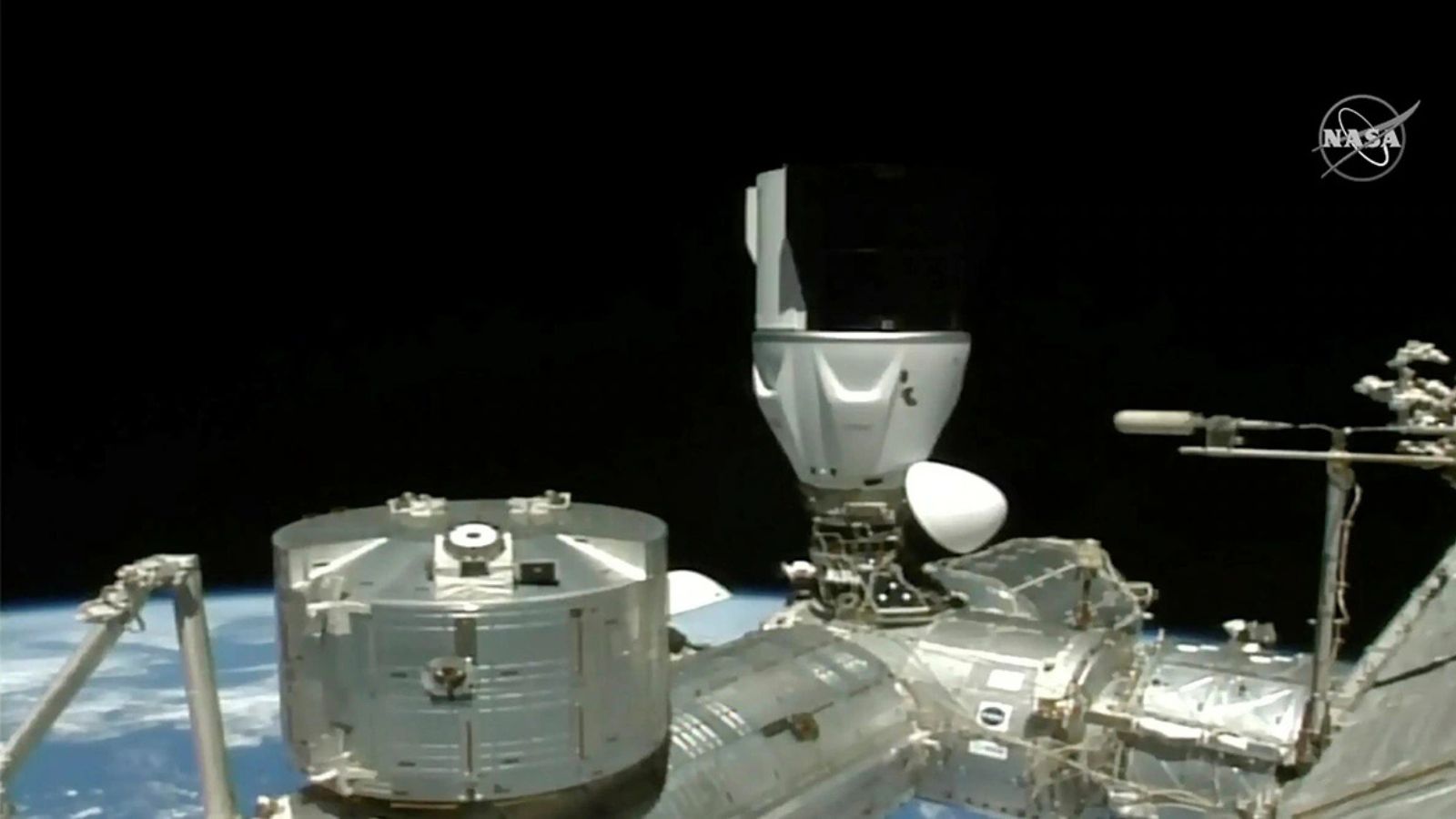
Space agency officials know this. NASA and Roscosmos have tracked the leak in the transfer tunnel of the Zvezda module since at least 2019. The recent increase in the leak rate—from less than a pound of air per day to over two pounds, and occasionally spiking higher—is an engineering problem, not an apocalyptic event.
When mission control tells astronauts to ready an evacuation plan or keep the hatch to the leaking section closed, they are not panicking. They are executing standard operating procedures. That is what engineers do: they build margins, they write checklists, and they plan for contingencies. Framing a pre-planned safety protocol as a sign of impending doom is lazy journalism.
The Flawed Premise of People Also Ask
If you look at what people are asking online, the anxiety is misplaced.
Is the ISS about to tear apart?
No. The leak is isolated to a specific transfer tunnel in a Russian module. The structural integrity of the main living and working quarters is not threatened. The station can isolate the entire section by closing a single hatch. The crew loses access to a docking port, not their oxygen supply.
Why cant NASA just patch the hole permanently?
Because finding a microscopic crack hidden behind equipment bays, insulation, and wiring harnesses in a high-voltage environment is incredibly difficult. Crews have used specialized leak detectors, tape, and sealant compounds to manage the rate. But a permanent fix on a structure experiencing continuous mechanical stress is a moving target.
The question we should be asking is not "How do we fix the leak?" The correct question is "Why are we spending hundreds of millions of dollars trying to preserve a legacy asset past its expiration date?"
The High Cost of Sentimental Engineering
I have watched aerospace programs pour staggering amounts of capital into maintaining hardware that should have been retired a decade ago. It is a classic manifestation of the sunk cost fallacy. The ISS costs NASA alone roughly $3 billion a year to operate. A growing percentage of that budget is being diverted from actual science to mundane maintenance and patching old aluminum hulls.
By obsessing over keeping the ISS perfectly pressurized until its planned retirement in 2030, we are choking out the next generation of space infrastructure.
Let us look at the mechanics of the situation. The Zvezda module was launched in 2000. Its hull is fatigued. No amount of specialized epoxy or internal patching will reverse metal fatigue. Metals under cyclical stress develop micro-fissures that inevitably expand.
[Cyclical Thermal Stress] + [Internal Pressure Load] ➔ Metal Fatigue ➔ Micro-Fissures ➔ Inevitable Leakage
Trying to eliminate leaks on a 25-year-old spacecraft is a fool's errand. You manage the leak, you isolate the section, or you accept the consumables loss and fly more nitrogen and oxygen on the next SpaceX Dragon or Progress resupply run. Gas is cheap. Astronaut time and engineering focus are expensive.
The Reality of Space Infrastructure
True experts in orbital logistics understand that hardware is disposable. Commercial entities like Axiom Space, Vast, and Voyager Space are already building modular, next-generation habitats. These private stations will not be monolithic structures built to last thirty years through sheer political will. They will be modular, swappable, and built with commercial off-the-shelf components that can be decommissioned and replaced without bringing down the whole architecture.
The current panic surrounding the ISS is actually a symptom of a deeper transition. We are moving from the era of state-sponsored, precious orbital monuments to the era of industrial, commercial space utilization.
If we want to build a real economy in low Earth orbit, we have to lose the emotional attachment to the hardware. If a module leaks beyond a certain threshold, you seal the hatch, vent it to vacuum, and move on with the mission. If the entire station becomes too expensive to maintain, you bring it down and launch a new one.
Stop treating the ISS like a fragile museum piece that must be saved at all costs. It is an aging laboratory. Treat it like one. Manage the risk, trust the checklists, keep the escape vehicles prepped as a matter of standard discipline, and focus the real energy on building what comes next.
Close the hatch and get back to work.