The Atlantic Ocean does not negotiate. It arrives with a cold, heavy shoulder, shoving aside dunes, swallowing asphalt, and rewriting the map overnight.
Ask anyone who stood on Assateague Island after the storm of 2015. They will tell you about the silence that follows a great surge, the kind of stillness where you only hear the wet grit of sand sliding back into the sea. On that day, the ocean did not just visit the Chincoteague National Wildlife Refuge in Virginia. It reclaimed it. The parking lots that generations of summer tourists had used to reach the crashing surf were suddenly underwater, battered into jagged fragments of clay and crushed shells.
It was not the first time the sea had won, and everyone knew it wouldn't be the last.
For decades, human engineering operated on a stubborn premise: if the water takes it, build it back thicker. Pour more concrete. Dump more gravel. Spend millions of dollars dragging sand back onto a beach that treats solid ground as a temporary suggestion. Since 2003, federal agencies pumped more than $15 million into endless cycles of storm recovery on this single stretch of refuge, pouring up to $400,000 every single year into repairs that lived on borrowed time.
Consider what happens when you try to pin down a living creature. Assateague is a barrier island, which means it is essentially a massive pile of sand balanced on the edge of the continental shelf, constantly migrating toward the mainland at a rate of ten to thirteen feet every year. It is a tail wagging behind the dog of the Delmarva Peninsula, shaped entirely by wind, waves, and sheer momentum. Building permanent parking infrastructure on a migrating island is like trying to anchor a tent in the middle of an avalanche.
Year after year, the math stopped making sense. The sea level rose. The storms grew hungrier. The local economy, which relies heavily on the million-plus visitors who come to catch a glimpse of the wild ponies and wide-open shores, held its collective breath every hurricane season.
Then came a shift in philosophy. Instead of asking how to beat the ocean, federal officials started asking a much more radical question: what if we just moved out of the way?
The answer is unfolding right now, two and a half miles north.
The Chincoteague National Wildlife Refuge is undergoing one of the most ambitious coastal relocations in the region. Rather than rebuilding the destroyed facilities in the exact same vulnerable footprint, planners mapped out a new recreational beach and parking hub further up the coast. Funded in part by millions in federal allocations and built with the heavy lifting of military engineering units, the new site is designed to preserve public access while respecting the stubborn physics of the Atlantic.
Nearly a thousand parking spaces, complete with modern RV areas and elevated boardwalks that snake through newly minted maritime forests and dune meadows, are rising from a more stable stretch of earth. It is an exercise in accommodation. It accepts that we cannot anchor the coastline with sheer willpower.
Yet the most remarkable part of this transformation is not happening at the new construction site. It is happening back at the place we left behind.
In the coming months, once the new beach officially opens, the old parking lots and battered asphalt will not be patched over. They will be erased. The concrete will be ripped out, the scars of human convenience smoothed away, and the entire area handed back to the tides.
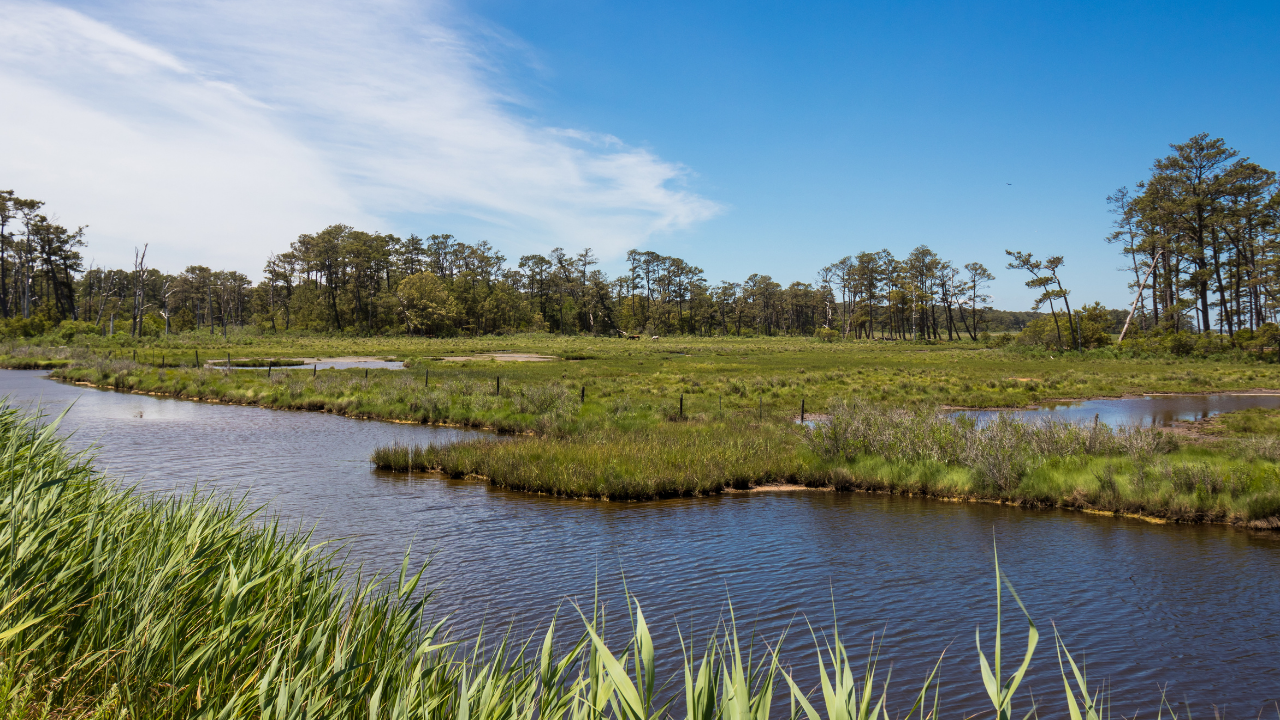
Where tourists once slammed car doors and slathered on sunscreen, nature is already moving back in. American oystercatchers and piping plovers are finding quiet, undisturbed stretches of sand to nest. Saltmarshes are creeping inward, knitting the shoreline back together with tough, salt-resistant roots that absorb storm surges far better than any seawall ever could.
We spent generations treating the ocean as an adversary to be kept at bay with crushed stone and asphalt. By packing up our beach towels and moving a couple of miles up the road, we have stumbled into a rare, quiet victory. We stopped fighting the island. We gave it room to breathe. And in return, the coast is teaching us how to let go.


