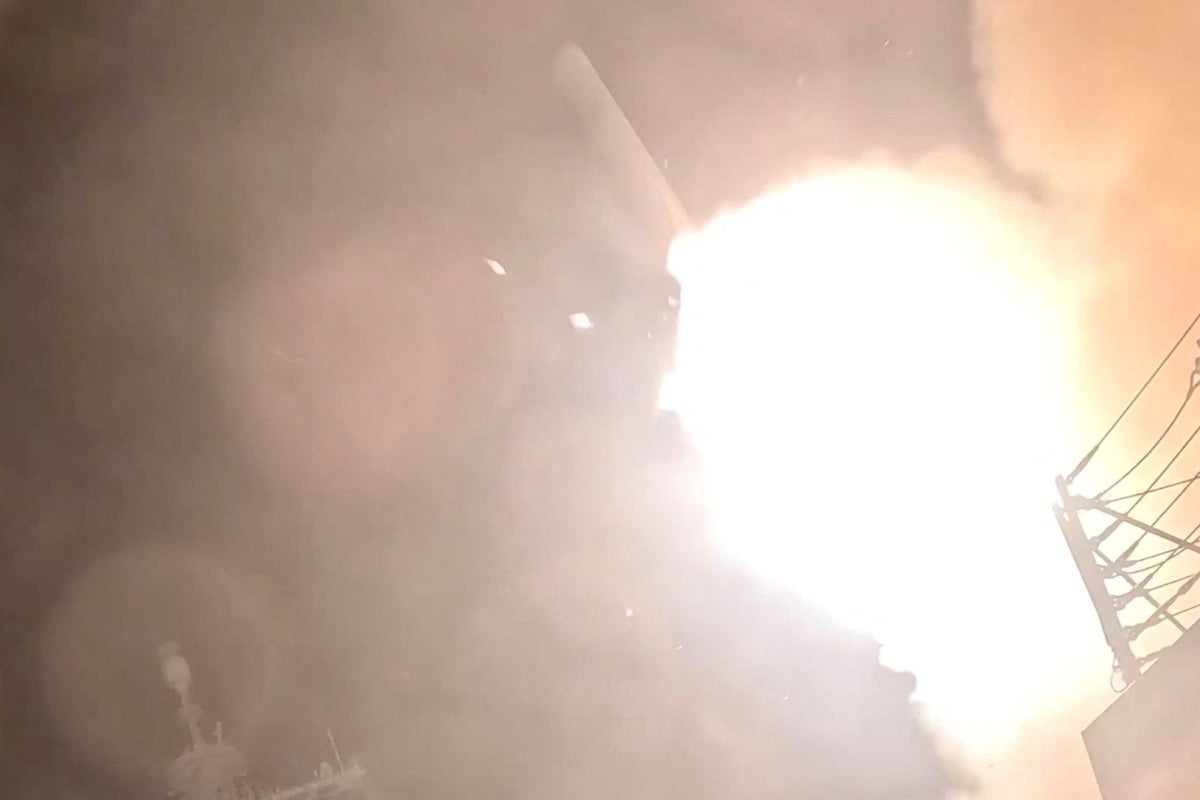
A standard military procedure in northern Iraq just turned lethal, exposing the raw, unpredictable edges of the current war between the United States and Iran. On July 18, 2026, American troops set out to destroy the unexploded ordnance left behind by a downed Iranian one-way attack drone. It should've been routine work for explosive ordnance disposal teams. Instead, the controlled detonation went wrong, killing one US service member and injuring another.
This isn't an isolated mishap in a vacuum. It pushes the total American military death toll since open hostilities erupted down to 17 killed, alongside more than 400 wounded. If you're looking for a sign that this war is getting messy, unpredictable, and dangerously close to a wider regional conflagration, this is it.
The disaster happened just a day after an Iranian drone and missile strike slammed into Muwaffaq Salti Air Base in Jordan, killing two US soldiers, wounding dozens, and leaving another missing. US Central Command later confirmed that search teams discovered unidentified remains at the Jordan site, signaling the death toll will almost certainly climb. Now, this new death in Iraq proves that even when Iranian weapons miss their targets or get shot down, they remain lethal.
The Debris Field Risk in Controlled Detonations
When the military uses the term "controlled detonation," people usually picture a safe, sterile environment where engineers push a button and watch a neat puff of smoke from a distance. The reality on the ground in northern Iraq is brutal and volatile.
Military officials confirmed to reporters that the service member killed was not actually a bomb technician. They were a soldier hit by flying fragments and debris thrown loose during the blast.
One-way attack drones are basically flying cruise missiles packed with highly unstable, industrial-grade explosives. When one gets shot down or crashes without exploding, it becomes a ticking time bomb. Clearing it requires establishing a massive safety perimeter, digging protective trenches, and counter-charging the wreck to trigger a secondary explosion.
If the blast wave catches a hidden pocket of fuel or hits unexpected rocky terrain, the shrapnel radius expands instantly. That's exactly what happened here. The secondary soldier sustained minor injuries and is recovering, but the incident proves that handling unexploded Iranian hardware is becoming a front-line combat hazard of its own.
The Shift to Iraqi Kurdistan
The geography of this war has shifted significantly over the last few months. If you look at where US forces are operating now, they’ve largely pulled back from older, vulnerable installations around Baghdad and the western Anbar province. Instead, American forces are heavily concentrated in the autonomous Kurdistan region of northern Iraq.
Tehran knows this. Iranian forces have spent weeks lobbing long-range attack drones directly at these northern facilities. The region has turned into a massive graveyard of downed electronic and explosive wreckage. Cleaning up these crashes isn't a post-war cleanup effort—it’s happening under constant threat of follow-up strikes, making the technical work of ordnance disposal incredibly tense.
The Collapsing Mirage of the Ceasefire
We're watching the total collapse of the fragile diplomatic framework that briefly held the region together last month. The illusions are gone. President Donald Trump has ordered a relentless series of retaliatory airstrikes against the Islamic Revolutionary Guard Corps (IRGC), targeting coastal surveillance networks, radar installations, and missile storage hubs inside Iran.
Trump framed the loss of American lives as a grim but necessary cost to stop Tehran's broader ambitions. He explicitly tied the current fighting to a larger geopolitical goal, arguing that these troops gave their lives to prevent Iran from obtaining a nuclear weapon.
But the strategic math isn't working out cleanly. Every time the US strikes an IRGC hub, Iran fires right back, widening the target zone to hit regional neighbors. Over the weekend, Iranian missiles and drones forced Jordan, Kuwait, and Bahrain to activate their air defense networks. Civilian infrastructure is getting hit hard. Kuwait reported that a critical water desalination plant and a major oil facility were struck by Iranian fire for the second time in 48 hours. The regional spillover isn't a future risk—it's actively happening.
What This Means for Regional Security
The conflict is choking off global trade and dragging neighbors closer to the fire. Shipping traffic through the crucial Strait of Hormuz has plummeted as the US Navy enforces a strict maritime blockade, actively redirecting and disabling commercial ships trying to breach the line.
Meanwhile, the fighting is creeping dangerously close to catastrophic flashpoints. The International Atomic Energy Agency (IAEA) is currently scrambling to investigate reports that a US airstrike hit the construction site of the Darkhovin nuclear power plant in Iran’s Khuzestan province. While the UN watchdog says the site doesn't hold active nuclear material right now, the margin for error has shrunk to zero. Iranian Supreme Leader Mojtaba Khamenei has already warned of "unforgettable lessons" if Washington keeps pressing the attack.
With 17 Americans dead and hundreds wounded, the US military faces an immediate operational crisis. Command teams can't just focus on shooting down incoming drones. They have to rethink how they manage the volatile debris fields left behind in the aftermath. As long as unexploded drones litter the landscape of northern Iraq, every single crash site is a potential fatal ambush waiting to happen.