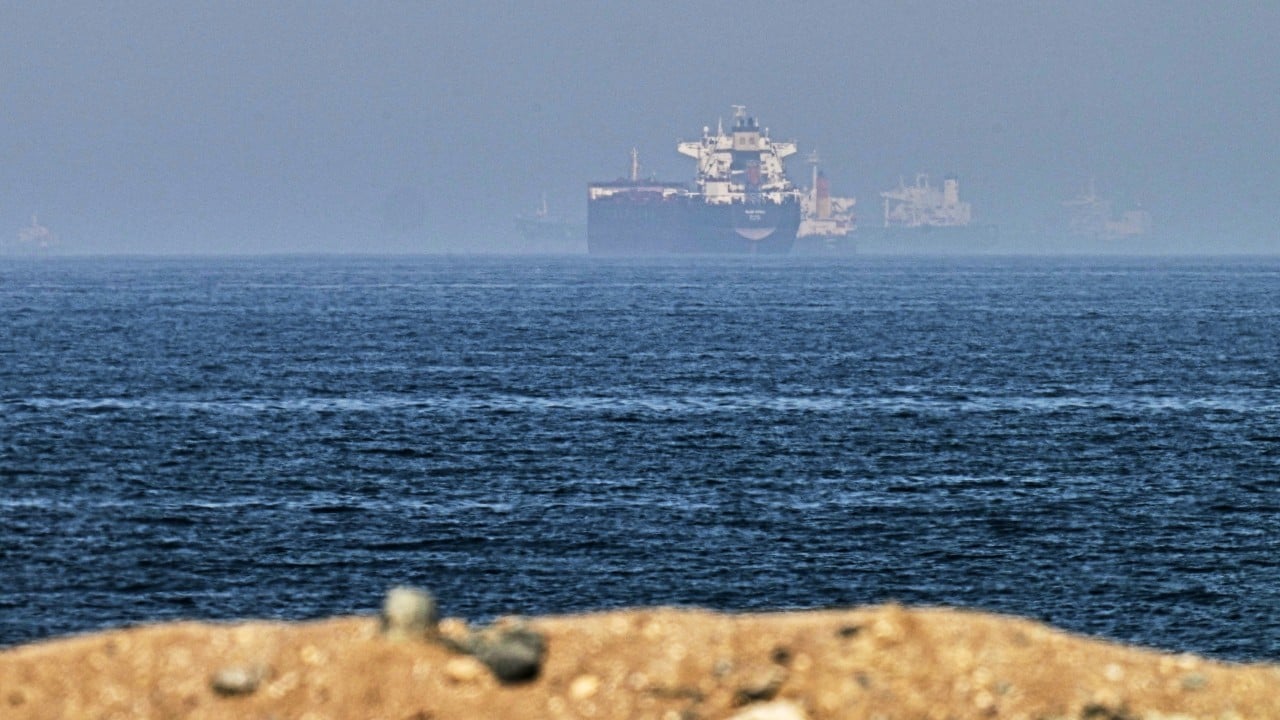
Don't let the headlines about peace proposals fool you. While Tehran's diplomats are busy handing over 14-point plans to Pakistani mediators, their fast-attack boats are still hunting cargo ships in the world’s most dangerous waterway. This Sunday, a bulk carrier found itself in the crosshairs near Sirik, Iran. It was swarmed by multiple small craft just east of the Strait of Hormuz.
The crew is safe, and the ship is still moving, but the message is clear. Iran isn't backing down from its "toll" system, and the "peace" being offered comes with strings that the White House isn't likely to pull. If you’re looking for a sign that the global energy market is about to stabilize, this isn't it.
The reality on the water is a messy contrast to the formal letters being exchanged in Islamabad. We're seeing a classic "talk-talk, fight-fight" strategy where diplomatic olive branches are offered while the IRGC (Islamic Revolutionary Guard Corps) keeps a boot on the neck of global shipping.
The Sirik Incident and the Mosquito Fleet
The attack on Sunday wasn't a fluke. It’s the 24th reported incident since this conflict began earlier this year. According to the United Kingdom Maritime Trade Operations (UKMTO), the vessel was targeted by what many call the "mosquito fleet"—small, nimble boats powered by outboard motors that are notoriously difficult for traditional radar to track.
These aren't rogue actors. Iranian officials have been blunt. They claim they "own" the strait. If you aren't flying a flag affiliated with the U.S. or Israel, you might get through—but only if you pay a toll. It’s state-sponsored maritime extortion, plain and simple.
- The Tactic: Swarm ships with high-speed craft to intimidate or disable.
- The Goal: Maintain a chokehold on the 20% of the world's oil that passes through this gap.
- The Status: The three-week ceasefire is technically alive, but it’s on life support.
President Trump has already signaled he isn't in a mood to play nice. He’s previously ordered the military to "shoot and kill" any Iranian boats seen deploying mines. While the bulk carrier escaped major damage this time, the "critical" threat level remains. One wrong move by a nervous deck officer or a trigger-happy boat commander and the ceasefire evaporates.
Deconstructing the 14 Point Peace Plan
While the IRGC was busy harassing the bulk carrier, Iran’s Foreign Ministry was busy reviewing a U.S. response to their latest diplomatic gambit. The 14-point proposal, sent via Pakistan, looks good on paper if you’re a fan of lopsided deals.
Iran wants the war to end in 30 days. That sounds great, but look at what they're asking for. They want a total lifting of the U.S. naval blockade, a withdrawal of American forces from the region, and an end to Israeli operations in Lebanon. Oh, and they want to talk about their nuclear program "later."
It’s a bold ask. Donald Trump spent Saturday reviewing the plan and, in typical fashion, didn't hold back. He expressed deep doubt that a deal is coming, noting on social media that Tehran hasn't "paid a big enough price" for its actions over the last several decades.
The U.S. is pushing its own nine-point plan, and the gap between the two is a canyon. Washington wants the nuclear issue handled first. Iran wants the economic and military pressure gone before they even discuss uranium enrichment. It’s a stalemate disguised as a negotiation.
Shipping Risks and the Toll Reality
If you’re operating a vessel in these waters, the "ceasefire" is a technicality, not a reality. The U.S. Treasury has already warned shipping companies that paying Iran’s "toll" to pass through the strait could trigger secondary sanctions.
This puts shipowners in a nightmare position. Do you pay the "toll" (often requested in digital assets) to ensure your crew's safety, or do you risk an IRGC boarding party and then face the wrath of U.S. regulators? Most are choosing to avoid the area entirely, sending oil prices on a rollercoaster and forcing ships to take the long way around Africa or pay millions for Panama Canal slots.
Treasury Secretary Scott Bessent has been trying to calm the markets, suggesting oil prices will plummet once the conflict ends. But that "end" feels further away every time a small craft approaches a northbound carrier.
The Nuclear Elephant in the Room
One of the most telling parts of Iran’s latest push is what it omits. Foreign Ministry spokesman Esmail Baghaei made it clear on Sunday: "At this stage, we have no nuclear negotiations."
This is the ultimate deal-breaker. For the U.S. and its allies, the Strait of Hormuz is a symptom; the nuclear program is the disease. Iran’s attempt to decouple the two is a savvy move to get the blockade lifted without giving up their biggest bargaining chip.
But with 40 IRGC fast-attack boats spotted in recent satellite images patrolling between Qeshm Island and the UAE, the "peace proposal" feels more like a tactical pause than a genuine shift in policy. They're showing they can turn the lights out on global energy whenever they want.
What Happens Next
Don't expect a signed peace treaty by the end of the week. The U.S. is currently clearing mines in the strait, a slow and dangerous process that shows they don't trust the water is safe yet.
If you're tracking this, watch these indicators:
- The 30-Day Clock: Iran wants a resolution fast. If the U.S. keeps "reviewing" without a "yes," expect the "mosquito fleet" to get more aggressive.
- The Toll Payments: Watch for any major shipping line that gets caught paying the Iranian toll. It’ll be the test case for U.S. sanctions enforcement.
- The Blockade: If the U.S. doesn't ease the naval pressure on Iranian ports, the 14-point plan is dead on arrival.
The attack near Sirik proves that the Strait of Hormuz is still a cage match. Diplomatic letters are fine for the history books, but on the water, the only thing that matters is who has the bigger gun and who’s willing to use it first. Keep your eye on the UKMTO alerts, not the press releases from Tehran.