Read the headline again. An acting oil minister warning that any American threat against Iranian energy infrastructure will trigger an "immediate and appropriate response."
Sounds tough. Plays well on domestic television. Means almost nothing in the cold math of global energy markets.
When a caretaker official steps up to a podium and promises instant payback against the world's largest military and its sanctions apparatus, the lazy consensus takes the bait. The predictable commentary follows immediately. Analysts warn of a $150 barrel. Traders scramble for hedges. Headlines treat every syllable as a firing order.
That consensus is lazy because it confuses theatrical deterrence with operational reality.
I have spent years watching energy executives, supply-chain directors, and commodity desks blow millions chasing geopolitical ghosts. Every time tensions flare in the Persian Gulf or around Iranian export terminals, the same mistake repeats. Decision-makers treat a ministry press release like a market order. They buy panic at the top of the spike, get whipsawed when physical barrels keep moving or when retaliation looks nothing like a headline, and eat the losses.
To understand what an acting oil minister actually controls—and what he does not—we have to separate three distinct concepts that routine coverage mashes together: energy infrastructure, export chokepoints, and retaliatory capacity.
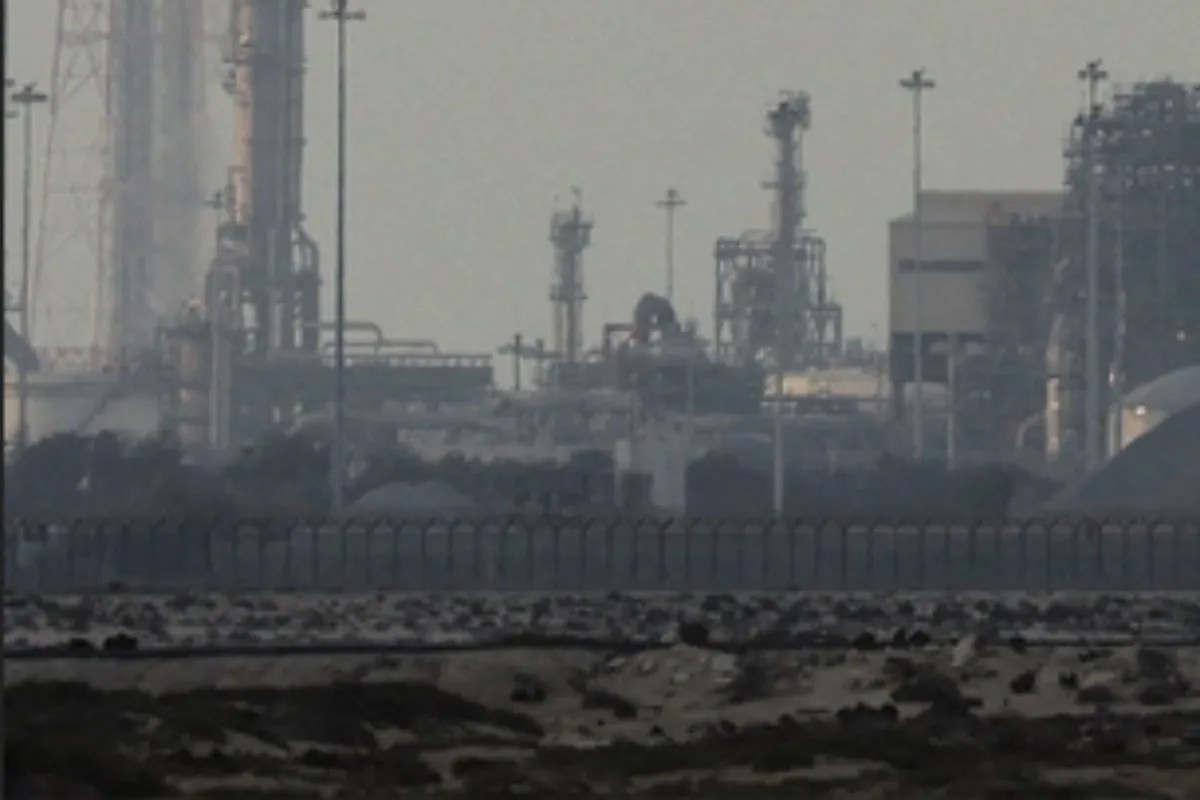
- Energy infrastructure consists of upstream fields, refineries, gas processing plants, pipelines, and loading terminals like Kharg Island. Most of it is fixed, capital-intensive, and geographically exposed.
- Export chokepoints are transit corridors—most notably the Strait of Hormuz—where a massive share of seaborne crude and liquefied natural gas passes through narrow waters.
- Retaliatory capacity is the set of asymmetric levers a state can actually pull without committing economic or military suicide in the process.
Conflate those three and you misprice risk every single time.
The Acting Title Tells You More Than the Threat
Start with the job title itself: acting oil minister.
In bureaucratic systems—and especially in state-dominated energy sectors—an acting minister sits at the intersection of political signaling and operational constraint. They do not set grand military doctrine. They manage refining runs, domestic fuel distribution, condensate storage, and whatever shadow-fleet logistics are keeping crude moving past sanctions.
When an acting oil minister warns of an "immediate and appropriate response" to American threats against energy facilities, two audiences are listening. The first is domestic and regional: a signal that Tehran refuses to project passivity while under pressure. The second is the oil market itself: an attempt to attach a political price tag to any strike on Iranian hydrocarbons.
Notice the word "appropriate."
In diplomatic and military parlance, "appropriate" is elastic. It can mean a cyber intrusion against commercial shipping or energy logistics. It can mean accelerated enrichment or centrifuge moves that raise pressure without crossing an immediate threshold for full-scale war. It can mean proxy harassment in regional waters or pressure on neighboring shipping. It rarely means a neat, tit-for-tat destruction of equivalent high-value assets unless leadership decides survival is already on the line.
Why? Because asymmetric power relies on choosing where and how to hit, not matching an opponent's playbook on command. If Washington targets energy infrastructure, Tehran's most damaging counter-levers are rarely identical strikes on U.S. domestic energy assets. Those sit far out of reach for conventional Iranian forces. Instead, the pressure points live closer to home: regional shipping confidence, insurance premiums, tanker routing, and regional energy partners.
Why "Immediate" Is Usually a Myth in Energy Crises
Markets love the word "immediate" because trading screens react in milliseconds. Physical supply chains do not move in milliseconds.
Even when a kinetic event hits an oil terminal or refinery, the market's first reaction is almost always a risk premium, not a physical shortage. There is a sharp difference between losing barrels today and pricing the probability of losing barrels next month.
Consider how oil markets actually digest threats:
| Threat Type | Primary Market Channel | Typical Duration of Price Impact | Key Bottleneck |
|---|---|---|---|
| Verbal warning from an official | Sentiment and options volatility | Hours to a few days | Lack of physical disruption |
| Cyber or minor disruption at a terminal | Localized loading delays, freight rates | Days to a couple of weeks | Storage tank capacity and alternative berths |
| Sustained strike on major export nodes | Physical supply loss, war-risk insurance | Weeks to months | Spare production capacity and transit rerouting |
| Blockade or severe disruption in Hormuz | Global crude and LNG supply shock | Months unless reopened | Narrow waterway and alternative pipelines |
Look at that table and ask why traders keep overpaying for step one as if step four is already underway.
A threat is not a barrel lost. Even a strike on specific Iranian energy assets hits a supplier whose exports are already heavily constrained by sanctions and routed largely through opaque networks. Losing sanctioned or discounted barrels hurts Tehran's revenue and complicates regional trade flows, yet the global market has repeatedly shown it can absorb or reroute flows when alternative producers hold spare capacity—provided the Strait of Hormuz stays open.
That caveat matters. If physical flows through Hormuz are severely choked, the math changes overnight because roughly a fifth of global petroleum liquids consumption and major LNG volumes transit that corridor. Heavy hitters in energy economics, from agencies like the International Energy Agency to veteran commodity analysts such as Daniel Yergin, have long emphasized that chokepoint risk is what turns a regional dispute into a global macro shock.
Yet threatening retaliation against U.S. energy threats is not the same thing as having the unilateral ability to close Hormuz indefinitely without inviting overwhelming military response and alienating every buyer of Iranian crude, including major Asian customers that depend on calm shipping lanes.
Imagine a Scenario Where Threats Turn Into Strikes
Imagine a scenario where U.S. forces strike a major Iranian oil export terminal on a Tuesday night.
By Wednesday morning, the acting oil minister's "immediate and appropriate response" is the central question on every desk from London to Singapore. What happens next?
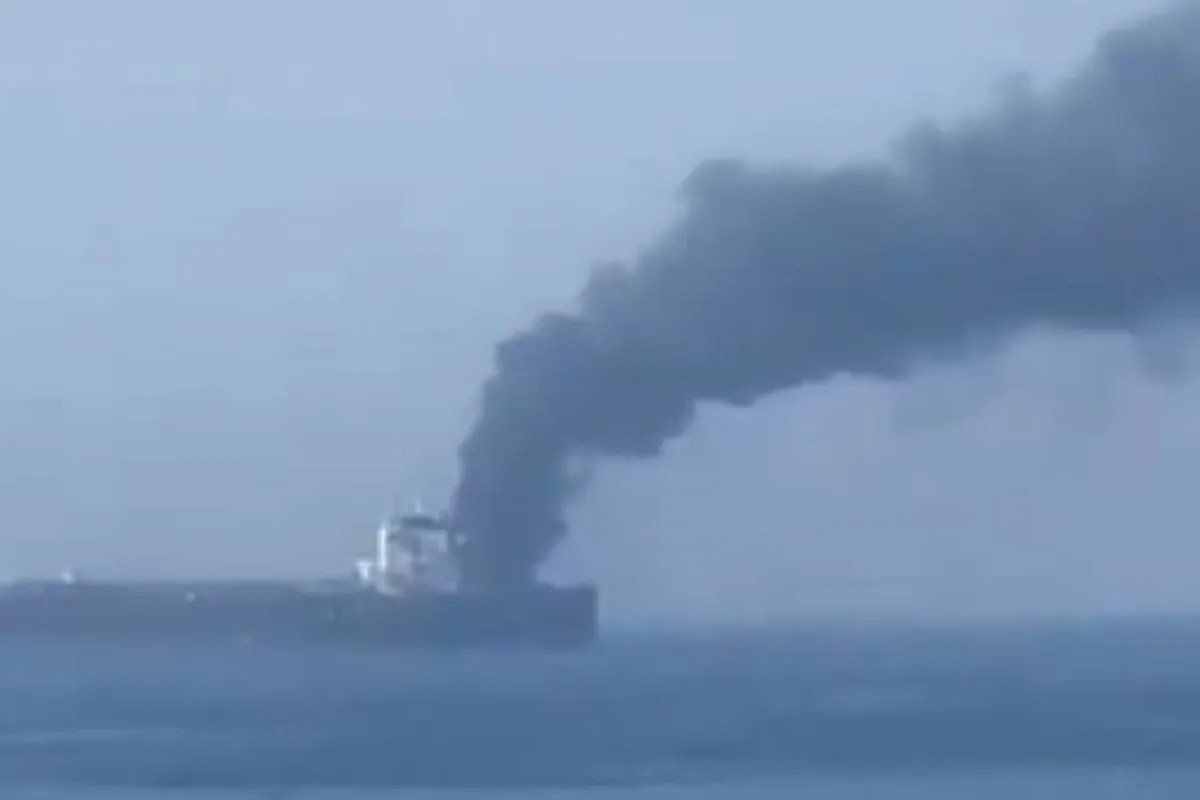
First, tanker owners and marine insurers do not wait for official statements. War-risk premiums jump in the Persian Gulf. Some operators pause transits; others demand steep rate hikes. That alone creates a temporary tightening even before a single retaliatory missile or drone is launched.
Second, retaliation arrives—not as a direct hit on a Texas refinery, which is fantasy, nor necessarily as a neat mirror strike on a single facility, which could invite a second wave that cripples Iran's own refining and export base. Instead, retaliation might take the form of harassment of commercial vessels, strikes on regional energy-adjacent targets, or coordinated pressure through aligned regional actors.
Third, watch what happens to spare capacity and strategic reserves. Saudi Arabia and the United Arab Emirates hold meaningful spare crude capacity, though part of it relies on pipelines like East-West or Habshan-Fujairah to bypass Hormuz if maritime risk spikes. Major consuming nations also hold emergency stocks that can be deployed to blunt acute panic.
In that scenario, the price spike is real—and dangerous for import-dependent economies—but it is governed by physical bottlenecks, insurance math, and escalation ceilings, not by the bravado of a press briefing.
The Questions You Are Probably Asking Wrong
When headlines like this break, people search for quick answers to standard questions. Most of those questions start from a flawed premise.
"Will Iran immediately retaliate against U.S. energy facilities?"
Wrong question. Iran cannot easily strike U.S. domestic energy facilities in a sustained, decisive way, and hitting every American energy asset abroad is logistically uneven and escalatory.
The sharper question is: What asymmetric cost can Iran impose on regional energy transit and political resolve without triggering a war that destroys its own remaining economic lifeline? Look at actions that raise shipping costs, create deniable friction, or squeeze regional neighbors rather than promises of instant symmetry.
"Should I buy oil or energy stocks right after an oil minister's warning?"
If you are trading a headline, you are already late.
By the time a warning hits wire services and social media, algorithmic desks and fast-money traders have already priced in a slice of headline risk. Buying purely on rhetoric exposes you to a "fade the spike" reversal once markets realize no physical supply was knocked offline.
If you actually manage real energy exposure—whether you run a fleet, manufacture chemicals, or allocate capital—do not react to quotes. Track physical differentials, refinery crack spreads, tanker day rates, and inventory draws. Rhetoric moves futures for an afternoon; physical balances move cash flows for quarters.
"Does this mean oil prices are guaranteed to skyrocket?"
No guarantee exists in a market shaped by demand softness, non-OPEC supply growth, spare capacity, and shifting geopolitical bargaining. A spike is possible if escalation hits shipping lanes or major export infrastructure. A fade is common when threats remain threats.
Where My Contrarian Take Can Burn You
Let's be honest about the downside of betting against geopolitical alarmism. Being the "calm contrarian" feels smart right up until the one time the tail risk actually materializes.
If you dismiss every warning as bluster and leave an unhedged energy-exposed business completely naked to supply shocks, a genuine escalation in the Gulf can wreck your margins in weeks. War-risk insurance spikes, rerouted cargoes, and sudden freight bottlenecks do not care about your clever theory of signaling.
Contrarian analysis is not about pretending risk does not exist. It is about refusing to pay a full crisis price for half-crisis rhetoric. You hedge asymmetric tail risk when insurance is cheap and discipline is high; you do not chase emotional spikes driven by an acting minister's microphone.
How to Read Energy Threats Like an Insider
Next time an official warns of an immediate and appropriate response to energy threats, run a simple four-step filter before touching a trade or changing a budget:
- Check the mandate: Is the speaker setting military policy, or defending a ministry's turf and signaling resolve?
- Separate words from barrels: Did a single pipeline, terminal, or tanker route actually stop moving physical volume?
- Map the escalation ladder: What is the cheapest, fastest, most deniable move available to the retaliating side—and what is the costliest move they are trying to avoid?
- Watch the plumbing, not the podium: Look at freight rates, insurance quotes, crack spreads, and physical inventories instead of cable news panels.
Ignore the podium. Watch the tankers.