Abbas Araghchi isn't looking for a quick exit. Iran’s Foreign Minister recently made it clear that Tehran won't just sign a piece of paper and call it a day. If you're expecting a standard ceasefire, you're missing the bigger picture. Araghchi’s stance is firm: any real end to this conflict has to include two non-negotiable pillars: ironclad guarantees against future attacks and cold, hard cash for the destruction of civilian infrastructure.
It's a bold play. In a series of interviews, including a sit-down with Al-Araby Al-Jadeed, he essentially told the world that Iran is done with "broken promises." He isn't just talking about military sites. He's pointing at schools, medical centers, and power grids. To Tehran, a peace deal without a bill for the damage is no deal at all.
The High Cost of Civilian Collateral
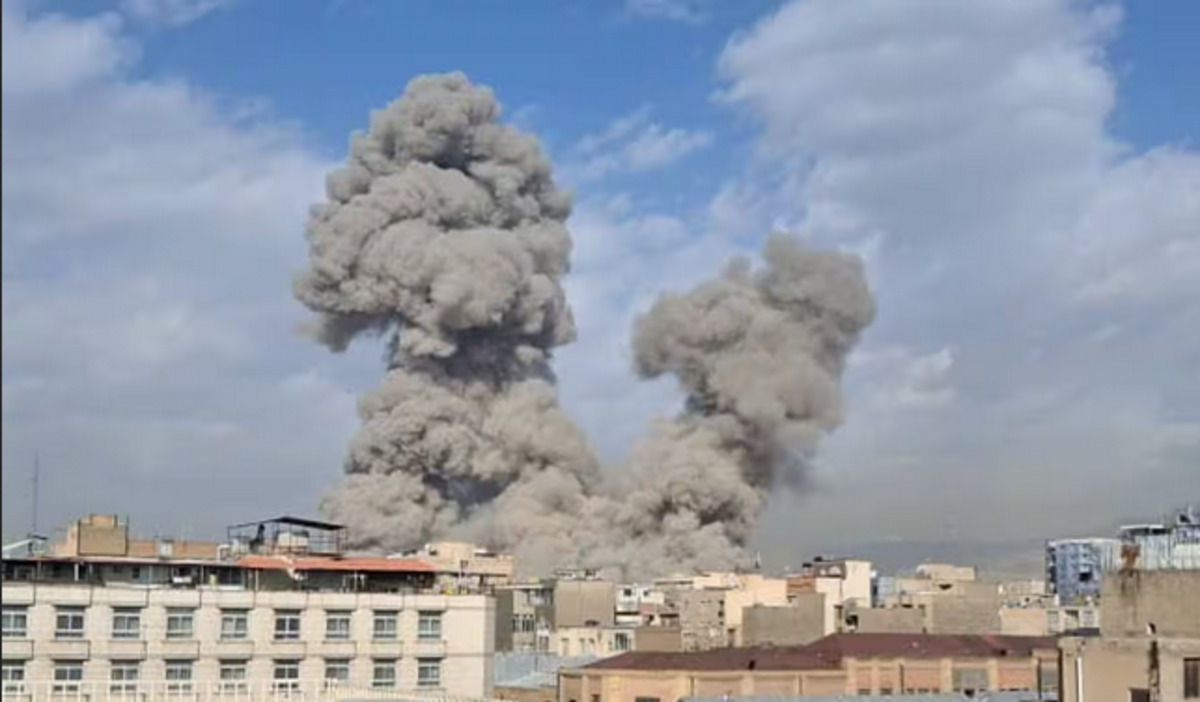
War is never clean, but the scale of the current mess is staggering. We’re seeing reports of 168 schoolgirls killed in strikes that Araghchi directly blames on the U.S. and Israel. He’s pushing a narrative that while Iran’s missiles were "surgical" and targeted only military bases, the opposition has been wrecking the lives of ordinary people.
Whether you believe that or not, the demand for reparations is a massive hurdle for any diplomat. Usually, you stop the shooting first and talk about the bills later. Araghchi is flipping the script. He’s saying the reconstruction of "life-sustaining infrastructure"—things like the electricity grid and water systems—must be part of the initial conversation.
It's not just about the money, though. It’s about accountability. By demanding compensation, Iran is trying to force its rivals to admit they broke international law.
The Breakdown of Modern Infrastructure
- Medical Facilities: Reports from March 2026 highlight strikes near the Bushehr reactor and damage to hospitals like the Soroka Medical Center.
- Energy Grids: Iran’s oil export hub at Kharg Island has been a bullseye, but Araghchi warns that if they keep hitting Iranian energy, Tehran will go after American corporate facilities in the region.
- Educational Sites: The Minab school strike has become a flashpoint for Iranian officials claiming deliberate targeting of the next generation.
Why Ceasefire Talks are Currently Dead
Don't let the headlines about "negotiations" fool you. Araghchi flatly denied that Iran even asked for a ceasefire. He told Face the Nation that Tehran is ready to defend itself "as long as it takes."
This isn't just posturing. The Iranian leadership feels burned by the 2025 talks that were followed by more strikes. They’ve lost faith in the traditional "pause-and-talk" model. For them, the conflict is now existential. They’re watching their "Axis of Resistance" take hits in Lebanon and Syria, and they’ve decided that doubling down is safer than backing down.
The Israel-US Factor and the Drone War
There’s a new player in the sky: the "Lucas" drone. Araghchi claims the U.S. developed this system to mimic Iran's own Shahed drones, using them to strike targets while making it look like Iran did it. It’s a classic "false flag" accusation.
While Washington says Iran’s missile and drone capacity is down by 90% or more, Araghchi is laughing it off. He claims their nuclear and missile programs are "technology advanced" and developed in-house, meaning they can’t be bombed into submission. This disconnect between what the U.S. claims and what Iran demonstrates on the ground is why this war keeps dragging on. Nobody agrees on who’s actually winning.
What Happens if the Energy War Escalates
If you think gas prices are high now, wait until the "Energy War" hits its peak. Araghchi has been very specific: any move to occupy or totally destroy Kharg Island is an even bigger mistake than hitting it.
He’s also playing the Strait of Hormuz card. It’s "open to everyone," he says—except the Americans and their allies. That’s a massive "except." If the world’s most important oil artery gets pinched any tighter, the economic fallout won't just stay in the Middle East. It’ll hit every kitchen table in the West.
The Reality of the "Day After"
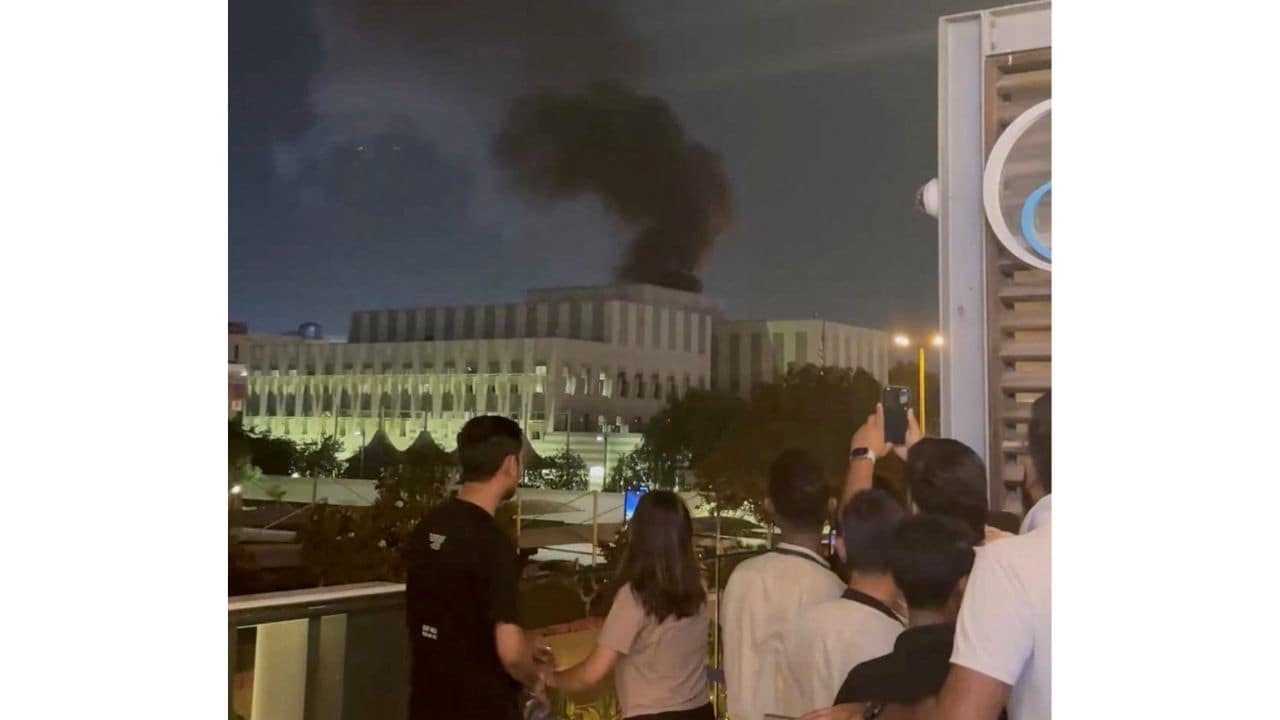
Everyone is obsessed with who wins the next battle, but Araghchi is looking at the "day after." He’s proposing a joint investigative committee with regional countries. He wants to sit down with neighbors like Saudi Arabia and Qatar—who have blamed Iran for hits on their own oil facilities—and hash it out.
It’s a smart, if cynical, move. By offering a "regional solution," he’s trying to cut the U.S. and Israel out of the peace process. He’s betting that neighboring Arab states are tired of the chaos and might be willing to talk directly to Tehran to keep their own desalination plants and airports from burning.
Your Next Steps to Stay Informed
The situation is moving fast, and the rhetoric is getting sharper. If you want to understand where this is actually going, stop looking at the military maps for a second and start looking at the legal and economic demands.
- Watch the Energy Markets: Any strike on Kharg Island is the "red line" that turns a regional war into a global economic crisis.
- Monitor Regional Proposals: If a "regional investigative committee" actually forms without Western involvement, it’s a sign that Iran’s diplomatic strategy is working.
- Track Infrastructure Damage: The more civilian sites get hit, the higher the "price of peace" Araghchi will demand, making a deal even harder to reach.
The war isn't just about who has the most drones anymore. It’s about who can afford to rebuild what’s left when the smoke finally clears. Araghchi just made sure the bill is front and center.