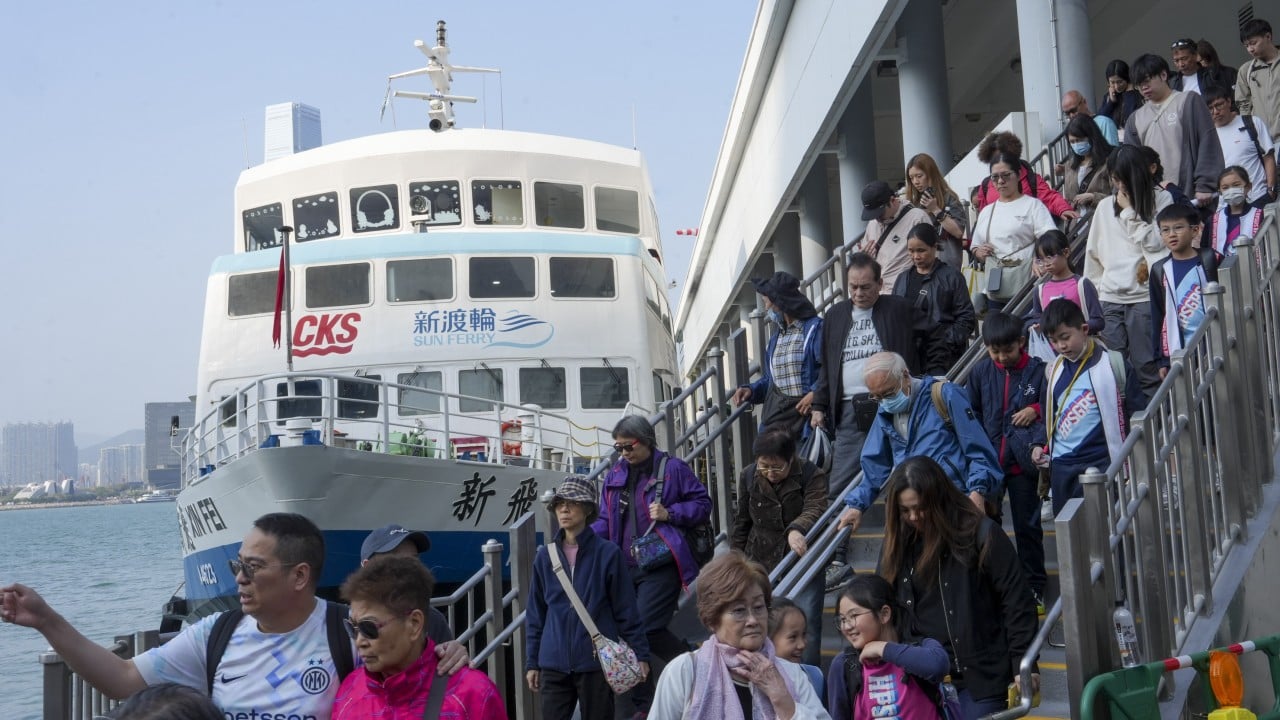
The prevailing image of the Hong Kong retiree is often a tragic one. We are conditioned to picture a solitary figure huddled in a cramped subdivided flat, surviving on instant noodles and the dim glow of a flickering television. While poverty and housing crises are undeniable stains on the city's social fabric, this trope misses a massive, vibrating reality. The "isolated senior" narrative is frequently a convenient shorthand for policy failures, yet it ignores the sophisticated, self-sustaining social ecosystems that millions of Hong Kongers have built to survive and thrive.
Retirement in this vertical city is not a withdrawal from the world. It is a transition into a different, often more intense, web of micro-communities. From the dawn-shrouded tai chi circles in Victoria Park to the high-stakes mahjong games in public housing estate common rooms, the Hong Kong retiree is arguably the most socially integrated demographic in the territory. They are the pulse of the neighborhood. They are the eyes on the street.
The idea that Hong Kong’s elderly are languishing in loneliness is more than just a misconception; it is a fundamental misunderstanding of how the city’s high-density urbanism actually functions.
The High Density Defense
Social isolation is a product of distance. In sprawling Western suburbs, a senior who can no longer drive is effectively under house arrest. In Hong Kong, density is the ultimate antidote to loneliness. When ten thousand people live within a three-block radius, the probability of meaningful daily interaction approaches certainty.
Public housing estates are the unsung heroes of this dynamic. These are not mere residential blocks; they are vertical villages. A retiree living in an estate like Choi Hung or Wah Fu doesn't need to schedule a "coffee date" three weeks in advance. They simply step out of their door. The journey from the elevator to the local cha chaan teng involves a gauntlet of greetings, nods, and brief exchanges about the price of kai-lan or the humidity levels.
This is passive socialization. It requires zero effort and provides a baseline level of human recognition that prevents the psychological slide into invisibility. For an analyst looking at the data, these interactions might not show up as "organized social activity," but for the individual, they represent the difference between belonging and exile.
The Economy of the Wet Market
If you want to find the heart of the senior social network, follow the red lamps of the wet market. To the uninitiated, the wet market is a chaotic, slippery place to buy groceries. To the Hong Kong retiree, it is a high-frequency trading floor of gossip and social capital.
Watch the interactions carefully. A retiree doesn't just buy a fish; they negotiate the state of the neighborhood. They exchange information about which clinic has the shortest queues or which grandson just got into a "band one" school. The stall owners are not just vendors; they are nodes in a massive, informal information network.
This daily ritual provides structure. Many retirees visit the market every single day, not because they need a single tomato, but because they need the rhythm of the trade. It is a performance of utility. In a society that often measures worth by productivity, the act of "doing the marketing" allows the elderly to remain active participants in the household economy, maintaining their status and their sanity.
The Myth of the Disconnected Youth
A common argument suggests that the migration of younger generations—either to the New Territories or overseas—has left the elderly stranded. While the "brain drain" and the physical distance between family members are real challenges, the assumption that physical distance equals emotional or social abandonment is flawed.
The Hong Kong family unit has adapted. The "filial piety" of the past hasn't vanished; it has been digitized and decentralized. WhatsApp groups are the new dinner tables. The constant stream of photos, voice notes, and "good morning" stickers might seem trivial to an outsider, but they provide a continuous loop of connection.
Furthermore, the "empty nest" often leads to a surge in peer-to-peer networking. When the children move out, retirees often lean harder into their own age-group cohorts. They join hiking groups that tackle the Dragon's Back with more vigor than people half their age. They enroll in "Elder Academies" to learn smartphone photography or English. The loss of immediate family proximity often acts as a catalyst for broadening their social horizons beyond the home.
The Grey Volunteers
There is a massive, unpaid labor force keeping Hong Kong running. Retirees are the backbone of the city's volunteer sector. Walk into any community center or NGO, and you won't see twenty-somethings behind the desk; you will see seventy-somethings.
This isn't just "staying busy." It is a sophisticated system of mutual aid. Healthy seniors look after the "old-old." They deliver meals, they accompany peers to hospital appointments, and they provide the kind of grassroots psychological support that no government department can replicate.
The irony is that the very people we label as "at risk" of isolation are the ones preventing the isolation of others. They have turned their retirement into a second career in social stability. By serving, they gain a sense of agency. This agency is the most potent weapon against the depression and cognitive decline that often accompany aging in less integrated societies.
The Digital Leap
We often treat the elderly as tech-illiterate relics. This is a patronizing mistake. The Hong Kong senior is surprisingly adept at using technology to bridge social gaps.
Go to a public library or a community center mid-afternoon. You will see rows of seniors hunched over tablets and smartphones. They aren't just playing mobile games; they are managing complex social lives. They use apps to coordinate group dim sum outings, share health tips, and keep tabs on the latest government vouchers.
The digital divide is closing, but it’s closing on their terms. They don't care about the latest "disruptive" app. They care about tools that facilitate real-world meetups. For them, the internet is a means to an end, and that end is almost always a face-to-face gathering over a pot of tieguanyin tea.
The Architecture of Inclusion
Hong Kong’s urban design, though often criticized for its lack of green space, inadvertently fosters senior engagement through its transit system. The MTR is more than a railway; it is a social artery. With heavily subsidized fares for the elderly, the entire city becomes their living room.
A retiree living in Kwun Tong can easily meet a friend in Tsuen Wan for a two-hour lunch for the price of a few candies. This mobility is crucial. It prevents the "neighborhood trap" where a senior's world shrinks to the four walls of their apartment. In many other global cities, the cost and complexity of transport create a physical barrier to social life. In Hong Kong, that barrier is virtually non-existent for the over-65s.
The Hidden Stressors
It would be irresponsible to paint a purely utopian picture. The social vibrancy of the Hong Kong retiree is often a resilience strategy rather than a leisure choice. They are social because they have to be. In a city with a threadbare social safety net and astronomical living costs, your network is your insurance policy.
The pressure to remain "useful" can be exhausting. There is a specific type of anxiety that comes with knowing that if you stop moving, you might be forgotten. While the mahjong groups and hiking clubs are vibrant, they are also exclusive. If a senior suffers from a stroke or loses their mobility, the very density that once protected them can become a prison. The "vertical village" only works if you can take the elevator.
The real crisis isn't a lack of social desire; it is the fragility of the infrastructure that supports it. Gentrification is the enemy of the senior social network. When a local "daipaidong" or a neighborhood grocery store is replaced by a high-end coffee shop or a luxury boutique, a vital social node is destroyed. The retirees don't just lose a place to eat; they lose a place to be.
The Institutional Gap
The government’s approach to "Active Ageing" often feels like it's trying to catch up to a reality that the seniors have already mastered. Official programs are frequently too rigid or too "top-down." They focus on organized classes and structured events, whereas the most effective social bonding happens in the gaps—the informal spaces where people can just sit and observe the world.
There is a desperate need for more non-programmed space. We don't need more "senior centers" with fluorescent lights and sign-in sheets. We need more benches in the shade. We need wider sidewalks. We need to preserve the "third places" that aren't quite home and aren't quite work, but allow for the casual, unplanned interactions that form the bedrock of a community.
Beyond the Stereotype
To look at a Hong Kong retiree and see only a victim of isolation is to ignore their incredible adaptability. These are individuals who have lived through the city’s transformation from a manufacturing hub to a global financial center. They have survived riots, pandemics, and economic shifts that would break a less resilient population.
They have mastered the art of the urban hustle. Their social lives are an extension of that hustle. It is a deliberate, daily effort to remain visible, relevant, and connected.
The narrative of the lonely senior is a comfortable one for policymakers because it suggests that the solution is simply more "outreach" or more "social workers." The reality is more challenging. The solution is protecting the organic social structures that already exist. It means recognizing that a wet market is a social service and a public housing courtyard is a mental health clinic.
We need to stop asking how we can "fix" the lives of Hong Kong’s elderly and start looking at how they have fixed the city’s inherent coldness. They have taken a hyper-capitalist, concrete labyrinth and turned it into a series of overlapping, warm-blooded tribes.
The next time you see a group of seniors gathered around a public chessboard or sharing a newspaper on a park bench, don't pity them. Observe them. They are practicing a form of social mastery that the rest of the world is rapidly losing. They aren't the relics of an old Hong Kong; they are the glue holding the current one together.
Preserve the neighborhood's physical character and you preserve the soul of the people who built it.