The vote lasted forty-five minutes, but the ripples will last three years. On a Friday morning that felt like any other in Washington, the House of Representatives gathered to decide who gets to look through the digital curtains of your private life. They call it Section 702 of the Foreign Intelligence Surveillance Act. To the people in the room, it was a legislative hurdle. To you, it is the silent software running in the background of every "Send" button you click.
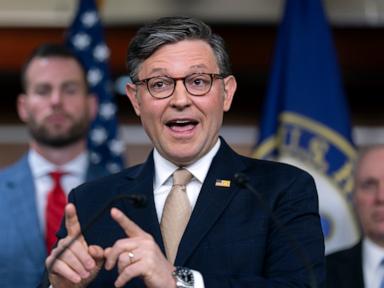
The House passed the reauthorization of this controversial spying tool, sending a three-year extension to the Senate just days before the program was set to go dark. The final tally, 273 to 147, was a victory for the intelligence community and a bruising defeat for a rare coalition of civil libertarians and privacy advocates who believe the government has far too much access to the American dinner table. Learn more on a related topic: this related article.
The ghost in the machine
Let’s step away from the marble floors of the Capitol and into a small apartment in Ohio. Imagine a man named Elias. He isn't a spy. He isn't a criminal. He is a second-generation American who emails his cousin in Cairo about a family wedding. He uses a Gmail account. He stores photos in the cloud. He lives a digital life.
Section 702 was designed to target people like Elias’s cousin—foreigners on foreign soil. The law allows the National Security Agency to compel tech giants like Google and AT&T to hand over communications belonging to these foreign targets. The government doesn't need a warrant from a judge to do this. They just need a reason to believe the person is a threat or holds intelligence value. Further journalism by The Washington Post delves into comparable views on the subject.
But here is the friction. Communications are rarely a one-way street. When Elias emails his cousin, his data is swept up in the "incidental" dragnet. His private thoughts, his location data, and his family secrets are now sitting in a government database.
Under the current rules, the FBI can search that database using Elias’s name or email address without asking a court for permission. They aren't looking for the cousin anymore. They are looking for Elias.
The amendment that almost was
The tension in the House chamber reached a fever pitch over a single proposed change: the warrant requirement. A group of lawmakers, led by an unlikely alliance of progressives and hard-right conservatives, demanded that the FBI get a warrant before searching the 702 database for information on American citizens.
They argued that the Fourth Amendment—the one that protects you from unreasonable searches and seizures—is being bypassed by a digital loophole. If the police want to search your physical mailbox, they need a warrant. Why should your digital inbox be any different?
The debate was fierce. Intelligence officials and the White House leaned hard on members of Congress. They warned of "blind spots." They whispered about missed terror plots and the looming threats from China and Russia. They painted a picture of a world where, without this tool, we would be flying into a storm without radar.
The vote on the warrant requirement ended in a tie.
A 212-212 deadlock. In the world of legislative physics, a tie is a loss. The amendment failed. The status quo remained. The government kept its key to the front door.
A shortened leash
The version of the bill that passed wasn't exactly what the intelligence agencies wanted, though. Originally, they pushed for a five-year extension. They wanted stability. They wanted the issue to go away so they could focus on the "dark web" and encrypted threats.
But trust in Washington is at an all-time low. Critics pointed to the FBI’s own audits, which revealed that agents had misused the 702 database hundreds of thousands of times. They searched for protesters. They searched for campaign donors. They even searched for members of Congress themselves.
Because of these "compliance errors," the House balked at a five-year deal. They shortened the leash to three years. This means the entire grueling, high-stakes debate will return to the floor in 2027. It’s a temporary truce in a permanent war over the right to be left alone.
The Senate waits in the shadows
Now the bill moves to the Senate, where the air is even thinner and the stakes are higher. The April 19th expiration date is a ticking clock. If the Senate doesn't act, the legal authority for the program technically vanishes.
However, the reality is more complicated. The government recently secured a one-year extension for the program through the FISA court, meaning even if the law expires on paper, the surveillance continues in practice. This fact has infuriated reformers. It feels like the house always wins.
Senate leaders are now bracing for a collision. Some senators have already promised to filibuster the bill unless that warrant requirement is put back in. Others are terrified of being blamed for a national security lapse.
Why your silence is loud
Most people don't think about FISA when they wake up. They think about the price of eggs or the weather. But FISA thinks about you. Every time you connect to a server located in the United States—which is almost every time you use the internet—you are interacting with a system that has been re-engineered to be transparent to the state.
The argument for Section 702 is built on the idea of collective safety. It is the wall that protects the city. But the argument against it is built on the idea of the individual. It is the lock on the bedroom door.
We are told we have to choose. Safety or privacy. The sword or the shield.
But consider what happens when a tool built for foreign enemies is turned inward. When the "incidental" becomes the intentional. When the data we generate—the most intimate map of our lives—becomes a library that the government can browse at will.
The House has spoken. The Senate will follow. And three years from now, we will be right back here, standing on the threshold of our own homes, wondering who else has a key.
The light is still on in Elias's apartment. He types a message to his cousin. He pauses before hitting send. That split-second of hesitation, that tiny flicker of awareness that someone else might be reading over his shoulder, is the true cost of the vote. It is a tax on the soul, paid in the currency of trust.
The three-year timer is ticking.