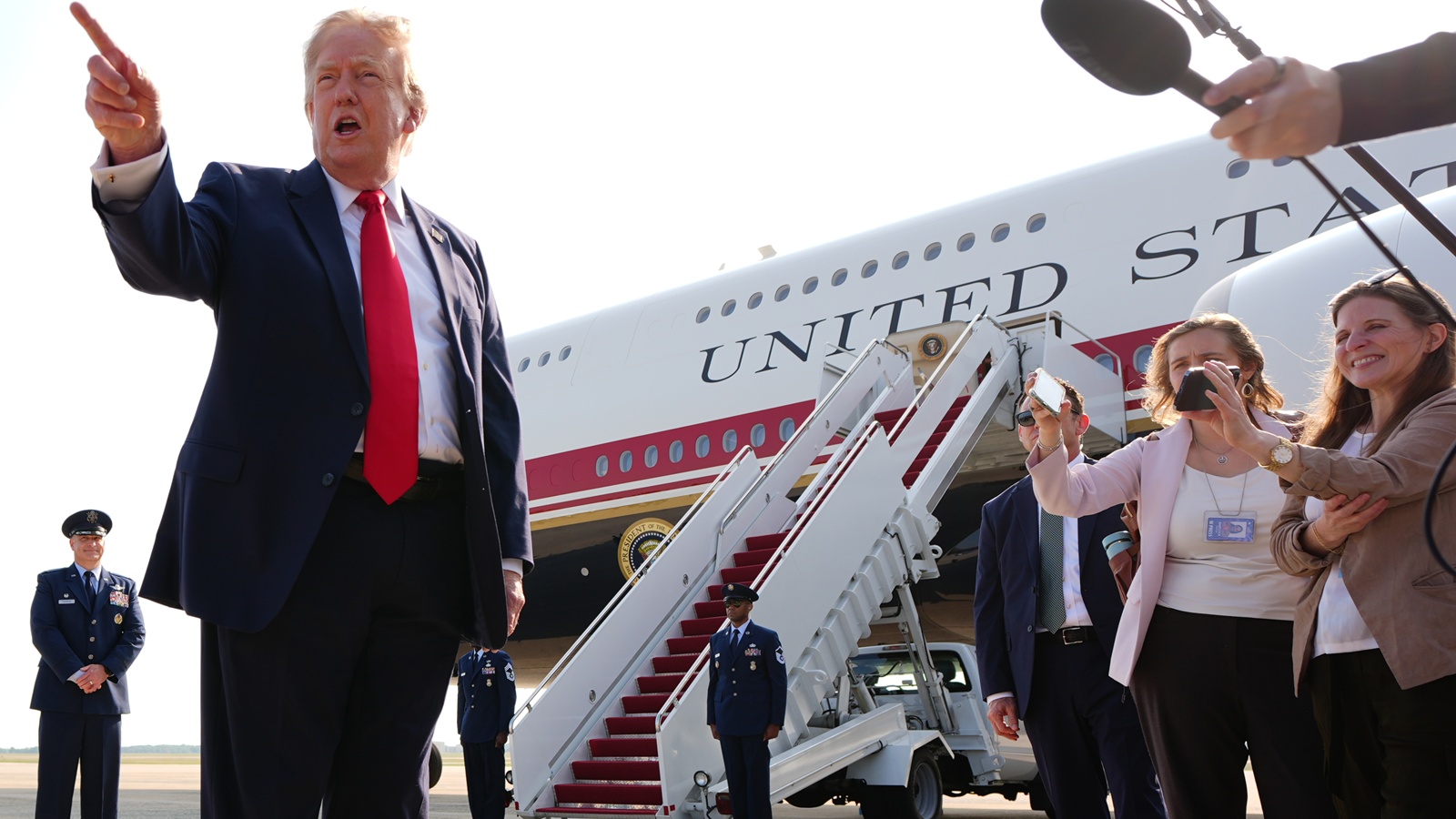
US President Donald Trump has issued a high-stakes ultimatum regarding ongoing negotiations with Tehran, warning that Washington is maintaining a narrow window for diplomacy before potentially resuming heavy military operations. Following a temporary halt to an intense wave of American air strikes, the administration faces an immediate test over the future of the Strait of Hormuz and regional stability.
The Calculus Behind the Pause
When reports surfaced that the White House had suspended its bombing campaign, regional markets reacted with visible relief. Brent crude oil prices dropped sharply after flirting with triple digits, reflecting investor anxiety over potential choke points in global energy supply lines. Yet, this fragile calm rests on an exceptionally precarious foundation. For a different view, see: this related article.
According to statements given to media outlets, the decision to hold fire was not born of a sudden diplomatic breakthrough. Instead, international intermediaries and regional partners lobbied the Oval Station heavily to grant indirect channels a final breathing space.
"All of the people that deal with Iran asked me: 'Don't fire,'" Trump noted during an interview, acknowledging the pressure exerted by foreign capitals eager to prevent a broader conflagration. Further coverage on the subject has been published by The Guardian.
Despite bowing to these requests, the administration's posture remains defined by strict impatience. When pressed on how long the pause would last, the response was blunt: "Not much time. Either it goes fast or not at all."
Behind Closed Doors in Washington and Tehran
The friction driving this cycle extends far beyond simple diplomatic posturing. Over successive weeks of escalation, military planners and senior administration figures have weighed the structural costs of sustained air campaigns against the strategic necessity of curbing nuclear advancements and securing maritime routes.
The friction points are clear:
- The Strait of Hormuz: Control over shipping lanes and maritime transit protocols remains a central flashpoint.
- Nuclear Thresholds: Washington continues to demand enforceable limits on enrichment, while Tehran insists on relief from punishing economic blockades.
- Mediated Channels: With direct talks largely absent, communications rely entirely on third-party states like Oman, complicating message delivery and increasing the risk of miscalculation.
Simultaneously, officials in Tehran have publicly rejected the notion of operating under foreign timetables. Iranian Foreign Ministry spokespersons have maintained that the state refuses to let external actors dictate the rhythm of conflict or peace. This public defiance matches a persistent pattern on the ground, where secondary skirmishes and drone activity continue to test the boundaries of the current ceasefire.
The Domestic and Regional Pressures
The domestic political landscape in Washington adds another layer of complexity. Advisors remain split on the efficacy of prolonged military engagement versus targeted economic strangulation. On one side, hawks argue that intermittent strikes are necessary to permanently degrade strategic infrastructure. On the other, economic advisors warn of volatile energy markets and inflationary shocks heading into late-year legislative cycles.
As regional leaders prepare for emergency consultations in Washington, the clock continues to run down. The current diplomatic track offers a very brief window for verification and compliance. Should these indirect exchanges fail to yield immediate structural agreements on maritime transit and security protocols, the framework will collapse entirely. The infrastructure for renewed kinetic action remains fully primed, leaving the region balanced on a knife-edge between a negotiated settlement and a rapid return to open hostilities.


