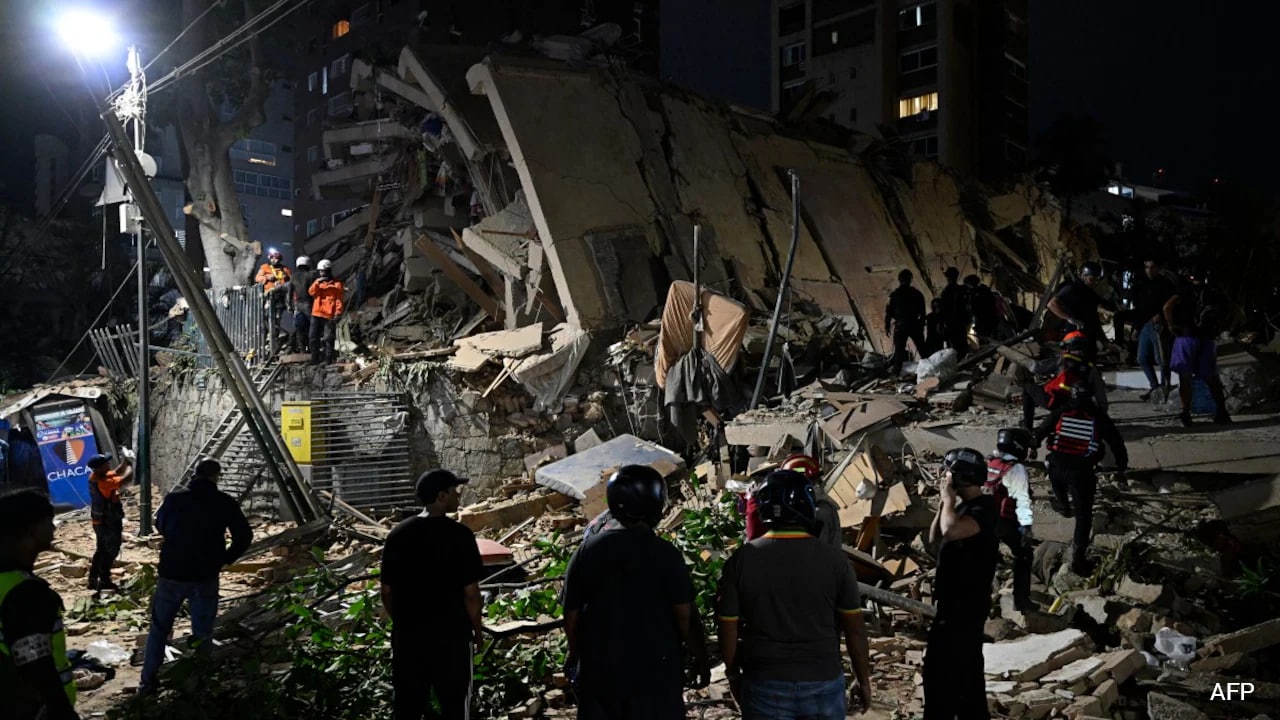
Two catastrophic, back-to-back earthquakes measuring 7.2 and 7.5 magnitude shattered northern Venezuela on June 24, 2026, pancaking high-rise residential buildings in Caracas and threatening a humanitarian disaster of unprecedented proportions. While superficial initial reports focused heavily on the immediate panic of residents who "didn't know how long it lasted," the real crisis lies in a lethal confluence of decaying infrastructure, broken communications, and a severely compromised emergency response system. The U.S. Geological Survey issued a chilling PAGER assessment, indicating a high probability that fatalities could range anywhere from 10,000 to 100,000 people. This is not just a natural disaster. It is an infrastructure reckoning decades in the making.
The twin shocks struck a mere 39 seconds apart during a national holiday, catching families at home. The epicenters were located near the town of Morón in Yaracuy state, but the shockwaves rippled violently across the country, tearing down walls and splitting concrete columns as far away as Caracas, La Guaira, and Carabobo.
The Illusion of Structural Safety
For years, structural engineers have warned about the lack of building code enforcement in Venezuela. The sudden collapse of a 22-story residential tower in the affluent Los Palos Grandes neighborhood demonstrates that vulnerability is not confined to informal mountainside settlements. High-rise developments across eastern Caracas, including the hard-hit Altamira district, have long neglected seismic retrofitting due to economic stagnation.
When the ground rolled in a strike-slip motion along the major fault line that runs 1,300 kilometers across northern Venezuela, modern concrete structures behaved like brittle glass. The primary problem stems from older concrete frames that lack ductile detailing. Without proper steel reinforcement wrapping, concrete support columns fail catastrophically under lateral loads, causing upper floors to pancake onto one another.
A Grid Paralyzed from Within
The immediate aftermath reveals a deeper systematic failure. As families scrambled into the dark streets, they were met with total silence from their mobile devices. The near-instantaneous collapse of the electrical grid and cellular networks completely severed lines of communication, leaving millions of citizens unable to check on loved ones or contact emergency services.
This digital blackout does more than stymie personal communication. It cripples coordinated search and rescue efforts. In Los Palos Grandes, early rescue attempts were conducted not by heavy machinery or specialized civil protection units, but by desperate volunteers digging through concrete chunks with their bare hands under the dim light of single cellphones.
The logistical nightmare extends to the nation's transportation hubs. Simón Bolívar International Airport in La Guaira, the main gateway for international aid, was forced to shut down entirely after sustaining major structural damage. Runway cracks and terminal collapses mean that any immediate international rescue teams must negotiate complicated, damaged overland routes from neighboring states.
The Complicated Road to Recovery
Acting President Delcy Rodríguez declared a state of emergency, but the state's capacity to handle a disaster of this scale remains highly questionable. While neighboring nations like Colombia have mobilized search and rescue teams, international aid deployment faces massive diplomatic and operational friction.
A standard emergency blueprint relies on field hospitals, heavy lifting gear, and heavy satellite deployment. Venezuela currently lacks the domestic stockpile of specialized equipment required to clear multi-story structural failures simultaneously across multiple states. Hospitals in Caracas are already overwhelmed, operating on backup generators with limited surgical supplies.
The coming days will expose the stark reality of this tragedy. Beyond the initial shockwaves, the true toll of the June 24 disaster will be measured by how quickly the country can restore basic utilities, clear the rubble of high-density housing, and whether the government will allow unfettered international humanitarian access to a disaster zone that is rapidly running out of time.