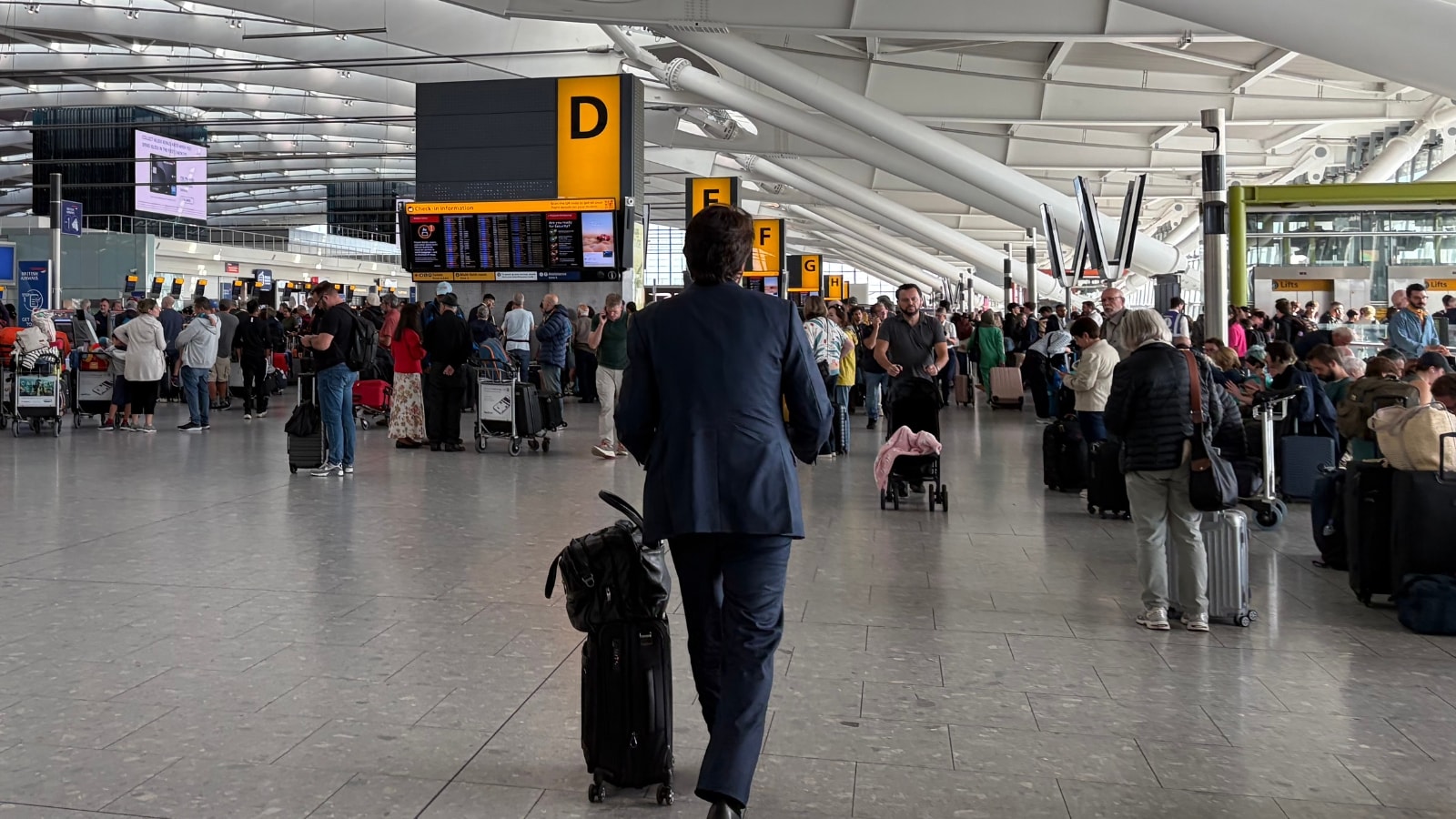
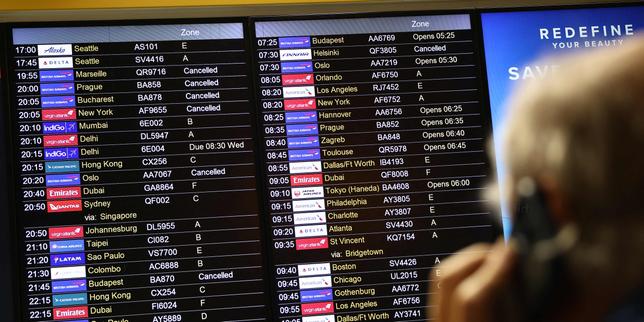
More than 1,000 flights were canceled and thousands of passengers stranded across major British aviation hubs following a critical technical failure in the country's national air traffic control network.
The system breakdown at National Air Traffic Services (NATS) paralyzed flight processing systems, forcing widespread ground stops and cascading delays from Heathrow and Gatwick to Manchester and Birmingham. While corporate statements pointed to a swift software patch, the underlying fragility of the airspace architecture points to a recurring structural emergency that demands immediate, radical accountability.
The Anatomy of a Software Meltdown
When the flight processing system locked up, controllers lost the automated tools required to safely manage dense streams of departure and arrival data. Instead of a seamless digital choreography, the operation ground down to manual workarounds. Safety was preserved only by drastically reducing the volume of aircraft permitted to move through British airspace.
Airlines watched in disbelief as schedules unraveled within minutes. British Airways wiped out massive chunks of its short-haul network, while low-cost operators reported tens of thousands of passengers trapped in sudden limbo.
Air traffic management is an ultra-low-margin game of milliseconds and predictive geometry. When the central processing core stumbles, the shockwaves do not stop at the British coastline. They ripple outward, stranding aircraft and flight crews in foreign destinations hundreds of miles away.
Restoring power to a server rack does not restore order to a global logistics machine. An airplane stranded in Zurich or Brussels cannot magically reappear at Heathrow to fly its next scheduled rotation. This basic reality explains why the disruption extended for days after the initial green light was given.
Decades of Underinvestment Come Due
This system failure is not an isolated black swan event. It represents the predictable outcome of chronic underinvestment and fragile modernization timelines within critical national infrastructure.
Industry veterans recognize the recurring symptoms. Similar technological collapses have struck British airspace with alarming frequency over recent years, each time prompting ritual expressions of regret from management followed by business as usual.
Airlines, which ultimately fund the operation through route charges, are increasingly unwilling to absorb the financial and reputational damage. Carrier executives have openly questioned executive competence at the top of NATS, pointing out that repeated software meltdowns erode public trust in the entire aviation sector.
When the monopoly provider of a G8 nation's skies suffers catastrophic IT failures on a regular cycle, the problem ceases to be technical. It becomes governance.
The Cascading Human and Financial Toll
Passengers bear the ultimate cost of these structural vulnerabilities. Beyond canceled holidays and missed business meetings lies the exhausting reality of terminal floors converted into makeshift dormitories.
Compensation claims under passenger rights regulations run into tens of millions of pounds. Yet monetary payouts do little to repair the broken trust of travelers who view flying as an increasingly volatile gamble.
For the airlines, the math is brutal. Fleet utilization rates are calculated down to the minute. An eight-hour ground stop breaks crew duty hours, triggers mandatory rest periods, and forces complex aircraft repositioning maneuvers that disrupt operations across multiple continents.
Independent carriers are left helpless, dependent on a monopoly infrastructure provider that offers limited transparency when systems fail. Communication during the height of the crisis was described by airport insiders as an operational vacuum, leaving local managers guessing while departure boards filled with red cancellation notices.
Pressure is mounting on transport regulators to mandate harsher penalties and independent audits of critical air traffic software. Without enforceable accountability and massive capital injections into secondary backup architectures, the next system failure is merely a matter of time