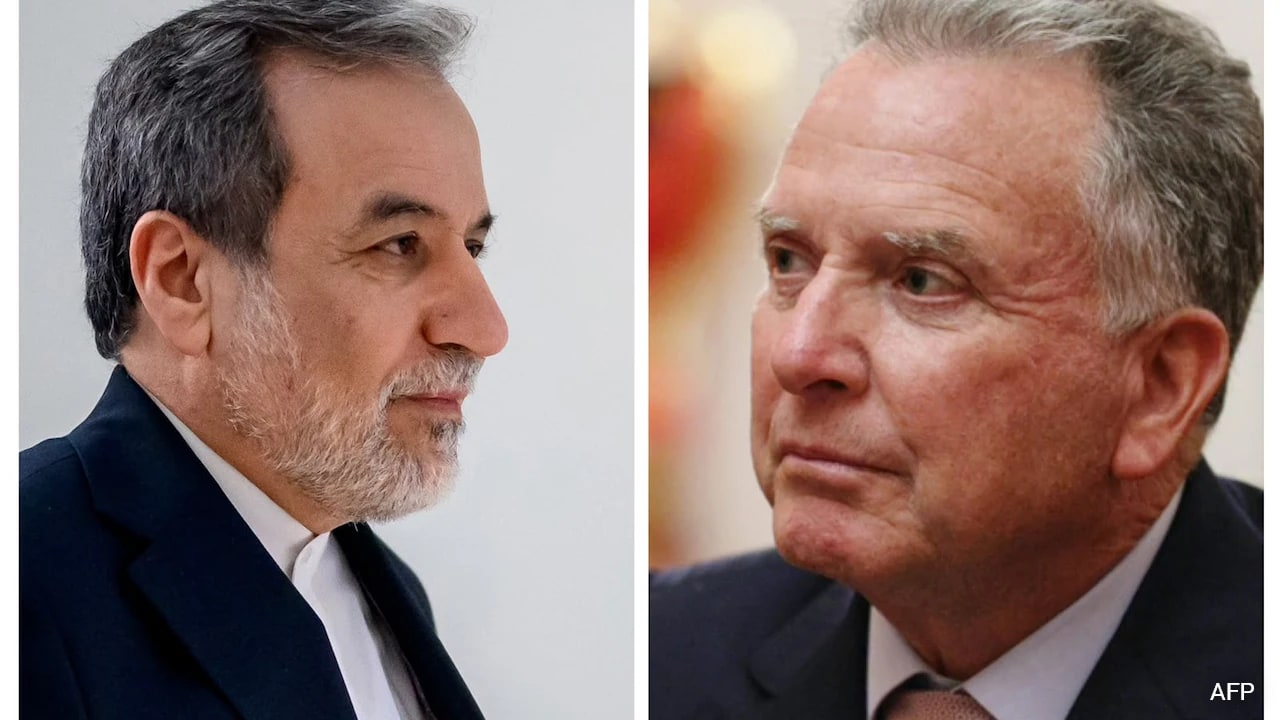
The chokepoint carrying twenty percent of global petroleum liquids remains a high-stakes bargaining chip as Iranian Foreign Minister Abbas Araghchi and United States Special Envoy Steve Witkoff manage a tense diplomatic high-wire act over the Strait of Hormuz. Behind the closed doors of backchannel talks, Tehran has laid out hard prerequisites for lifting restrictions on maritime traffic, demanding sweeping concessions that Washington and its regional allies find difficult to swallow. This standoff is not merely a regional dispute; it is a brutal test of economic endurance, naval power projection, and sanctions enforcement that exposes the fragility of global energy corridors.
To understand why the Strait of Hormuz remains effectively choked, one must look past the public posturing and examine the financial architecture driving Iran's strategy. When Western economic restrictions tighten around Tehran's energy exports, the security of the strait becomes an asymmetrical equalizer. Iranian officials have made it clear through intermediaries that any comprehensive reopening plan depends entirely on a rollback of aggressive naval blockades and financial isolation. Yet, Washington insists that any discussion regarding maritime transit must be coupled with strict limits on nuclear development, creating an unyielding diplomatic deadlock.
The human and financial toll of this impasse extends far beyond government ministries. Commercial shipping companies navigating the Persian Gulf face skyrocketing insurance premiums, while regional states dependent on liquefied natural gas exports watch spot markets fluctuate violently with every hint of escalation or compromise. Maritime insurers have categorized the zone as a high-risk operating environment, forcing carriers to weigh narrow profit margins against catastrophic hull losses. Meanwhile, shadow-fleet operators and independent brokers profit handsomely from the confusion, moving sanctioned barrels through alternative channels while political actors posture for domestic audiences.
Araghchi's engagement with Witkoff highlights the peculiar nature of modern crisis management, where bitter adversaries maintain continuous communication lines while simultaneously preparing for military escalation. Tehran's hardline factions view the closure not as a permanent state of war, but as a temporary utility to extract maximum economic relief before any long-term treaty is inked. On the other side, Washington's security apparatus is juggling pressure from European capitals desperate for lower energy prices against a domestic political mandate that treats any accommodation with Iran as a sign of weakness.
Resolving the crisis requires more than symbolic handshakes in neutral venues. The underlying mechanics of sanctions relief, verification protocols, and territorial sovereignty must be painstakingly negotiated under the glare of international scrutiny. Until both capitals find a bridge across their ideological gulf, the world's most vital energy corridor will remain hostage to political theater, keeping global markets on edge as tankers tread carefully through contested waters.