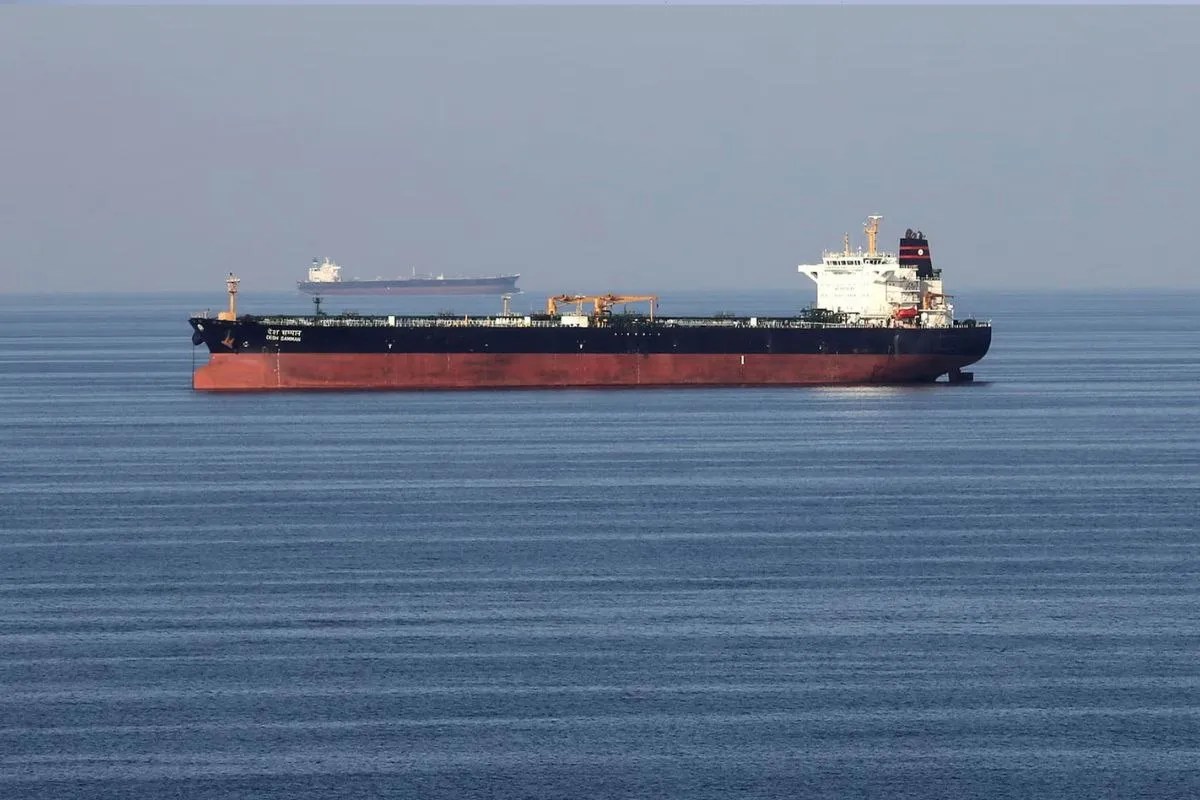
The Strait of Hormuz remains the single most critical choke point in global energy logistics. Every single day, a massive share of the world's petroleum supply passes through this narrow passage, rendering the global economy vulnerable to localized geopolitical friction. Washington and London are currently spearheading an international maritime security coalition in response to persistent disruptions threatening commercial shipping lanes.
Conferences in London aim to coordinate military escorts and intelligence sharing among allied naval forces. Yet the underlying architecture of this multilateral defense initiative reveals deeper strategic miscalculations about maritime protection in contested waters.
Protecting commercial vessels requires more than stationing warships at strategic waypoints. The economic anatomy of maritime transit makes total defense virtually impossible through conventional naval deployment alone.
The Structural Fragility of Global Choke Points
Geography dictates vulnerability. At its narrowest point, the Strait of Hormuz spans barely twenty-one miles wide, with inbound and outbound shipping lanes squeezed into a two-mile-wide corridor.
Tankers traversing this corridor operate like predictable clockwork. This lack of strategic depth turns commercial freighters into stationary targets for asymmetric threats such as low-cost drones, sea mines, and fast-attack craft.
Naval escorts provide psychological reassurance, but they cannot eliminate the baseline risk of sudden asymmetric strikes. Escort vessels function defensively. They react to threats rather than preventing adversaries from deploying cheap ordnance along vital trade routes.
Economics exacerbates this military dilemma. Commercial shipping operates on razor-thin margins. Delays cost millions, and insurance premiums skyrocket the moment a region enters active conflict status.
When underwriters reprice risk, the cost propagates immediately to petrol pumps worldwide. A naval coalition can protect a flag-bearing vessel from physical boarding, but it cannot insulate global markets from soaring insurance spikes and delayed delivery schedules.
Historical Precedent and Modern Asymmetry
History offers clear warnings regarding multilateral maritime coalitions. Past operations in the Persian Gulf demonstrate that safeguarding trade requires continuous, exhausting patrol commitments that strain naval budgets.
Modern adversaries have adapted by utilizing asymmetric warfare tactics that bypass traditional naval dominance. State and non-state actors deploy inexpensive surface drones and sophisticated anti-ship missiles that cost a fraction of the multi-billion-dollar destroyers sent to counter them.
This financial asymmetry creates a long-term sustainability crisis for coalition participants. Spending millions of dollars on interceptor missiles to shoot down low-end aerial drones is a losing economic proposition over an extended timeline.
London summit planners often overlook this cost-benefit imbalance. Diplomatic communiques emphasize unity and resolve, yet they rarely address the fiscal exhaustion facing naval fleets assigned to indefinite patrol duties in distant waters.
The Intelligence Sharing Dilemma
Multilateral coalitions rely heavily on shared intelligence to anticipate threats before they materialize. Sovereign nations guard their operational data jealously.
Sharing real-time radar tracks, satellite reconnaissance, and electronic intelligence requires deep trust and compatible secure communications infrastructure. Bureaucratic friction frequently delays actionable information from reaching the commanders on the ground.
By the time allied navies reconcile conflicting intelligence assessments, the fast-moving threat has often shifted location. Trust among coalition partners frays quickly when one nation perceives it is shouldering a disproportionate share of the risk while others withhold sensitive capabilities.
Diplomacy moves at a glacial pace, whereas maritime threats evolve over the course of hours. This structural mismatch undermines the foundational premise of emergency international task forces.
The Insurance Market Reality
Insurance companies dictate the practical reality of maritime trade far more than naval strategy documents. When underwriters declare a body of war risk waters, shipping lines face a stark choice.
They either pay extortionate premiums or reroute their vessels entirely around the African continent. Rerouting adds thousands of miles and weeks of transit time to voyages between the Middle East and European markets.
No naval coalition can fully suppress the anxiety of commercial underwriters. Even with heavy destroyer escorts nearby, the mere presence of regional hostilities triggers mandatory war risk surcharges.
Shipping conglomerates absorb these costs temporarily before passing them down the supply chain. Consequently, consumers experience inflation long before any physical shortage of crude oil actually materializes.
The security strategy currently being engineered in London attempts to solve a financial problem with military hardware. Guns and radar systems cannot force insurance corporations to lower risk ratings in an active geopolitical flashpoint.
Rethinking Deterrence in Contested Waters
Deterrence depends entirely on credibility. Adversaries must believe that the costs of disrupting shipping lanes heavily outweigh any potential political or strategic gains.
When coalitions assemble in response to immediate crises, they project a posture of reaction rather than proactive dominance. True strategic stability requires sustained, long-term naval posture that deters aggression before incidents occur.
Adversaries watch closely for signs of political fatigue among coalition members. Domestic political pressures in Western nations often limit the appetite for prolonged military entanglements abroad, signaling a potential exit strategy that hostile actors can exploit.
Short-term summits produce headlines, but long-term security requires structural resilience, diversified energy routes, and robust supply chain redundancies that minimize reliance on volatile geographic corridors.
The upcoming decisions made by naval planners and diplomats will determine whether commercial traffic moves safely or faces a new era of heightened friction. As fleets deploy to station, the fundamental vulnerability of global supply chains remains quietly unresolved beneath the surface.