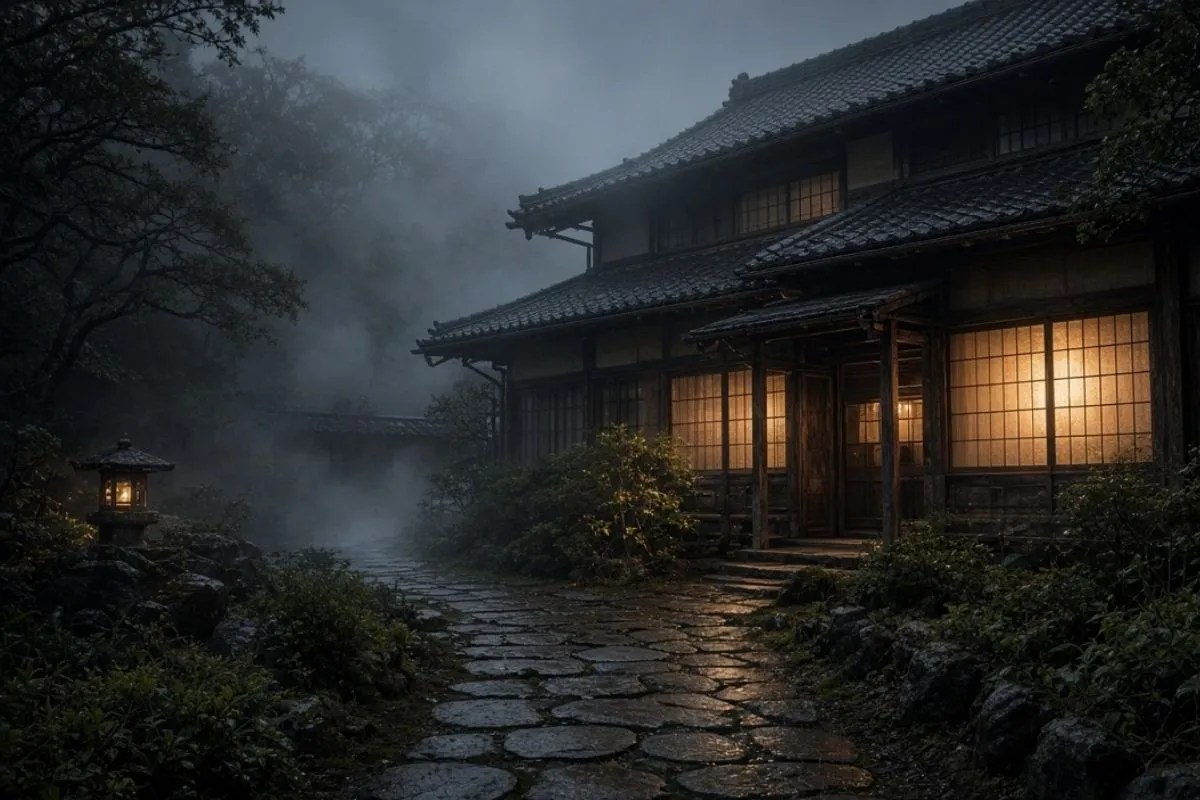
The physical structure stands completely sound, yet the price tag forces a double take. In a crowded real estate market where affordability has evaporated, a distinct tier of residential real estate offers steep discounts of thirty to fifty percent simply because someone died inside. These are the jiko bukken or stigmatized properties of Japan, homes burdened by suicide, homicide, or unattended natural deaths that require specialized biohazard cleaning. For decades, these locations remained untouchable assets, shunned by a superstitious public. Today, a severe housing crunch and a massive surplus of vacant structures are rewriting the rules of ownership.
Understanding this market requires looking past the ghost stories. Japan faces a profound demographic shift, featuring millions of abandoned houses known as akiya, coupled with an aging population where lonely deaths, or kodokushi, occur with increasing frequency. When an unobserved death happens, the residence instantly acquires a psychological defect, or shinriteki kashi. Japanese real estate law and strict Ministry guidelines mandate transparent disclosure of these events to prospective buyers and renters. Traditionally, this transparency meant properties sat vacant for years, draining owners of maintenance taxes while generating zero yield.
Market pressures change behavior quickly. As metropolitan housing prices surge and younger generations prioritize financial pragmatism over ancient taboos, these discounted assets are finding a new class of occupants.
The Economics of the Uncanny
The mathematical reality of a stigmatized home strips away the emotional weight very fast. Consider a hypothetical two-story suburban house located thirty minutes outside Osaka. Normally valued at twenty million yen, the property enters the market at ten million yen because a previous occupant passed away unattended weeks before discovery.
For an investor or a young family locked out of the traditional property ladder, that fifty percent markdown represents an opening. Renovation costs to strip out affected flooring, replace drywall, and conduct deep deodorization rarely match the massive upfront savings.
+-----------------------------------+-----------------------------------+
| Standard Property Metric          | Jiko Bukken Metric                |
+-----------------------------------+-----------------------------------+
| High entry barrier (Tokyo/Osaka)  | 30% to 50% initial price discount |
| Immediate local buyer interest    | Heavy reliance on external buyers |
| Strict three-year rental rules    | Mandatory background disclosures  |
+-----------------------------------+-----------------------------------+
The financial upside attracts foreign buyers who do not share the cultural aversions embedded in domestic Shinto and Buddhist traditions. Real estate agencies now actively package these listings for international purchasers looking for high rental yields. While a standard Tokyo apartment might net a modest three percent annual return, a thoroughly rehabilitated accident property can yield upwards of eight percent.
Legal Realities and Disclosure Boundaries
The government attempted to bring order to this murky sector by issuing formal disclosure guidelines. Real estate agents cannot simply sweep a tragedy under the rug. For rental properties, the obligation to inform tenants of an unnatural death or violent incident generally expires after three years, provided no subsequent tenant has lived there. For outright purchases, however, no strict time limit exists. If an event remains part of local consciousness or carries severe notoriety, sellers must disclose it indefinitely.
Failure to disclose triggers immediate legal consequences. Buyers can sue for contract cancellation, demand heavy damages, and strip agents of their operating licenses. This legal rigidity forces full transparency, protecting buyers from malicious concealment while establishing a standardized baseline for how these homes are traded.
Cultural Shifts Among Younger Generations
Superstition does not vanish overnight, but economic stagnation acts as a powerful solvent. Younger Japanese demographics, burdened by stagnant wages and high living costs, view ancestral anxieties as a luxury they cannot afford. Renting a spacious apartment for half the market rate simply because of a historical incident appeals to practical logic.
Specialized media personalities and cleaning enterprises have further normalized the discourse. Documentaries detailing the meticulous sanitization of accident homes turn the morbid into the mundane. By shining a literal light into dark corners, public perception is shifting from absolute revulsion to calculated indifference.
The stigma still lingers in rural tight-knit communities where neighbors remember every detail. In those regions, buying an accident property means navigating local social friction alongside physical renovations. Yet, as the number of empty homes climbs toward record heights, municipalities can no longer afford to let habitable structures rot away over ghosts of the past.
The market adapts because it must. Stigmatized real estate transforms from a cultural taboo into an essential valve releasing pressure on a strained housing ecosystem.