The death of a 28-year-old laboratory worker in Siberia triggered an immediate defensive crouch from Moscow, a flurry of hurried diplomatic queries, and a familiar, chilling reminder of the opaque boundary between state-managed science and global biosecurity. When Darya Shipilova entered a hospital in Shelekhov near Irkutsk on September 29 with an aggressive, suffocating pneumonia, she did not merely succumb to a rapid illness. She inadvertently exposed the fragile architecture of international pathogen transparency. Within forty-eight hours, she was dead. Within a week, nearly two hundred contacts had been swept into quarantine, local officials were publicly contradicting one another over the cause, and the World Health Organization was left playing international detective via media reports.
To understand why a single fatality in southern Siberia commands the anxious attention of epidemiologists worldwide, one must examine the institutional pedigree of the facility involved. The Irkutsk Anti-Plague Research Institute of Siberia and the Far East is not a sleepy provincial clinic. Founded in 1934, it belongs to a specialized Soviet-legacy network of institutions engineered to monitor, isolate, and weaponize or defend against Earth's most lethal biological agents, primarily Yersinia pestis—the bacterium responsible for the plague. These facilities possess deep historical competence. They also operate behind a curtain of bureaucratic defensiveness that has thickened considerably since geopolitical ruptures severed standard channels of academic and technical exchange between Russian researchers and Western institutions.
When the news broke, the initial official posture from Russia's health watchdog, Rospotrebnadzor, was predictable. Officials instituted anti-epidemic protocols, quarantined hospital wings, and monitored roughly two hundred individuals who crossed paths with the victim. Yet, information leaked through regional independent outlets and regional political figures before federal authorities got their story straight. Alexei Tsydenov, the head of the neighboring republic of Buryatia, openly stated that the researcher had died from an unspecified form of plague. Meanwhile, federal spokespeople demurred, labeling it an ambiguous "pneumonia of undetermined etiology".
This semantic scramble is a recurring symptom of a structural vulnerability. In the calculus of state-run biosecurity, admitting to a natural zoonotic spillover from local wildlife—such as a marmot or rodent carrying fleas in the Siberian steppe—is acceptable, even routine. But a suspected laboratory acquisition, a breach in containment, or an accidental exposure during the handling of high-threat pathogens represents an institutional failure of catastrophic public relations dimensions. It invites foreign oversight, questions regarding facility safety culture, and accusations of negligence.
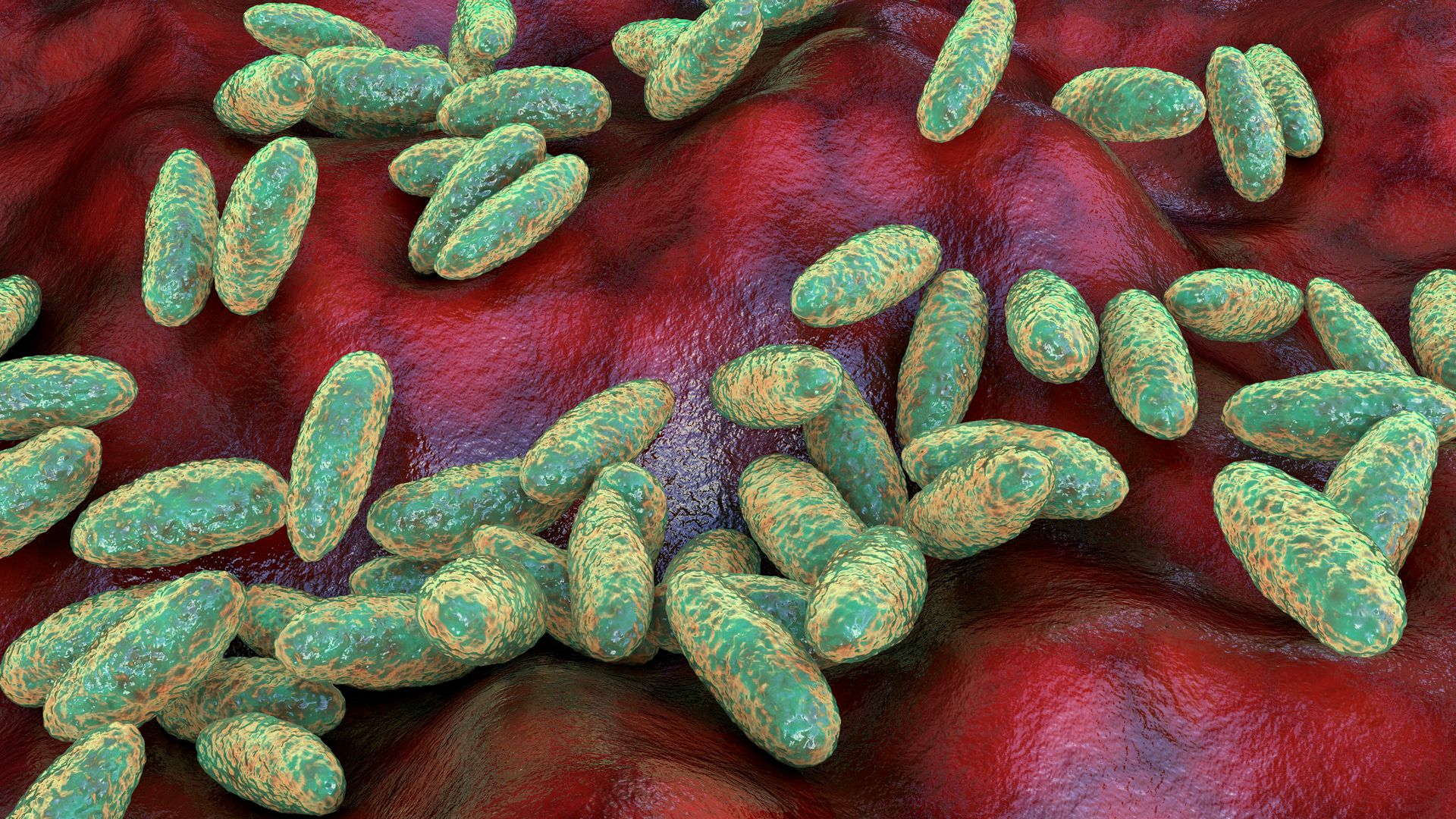
Pneumonic plague occupies a terrifying niche in the catalog of human pathogens for a specific biological reason. While bubonic plague relies on the bite of an infected flea, and septicaemic plague enters through the bloodstream, pneumonic plague takes root directly in the respiratory tract. It is intensely contagious via airborne droplets, boasts an incubation period as brief as twenty-four to seventy-two hours, and carries a near-certain mortality rate if broad-spectrum antibiotics are not administered within the first window of symptom onset. A worker handling aerosolized strains in a high-containment facility faces occupational hazards that leave zero margin for error.
The subsequent intervention by the World Health Organization highlighted the limits of global health governance in an era of fractured diplomacy. Moscow eventually reported to Geneva that diagnostic tests for high-threat pathogens across the deceased worker and her monitored contacts returned negative, insisting no biosecurity accident occurred. Yet independent global health analysts noted a glaring gap: the absence of transparent genomic sequencing data made independently verifiable conclusions impossible. When a nation treats routine epidemiological data as a state secret, it breeds an environment where worst-case assumptions fill the vacuum.
This incident is not an isolated anomaly; it sits downstream of a long, troubled lineage of biological secrecy in the region. Decades ago, an accidental release of anthrax spores from a military facility in Sverdlovsk killed dozens, while Soviet authorities blamed tainted meat on the black market for over a decade before political shifts forced an admission of military culpability. While modern Russia is not the Soviet Union, the institutional reflex to manage the narrative at the expense of transparent data remains deeply embedded.
Natural reservoirs of Yersinia pestis persist across vast stretches of Central Asia, Siberia, and even parts of the American West. Small mammals and wild rodents maintain the cycle endlessly. Isolated human cases acquired from the wild are historical background noise to public health officials who understand the ecology of the steppe. But when a researcher inside a dedicated anti-plague laboratory drops dead of acute respiratory failure, the event shifts from an ecological footnote to a stress test for institutional honesty.
The quarantine lines in Irkutsk have stabilized, and medical workers have successfully kept secondary infections from materializing among the monitored contacts. The immediate panic has subsided into the quiet hum of bureaucratic containment. Yet the fundamental hazard remains unaddressed. As long as high-containment laboratories handling ancient, lethal pathogens operate behind walls of geopolitical hostility and state-enforced silence, the world will remain perpetually vulnerable to emergencies where the greatest threat is not the microbe itself, but the opacity of the system watching it.