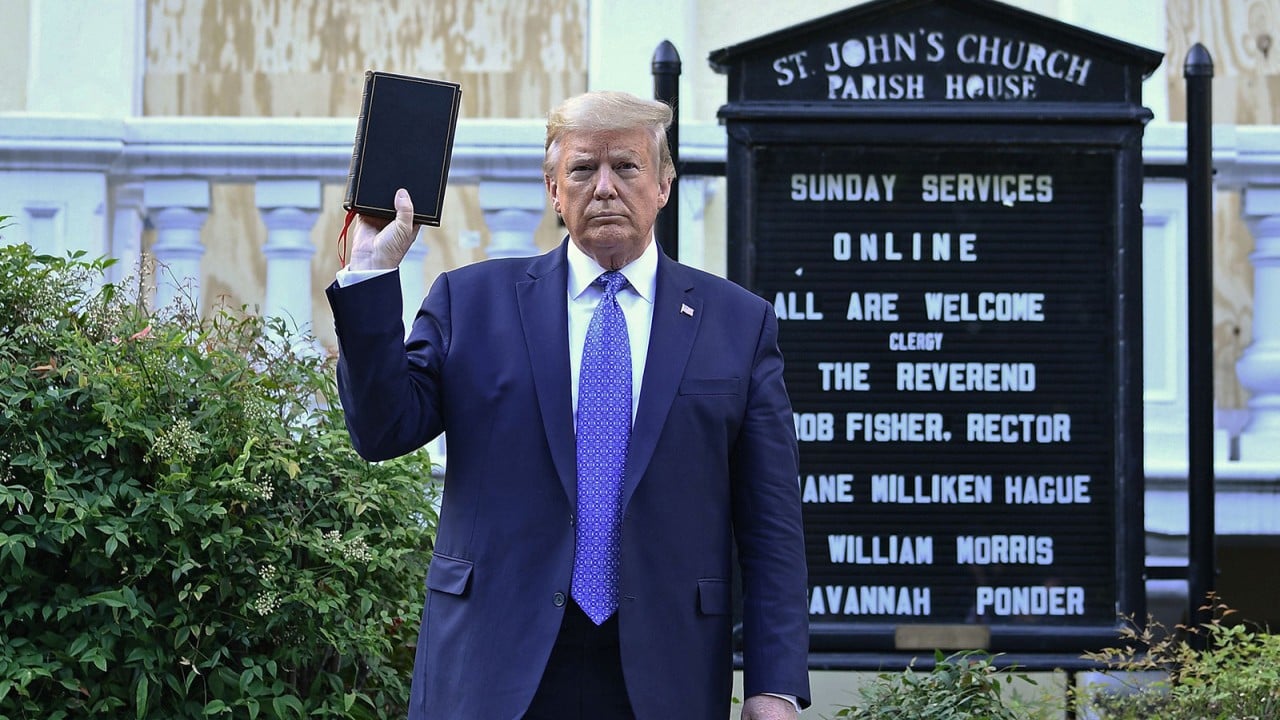
The pulpits are changing. Dozens of mainline Protestant and Catholic faith leaders are launching campaigns for the 2026 midterm elections to directly challenge the political monopoly on religious voters. These clergy candidates are entering partisan races in traditional swing states and deep-red districts, aiming to dismantle the narrative that faithful Americans must vote for the conservative ticket. They represent a shifting political calculation. For decades, white progressive clergy largely avoided the electoral mud, leaving partisan political organization to the religious right while focusing their efforts on local charity or quiet pastoral care. Now, they are running for office because they believe the alternative is the complete erosion of democratic institutions under the guise of holy mandate.
This movement represents a calculated strategic counterweight. Activists from groups like Catholics Vote Common Good and local Protestant coalitions are setting up ground operations in competitive congressional districts, deliberately targeting regions where religious voters make up a significant portion of the electorate. They are not asking voters to abandon their faith. Instead, they are attempting to reclaim biblical text to advocate for economic equity, immigrant protections, and the preservation of democratic norms.
The Strategy Behind the Vestments
The political right spent fifty years building a well-funded machine that links evangelical identity with partisan loyalty. This machine operates through megachurches, media networks, and campus organizations that turn out millions of voters by framing every election as an existential spiritual war.
Progressive clergy are trying to construct a parallel track. By putting ordained ministers on the ballot as Democrats in states like Iowa, Texas, and Pennsylvania, the party hopes to neutralize the moral attacks that have long crippled liberal candidates in rural communities. A white woman pastor running as a Democrat in a conservative farming community changes the visual dynamic of a campaign. She cannot be easily dismissed as a secular coastal elitist who hates traditional values when she spends her Sundays distributing communion and comfort to the same community.
This approach targets a specific voter vulnerability. Many moderate believers feel alienated by the aggressive rhetoric of the modern conservative movement but remain hesitant to vote for secular progressives. Clergy candidates provide these voters with a permission structure to split their tickets. By using familiar theological language to justify progressive policy positions, these candidates attempt to remove the stigma of voting against the conservative consensus.
The Fractured Frontlines of Religious Mobilization
The mobilization is exposing deep theological and tactical rifts within the American church system. Conservative institutions are responding with intense institutional pressure. In Texas, the political stakes are rising as Christian nationalist figures seek to consolidate their grip on election machinery ahead of the vote. Conservative organizations frame the upcoming midterms as a battle against spiritual darkness, using minority rule tactics and systemic pressure to marginalize dissenters.
Progressive faith organizers face structural hurdles that cannot be solved by moral clarity alone.
- Progressive churches are structurally decentralized, making it incredibly difficult to coordinate national fundraising campaigns or match the disciplined voter-turnout operations of conservative networks.
- Internal debates over partisan purity frequently stall progressive initiatives, whereas conservative coalitions often overlook individual character flaws in pursuit of judicial and legislative power.
- Decades of institutional decline within mainline denominations mean these pastors are often speaking to shrinking, older congregations that lack the financial clout of modern megachurches.
The financial disparity remains vast. While progressive faith groups rely on grassroots donations and local postcard campaigns, conservative religious organizations benefit from massive networks of wealthy donors who view spiritual renewal as an economic lever. This funding allows conservative operations to deploy rolling billboards, digital media campaigns, and permanent field staff that operate year-round, not just during the final weeks of a campaign cycle.
A High Stakes Mathematical Gamble
The success of this religious rebellion depends entirely on slim margins in specific geographic pockets. Organizers are focusing their resources on roughly three dozen congressional districts where the Catholic or mainline Protestant vote sits above twenty percent.
Consider a hypothetical example where an industrial district is decided by fewer than three thousand votes. If a clergy candidate can convince just five percent of churchgoing moderates that voting for a Democrat is consistent with their moral values, the entire balance of power shifts. It is a game of subtraction rather than addition. The goal is not necessarily to turn conservative evangelicals into progressives, but to erode the margins that conservative strategists rely on to win competitive states.
This math is complicated by a legacy of partisan alignment. For generations, the Democratic establishment viewed overt expressions of faith with suspicion, preferring a strictly secular public square that occasionally alienated religious working-class voters. Rebuilding that trust requires more than a few campaign speeches in front of a church choir. It requires a sustained presence in communities where the local church remains the only functional social safety net left.
The Direct Challenge to Spiritual Authority
The real battle is over who has the right to define the moral center of the nation. Conservative leaders have successfully conditioned large segments of the population to believe that a true Christian must support specific economic and social platforms. Progressive clergy are attempting to break this conditioning by using the same scriptures to argue for the exact opposite conclusions.
They point to biblical mandates regarding the poor, the immigrant, and the vulnerable as the true metric of a society's spiritual health. This rhetorical pivot forces conservative candidates onto the defensive, forcing them to justify policy decisions that directly conflict with traditional teachings on charity and community care. Whether this strategy can overcome decades of political conditioning remains the defining question of the current electoral cycle. The outcome will determine if the religious right maintains its exclusive claim on American faith, or if a new generation of politically active clergy can successfully reclaim the pulpit for the left.