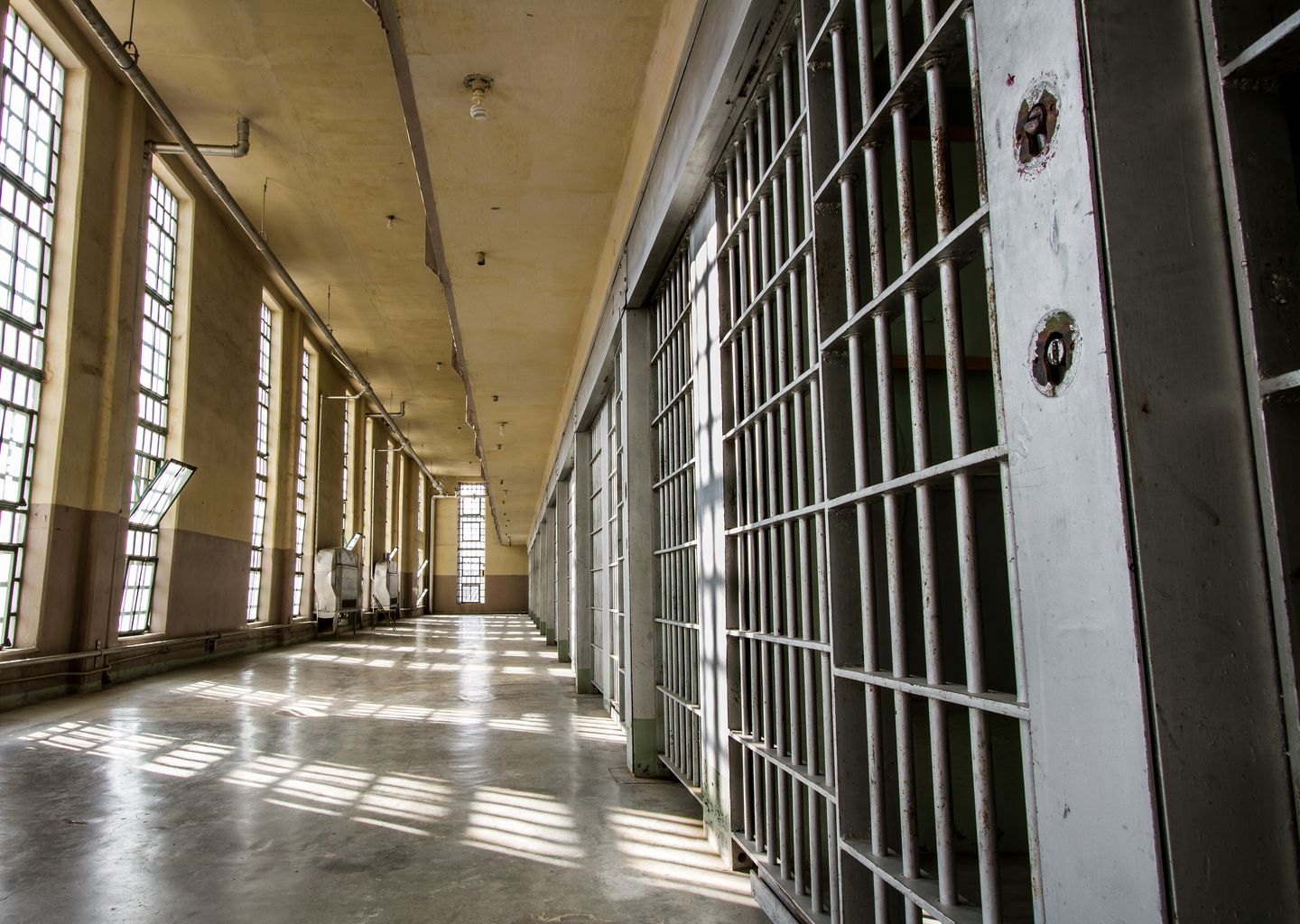
The clash between Pooh Shiesty and federal authorities over incarceration conditions boils down to a sharp conflict between a prisoner's grievances and the government's pushback over access to entertainment. According to reports on the dispute, the rapper has raised complaints regarding his treatment behind bars while federal officials have countered by pointing to amenities still available to him, including Netflix and other forms of media.
Stories like this move fast in hip-hop and entertainment media. A headline lands, fans pick sides, and the comment sections fill up with heat. After covering courtrooms, labels, and corrections beats for years, I have learned that the loudest part of a dispute rarely tells the full story. When an artist with name recognition complains about conditions and prosecutors or prison officials push back with a list of perks, both sides are trying to shape how the public sees custody, leverage, and accountability. Recently making headlines recently: Why Everyone Has the Meghan and Thomas Markle Story Completely Backward.
Why Entertainment Access Becomes a Flashpoint
Public fights over what inmates can watch, hear, or download are nothing new. They flare up whenever a high-profile defendant or convict challenges day-to-day confinement. To an outside observer, streaming shows and harsh conditions can sound like a contradiction. If someone has access to Netflix or other media, critics ask how bad things can really be.
Prison life does not work on a simple scale of misery versus comfort. A tablet or a television screen inside a facility exists inside a tightly controlled environment where movement, privacy, silence, and routine are dictated by staff and policy. Access to a show does not erase lockdown schedules, restricted yard time, or tension between inmates and guards. Additional information into this topic are covered by Reuters.
At the same time, federal authorities have their own reasons for bringing up amenities when an inmate or legal team complains publicly. Wardens, Bureau of Prisons spokespeople, and government lawyers operate under intense scrutiny over cost, security, and alleged favoritism toward wealthy or famous detainees. Highlighting available entertainment serves a practical purpose for the government. It signals that the facility is providing baseline services and that claims of total deprivation overstate reality.
Consider a hypothetical example involving a well-known artist held in a federal facility. Suppose the detainee's camp files complaints about confinement conditions while the facility notes that approved tablets offer movies, music, and messaging. Both statements can be partly true at the same time. The screen is there, yet the walls, rules, and loss of autonomy remain untouched.
The Mechanics of Modern Custodial Media
Modern incarceration looks very different from the stereotypes built by older television dramas. Over the past two decades, corrections systems have steadily moved communication, commissary requests, educational modules, and entertainment onto secure tablets and closed networks. What used to require a physical letter, a payphone line, or a bulky television set now often runs through contracted vendors.
Closed-network tablets have become central to daily life in many facilities. Rather than giving inmates open internet access, these devices typically run curated software approved by administrators and vendors. Content may include movies, television episodes, music tracks, podcasts, e-books, or games, often priced per minute, per download, or through subscription-style arrangements.
- Content curation and filtering allow administrators to block material deemed a security risk, violent, or inappropriate for institutional order.
- Fee structures and accounts mean access is often tied to funds in an inmate's account, family contributions, or specific facility rules.
- Privileges and revocation give staff a tool to reward compliance or punish infractions by restricting device use.
None of this happens by accident. Contracting with telecom and media providers is big business in corrections. Vendors pitch these systems as tools that reduce contraband, keep inmates occupied, and generate revenue or operational relief. Critics, by contrast, sometimes argue that charging for basic connection or entertainment turns captivity into another commercial market.
When federal officials point to Netflix or other entertainment in response to complaints from Pooh Shiesty, they are referencing an ecosystem that confuses many outsiders. People hear "Netflix" and picture a couch at home with unlimited choice and zero supervision. Inside a custodial setting, media access is filtered, scheduled, and subject to rules that have nothing to do with consumer convenience.
Leverage, Optics, and Celebrity in Custody
Famous defendants and incarcerated artists occupy a strange middle ground in the justice system. They do not get a pass on custody, yet their names carry weight that ordinary inmates lack. A grievance from an unknown prisoner might never leave the facility grievance box. A complaint from Pooh Shiesty travels across timelines within minutes.
That visibility cuts both ways. Public pressure can shine a spotlight on genuine mistreatment, medical delays, or overly harsh housing that might otherwise go unnoticed. It can also trigger pushback from authorities who want to prevent a narrative of unfairness or special treatment from taking hold.
Public optics matter deeply in high-profile cases. Legal teams know that media coverage shapes public sentiment, fan loyalty, and sometimes the broader conversation around a case. Prosecutors and correctional officials know it too. When a celebrity's camp frames confinement as intolerable, officials often respond with concrete details about available programs or entertainment to project order and fairness.
What Gets Lost in the Headline Wars
Headline battles flatten complicated realities into two camps. One side portrays an inmate being ground down behind bars. The other portrays a prisoner complaining despite having access to entertainment that plenty of working people pay for out of pocket.
Neither caricature captures the full picture. Custody is defined first and foremost by loss of liberty. Where you sleep, when you eat, who you see, and how much control you have over your hour-to-hour existence are all restricted. Entertainment can pass time or offer a brief mental escape, but it does not restore freedom or erase institutional friction.
Conversely, dismissing every complaint out of hand because a facility offers media access is lazy analysis. Even where entertainment options exist, inmates can still face real issues with housing, staff interactions, disciplinary measures, or daily routines. Evaluating conditions requires looking at specific policies, timelines, and documented facts rather than trading soundbites.
Comparing the Competing Narratives
To make sense of disputes like the one surrounding Pooh Shiesty, it helps to separate the emotional arguments from the practical mechanics on the ground. Fans often react to loyalty and sympathy for an artist they follow. Skeptics often react to frustration over crime, accountability, or perceived perks.
| Angle of the Dispute | What Proponents of That View Emphasize | What That View Often Overlooks |
|---|---|---|
| Inmate Grievances | Focuses on day-to-day hardship, restrictions, and personal experience in custody | Can overlook baseline services, security rules, or institutional context |
| Federal Pushback | Highlights available amenities like Netflix and other media to counter claims of severe deprivation | Can downplay the limits of supervised, controlled custodial environments |
| Public Commentary | Reacts quickly to bold claims and viral clips | Often lacks full procedural context, facility rules, or verified records |
Looking at the table makes one pattern obvious. Each side highlights facts that support its framing while leaving out details that complicate it. That is standard operating procedure in high-profile controversies, whether the setting is a courtroom, a label boardroom, or a correctional facility.
Why Hip-Hop and Corrections Collide So Often
The intersection of rap culture and the carceral system is long-standing, painful, and commercially entangled. For decades, artists have written about arrests, lockups, trials, and life behind walls, while audiences have followed their legal battles almost like serialized dramas. A rapper's incarceration is rarely just a legal event; it becomes a cultural storyline.
Because hip-hop relies heavily on authenticity, personal narrative, and real-time connection with listeners, updates from inside carry immediate weight. When an artist speaks out about conditions, listeners hear a voice from inside a system many communities view with deep skepticism. When federal authorities counter with details about access to Netflix and other entertainment, they are speaking from an institutional standpoint built around rules, order, and official records.
There is also a generational shift in how these stories unfold. Decades ago, information from inside took longer to surface, and official responses were slower and more formal. Today, legal filings, statements, interviews, and social posts collide almost instantly, turning routine administrative disputes into national talking points.
Gray Areas That Refuse Easy Answers
Anyone claiming this issue is black and white is selling simplicity. Even seasoned observers run into gray areas when weighing complaints about prison conditions against evidence of available entertainment.
One gray area involves proportionality and standards. What counts as acceptable conditions in federal custody is governed by law, regulation, and court precedent, not by how comfortable a living room looks on the outside. At the same time, taxpayers and families of other inmates sometimes question how resources, privileges, and rules are applied across different detainees.
Another gray area involves verification. Claims made in public statements or media reports do not always carry the same weight as sworn court filings, official logs, or independent reviews. Until specific facts are tested or documented clearly, observers have to hold two possibilities in mind at once: real grievances can exist alongside real amenities.
Practical Ways to Read Future Updates
When disputes between incarcerated artists and federal authorities resurface, you do not have to get pulled into the loudest spin. A few habits help separate signal from noise.
- Check the source of the claim to see whether a statement comes from an attorney, a family member, an inmate account, a media report, or a government spokesperson.
- Separate amenities from conditions by remembering that access to Netflix or other entertainment addresses leisure options, not every aspect of daily custody.
- Watch for official records such as court dockets, motions, or formal responses that lay out specific dates, rules, and allegations.
- Resist instant verdicts when early reports conflict, especially when both sides have clear incentives to protect their image.
Stories involving Pooh Shiesty and federal authorities will keep drawing clicks because they sit right at the crossroads of fame, law enforcement, and public opinion. Treat the headlines as a starting point, look past the loudest talking points, and judge every new detail against the actual rules and records behind the walls.