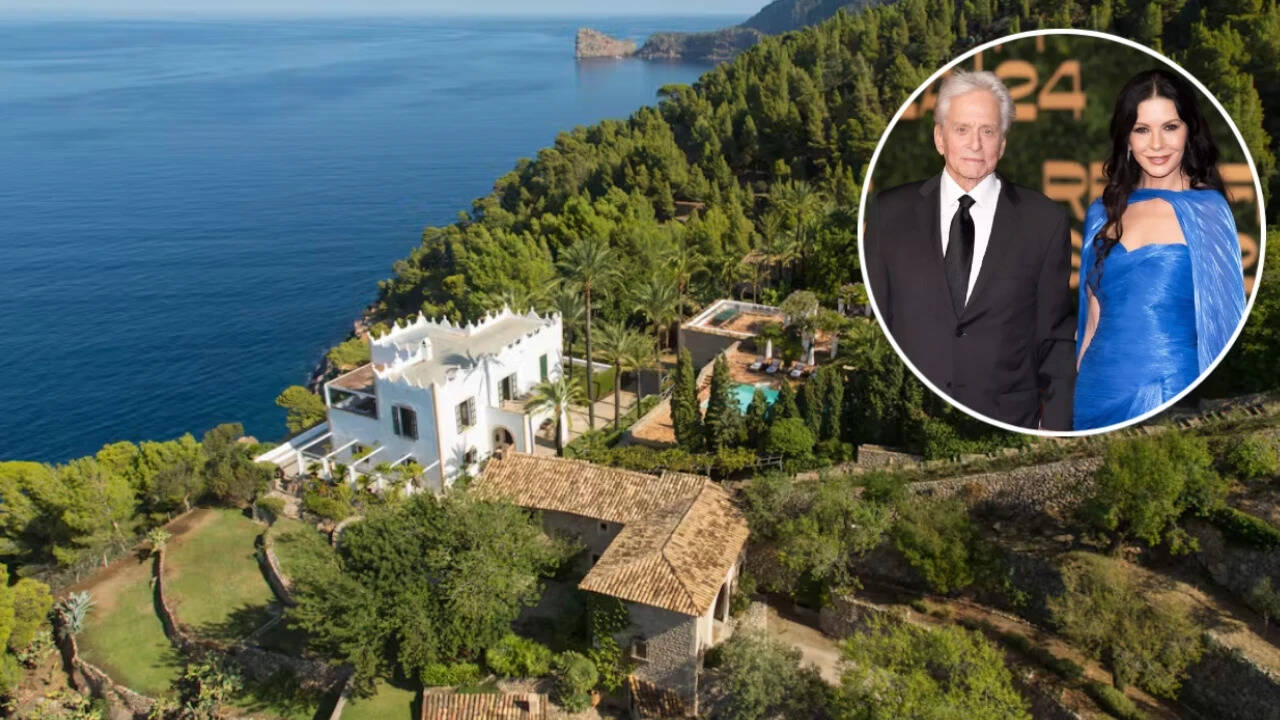
A former Palm Beach mansion once associated with John Lennon and Yoko Ono has climbed from a $725,000 purchase price to a $36 million valuation, driven by scarce coastal land, ultra-wealthy migration to South Florida, and celebrity provenance. Yet the real story behind that jump is not a single lucky real estate flip. It is a four-decade collision of shifting tax laws, changing architectural expectations, and the quiet financial engineering of trophy estates.
After covering high-end property markets for more than twenty years, I have learned to treat headline price leaps with healthy skepticism. A number like $36 million sounds dramatic on a real estate listing. When you strip away the glamour and look at carrying costs, renovation budgets, and municipal rules, the math looks much more complicated. Don't miss our previous post on this related article.
Why Celebrity Provenance Moves Prices in South Florida
Famous former owners do not automatically guarantee a windfall. They create attention. In a market crowded with newly built stucco-and-glass compounds, an estate tied to a cultural icon gives brokers a narrative that ordinary square footage cannot match.
Buyers at the top of the market rarely shop strictly on replacement cost. They shop on identity, exclusivity, and story. Knowing that John Lennon and Yoko Ono once had ties to a property on the barrier island adds a layer of cultural memory that appeals to buyers who already own multiple homes and care deeply about bragging rights. If you want more about the background of this, The Motley Fool offers an excellent summary.
Still, provenance has a shelf life. If a house sits dark, suffers from deferred maintenance, or feels dated to modern tastes, famous history becomes a footnote rather than a premium. The buyers willing to pay eight figures usually want turnkey privacy, hurricane-resilient construction, and deep security, not a museum piece that leaks during August squalls.
A famous name gets a buyer through the gate. Condition, land size, and privacy decide whether they write the check.
Consider a hypothetical example to see how provenance interacts with actual dirt. Suppose two neighboring parcels sit on similar lots, one with a notable music-world backstory and one without. Over a decade, a well-located parcel without fame might still appreciate steadily because coastal land cannot be manufactured. The famous property may command a sharper spike when marketed to a specific collector, though its ultimate ceiling still answers to comparable sales on the island.
The Math Behind a $725,000 to $36 Million Jump
Turning $725,000 into $36 million is nearly a fiftyfold increase. Anyone who has watched South Florida real estate over the past several decades knows that number reflects far more than passive holding.
Land Scarcity and Barrier Island Limits
Palm Beach is a narrow strip of land hemmed in by the Atlantic Ocean on one side and the Lake Worth Lagoon on the other. Strict zoning, historic preservation rules, and finite oceanfront or near-oceanfront lots put a hard ceiling on new supply.
When demand rises faster than buildable dirt, land values do the heavy lifting. A price tag that looked steep generations ago can look modest once a single acre on the island trades for tens of millions of dollars.
Capital Improvements and Hidden Carrying Costs
Headline appreciation often masks the cash poured into a property along the way. Keeping a grand estate in top shape in a salt-air, high-humidity climate is an expensive slog.
Roofing, exterior coatings, landscaping, plumbing, and storm upgrades add up fast. Property taxes and insurance premiums in coastal Florida have also climbed sharply over the years, turning ownership into an ongoing financial commitment rather than a free ride.
Wealth Migration and Tax Arbitrage
A major wave of high-net-worth buyers has shifted time and residency toward Florida in recent years, drawn by state income tax rules, flight connectivity, and winter weather. That influx has pushed trophy prices higher across the board, pulling older estates upward alongside newly constructed megamansions.
| Factor | How It Shapes Value | Practical Reality for Buyers |
|---|---|---|
| Celebrity Provenance | Boosts visibility and emotional appeal | Helps attract niche buyers, but fades if condition lags |
| Lot Scarcity | Caps supply on a narrow barrier island | Anchors long-term land value through cycles |
| Renovation and Upkeep | Modernizes layouts and storm protection | Consumes massive cash that narrows net profit |
| Tax and Migration Trends | Expands the pool of ultra-wealthy buyers | Lifts top-end comps, though higher rates test pricing |
What Most Coverage Misses About Trophy Estates
Most real estate reporting treats a soaring valuation like a scoreboard. Up means winning. Down means losing.
In reality, asking prices and list valuations are opening bids in a negotiation, not guaranteed cash in the bank. High-end properties frequently sit on the market for months—or longer—waiting for the right buyer who shares the seller's vision of value.
Liquidity risk is another factor glossed over in glossy summaries. A $36 million home is not a liquid stock you can sell on a Tuesday afternoon. Finding a buyer with that kind of purchasing power who also wants that exact location, lot layout, and architectural style takes patience, skilled representation, and sometimes a serious price cut.
There is also a tension between historic character and modern luxury. Buyers love the romance of an older estate until they walk into a cramped kitchen, low ceilings, or an older floor plan. Tearing down or heavily reworking a structure to suit contemporary tastes can eat up millions before a single guest moves in.
How to Read Luxury Real Estate Headlines Without Getting Burned
If you follow celebrity or luxury real estate, start by separating land value from structure value and story value. A jaw-dropping price increase usually depends on at least two of those three moving in the same direction at once.
Look closely at whether a figure is a closed sale or a valuation estimate. Closed comps tell you what actual cash changed hands; valuations and asking prices tell you what someone hopes to get.
Watch the carrying costs as closely as the headline price. Even when a Palm Beach mansion commands $36 million on paper, real wealth in coastal real estate belongs to the owner who accounts for taxes, insurance, maintenance, and exit timing before celebrating the spread.