Pakistan’s textile exports are trapped in a structural vise as soaring energy tariffs, a shrinking domestic cotton harvest, and Middle East shipping shocks squeeze profit margins and erode global market share. Despite generating roughly $18 billion in FY2025-26 and accounting for around 60% of national export earnings, the sector’s growth has nearly stalled.
Surface-level reporting treats this squeeze as bad luck. A mix of high inflation, external shocks, and tough global rivals. That reading misses the deeper rot.
When an industry that employs roughly 40% of the labor force barely inches forward by 0.3% over a full fiscal year, external shocks are only half the story. The other half sits inside factory ledgers, agricultural policy failures, and a stubborn addiction to low-margin commodities that leaves mills exposed every time costs spike.
Why Energy Costs Turned Mills Into High-Risk Bets
Spinning, weaving, and wet processing are energy-hungry operations. In Pakistan, power and gas pricing have shifted from a policy advantage to a margin killer.
During the years when industrial power and gas tariffs were kept closer to regional peers, mills expanded capacity and posted strong export numbers. Once fiscal stabilization took over and subsidies or preferential rates were rolled back or repriced upward, industrial users faced steep electricity and gas bills alongside unreliable supply.
Energy volatility does more than raise the cost per kilowatt-hour. It wrecks production planning.
If a spinning mill or dyeing unit cannot count on steady power or adequate gas pressure, machinery runs below optimal load. Fixed overhead spreads across fewer finished kilograms or meters. Buyers in Europe and North America rarely care why a shipment slipped; they care whether delivery windows hold.
There is a counter-argument that deserves a fair hearing. Keeping artificially cheap industrial energy alive can strain public finances and distort resource allocation if losses are simply dumped onto taxpayers or the wider power grid. Yet taxing an export engine out of competitiveness shrinks the foreign exchange pool the economy depends on to stay afloat. That trade-off is real, and pretending it is painless is dishonest.
The Shrinking Cotton Base Beneath the Looms
For decades, a strong domestic cotton crop gave Pakistani mills a built-in cushion. That cushion has thinned dramatically.
Cotton production dropped to roughly 5.5 million bales, marking a three-decade low. When local output falls short, mills must buy imported fiber, driving up raw material bills and exposing working capital to currency and global price swings. During FY2024-25, spending on cotton imports jumped by 54.9%, illustrating how quickly an agricultural shortfall turns into an industrial cash crunch.
(Hypothetical example: Suppose a mid-sized spinning and weaving mill plans a six-month production run assuming half its lint comes from local growers at a predictable discount to imported bales. If a poor harvest forces it to source more cotton from abroad at higher landed prices, its working capital requirement rises before a single garment leaves the port.)
Why did domestic output slip so badly? Seed quality, pest pressure, shifting farmer economics toward rival crops, and erratic weather all play a role. Fixing textile exports without fixing farm yields is like trying to fill a bucket with a hole in the bottom.
Regional Conflicts and Shipping Shocks Rewrite Lead Times
Geography used to favor Pakistan’s maritime trade routes. In periods of regional tension and Middle East shipping disruptions, freight rates and transit risks can spike with little warning.
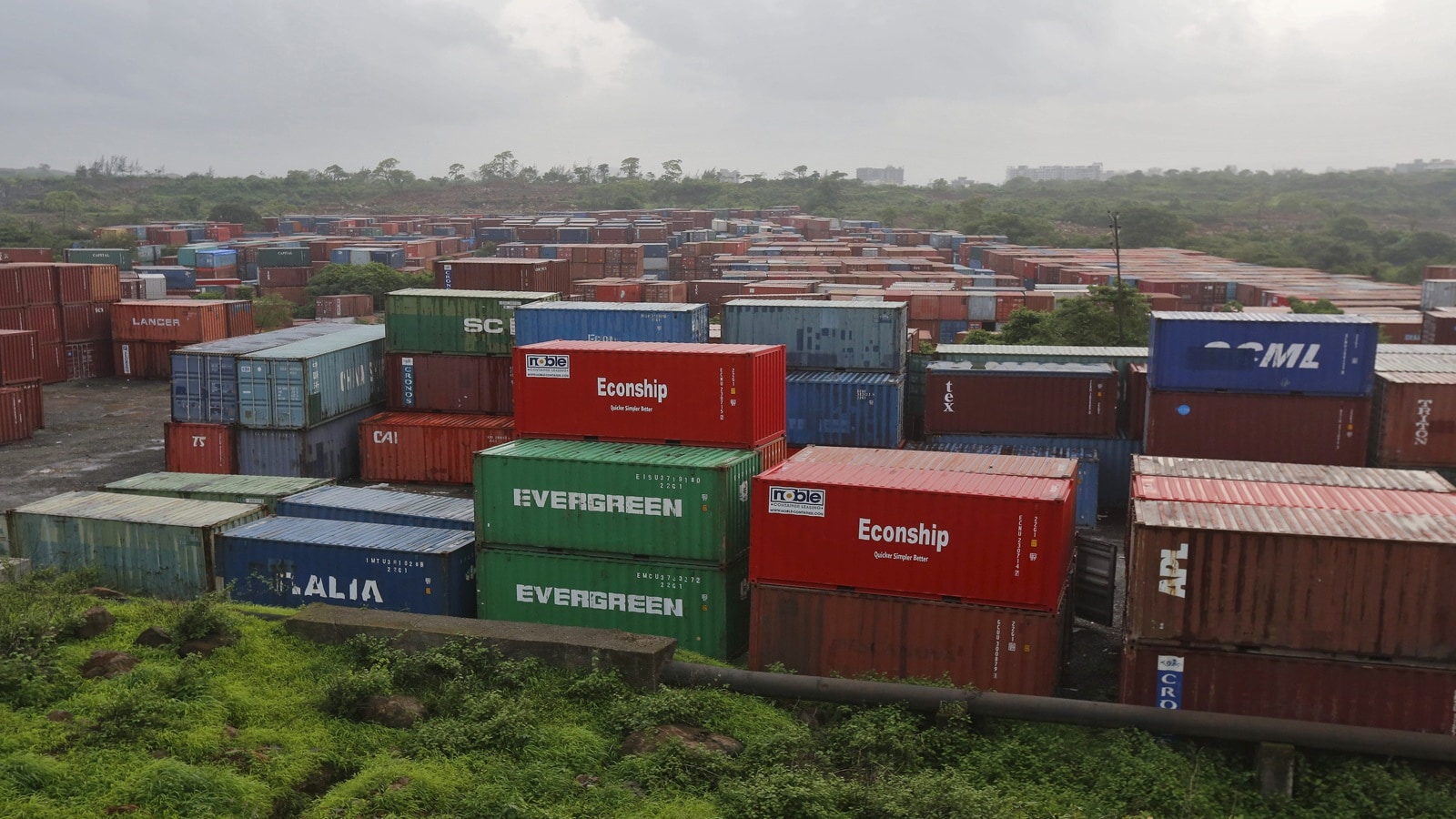
Industry reports have pointed to freight jumps reaching as high as 350% amid Middle East shipping disruptions, threatening delivery schedules and prompting warnings that overseas buyers could delay or reroute orders. Even when ocean rates cool from peak spikes, unpredictability remains costly.
Apparel and home textile buyers operate on tight seasonal calendars. If shipping lanes face rerouting or longer transit times, retailers face a hard choice: pay more for faster transport, accept late arrivals that miss peak shelf windows, or shift volume to competing suppliers perceived as steadier.
Proposals to lean harder on state-backed shipping capacity, such as expanding the role of the Pakistan National Shipping Corporation, reflect how acute logistics anxiety has become. Still, state shipping fleets rarely solve structural freight bottlenecks overnight, and commercial buyers judge reliability by consistent port-to-door performance.
The Commodity Trap That Keeps Margins Thin
Costs and conflicts hurt most because Pakistan remains heavily weighted toward lower-value-added products. Yarn, greige and basic fabrics, and standard home textiles still make up too much of the export mix compared with higher-margin branded apparel and technical textiles.
Commodity textiles are a brutal business. Margins are thin, price competition is ruthless, and a few cents per yard or a bump in financing and tax costs can wipe out profitability.
Rivals such as Bangladesh, India, and Vietnam have pushed hard on scale, specialized apparel, or trade access. Meanwhile, preferential market access to major Western buyers—such as the European Union’s GSP+ scheme, which covers the vast majority of Pakistan’s EU textile and apparel exports—faces stiffer competition as other exporters negotiate trade agreements or carve out niche advantages.
| Pressure Point | How It Hits Exporters | Strategic Limitation |
|---|---|---|
| Energy Tariffs and Supply | Raises conversion costs and disrupts continuous mill runs | Broad rate cuts conflict with fiscal and power-sector discipline |
| Low Cotton Output | Forces costly cotton imports and strains working capital | Farm yields depend on weather, seeds, and multi-season recovery |
| Middle East Shipping Shocks | Spikes freight expenses and lengthens or clouds delivery times | Exporters have limited control over maritime conflict zones |
| Commodity Mix | Keeps unit values low and vulnerability to cost swings high | Moving up the value chain requires capital, skills, and time |
| Evolving Trade Deals | Threatens relative tariff advantages in key Western markets | Trade negotiations take years and require compliance upgrades |
Sustainability Rules Are No Longer Optional Extras
International buyers are tightening environmental and traceability standards. Cleaner production, lower emissions, renewable energy use, and verifiable supply-chain documentation are shifting from marketing talking points to baseline entry tickets.
For a cash-strapped mill owner juggling high interest rates and tax pressures, green upgrades look expensive. Rooftop solar, cleaner dyeing and effluent treatment, and digital traceability systems demand upfront capital when balance sheets are already stretched.
Yet ignoring those requirements carries a steeper price. Buyers with strict sustainability mandates will not keep buying from suppliers that cannot document compliance, even if a quote looks slightly cheaper on paper.
What Actually Moves the Needle
Policy stability beats grand announcements every single time. Exporters cannot make multi-year investments in modern machinery or higher-value apparel lines if tax rules, energy pricing, or financing terms shift every few months.
Real recovery requires four practical moves working together:
- Predictable industrial energy pricing tied to efficiency and steady supply rather than ad-hoc shocks.
- Closer coordination between agriculture and industry to lift domestic cotton yields and fiber quality.
- Targeted support for value addition so mills move beyond basic yarn and commodity goods into higher-margin apparel and technical fabrics.
- Practical trade and compliance backing to help mid-sized exporters meet environmental rules and diversify buyer markets.
None of those steps is a magic wand. Each demands political discipline and private-sector execution. Until Pakistan’s mills stop absorbing every shock through thinner margins and weaker growth, export numbers will keep trailing the country’s potential.