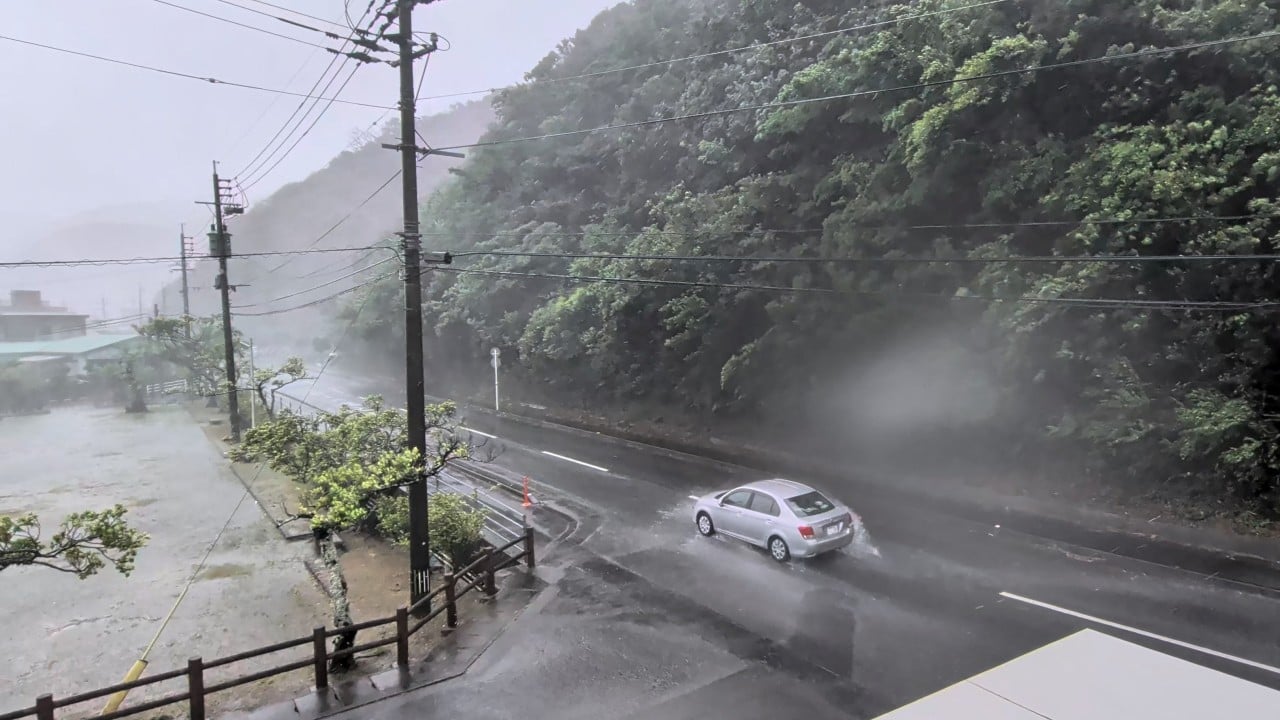
As Typhoon Dolphin bears down on southwestern Japan with sustained winds of 144 kilometers per hour and violent gusts reaching 198 kilometers per hour, hundreds of Hong Kong travelers find themselves effectively marooned across Okinawa hotels. Major carriers including Hong Kong Express, Greater Bay Airlines, and Hong Kong Airlines have scrapped multiple flight services, leaving tourists staring down potential power grid failures, empty convenience store shelves, and elongated extensions on foreign hotel bills.
The immediate logistical scramble highlights vulnerabilities in modern regional tourism. When nature halts the transit hubs connecting Hong Kong to the Ryukyu Islands, travelers transition instantly from vacationers to storm-prep novices.
The Anatomy of an Island Stranding
Okinawa is no stranger to severe tropical weather. Its concrete architecture is built to withstand punishing conditions, but the sudden influx of international tourists creates a unique strain on local municipal resources during major meteorological events.
When regional air corridors close, the pressure shifts immediately to local supply chains.
- Convenience store shelves empty within hours of severe weather warnings as residents and tourists alike hoard bottled water and instant noodles.
- Public transit networks suspend operations proactively to prevent structural casualties from flying debris.
- Hotel lobbies transform into makeshift communication hubs where stranded passengers crowd around charging stations and monitor carrier apps for cancellation updates.
Carriers scrambled earlier in the week to push out extra flights before the window slammed shut, but hundreds still missed the cutoff. The Travel Industry Council of Hong Kong reported multiple local tour groups caught in the lockdown, restricted entirely to indoor hotel perimeters while local authorities issued urgent evacuation advisories across vulnerable coastal sectors.
Supply Chain Realities in Remote Prefectures
Tourists accustomed to the hyper-efficient, 24-hour replenishment cycles of Hong Kong often fail to appreciate the geographic vulnerability of island economies. Okinawa relies heavily on maritime and air freight for daily provisions.
When a slow-moving system like Typhoon Dolphin halts shipping lanes and grounds commercial aviation simultaneously, the buffer between normal operations and scarcity shrinks to days, sometimes hours.
Local grocery operators implement strict rationing policies on essential items during major storms. For foreign visitors without local currency reserves or familiarity with Japanese emergency protocols, navigating these rationing measures can trigger acute anxiety.
Power outages remain the primary threat. While underground cabling protects major commercial districts in Naha, outlying regions and older residential pockets remain vulnerable to sustained wind damage on overhead lines.
The Broader Financial and Insurance Gray Area
Flight cancellations force travelers to confront the fine print of travel insurance policies purchased months in advance. Standard policies generally cover reasonable additional accommodation and food expenses incurred during mandatory weather delays, but reimbursement caps often lag behind hyper-inflated peak season hotel rates.
Airlines are legally and operationally obligated to waive rebooking and cancellation fees under severe weather circumstances, but finding open seats on outbound flights once the airspace reopens creates a secondary bottleneck.
Thousands of passengers across Japan are currently competing for the same limited pool of post-storm seats. Priority often goes to status-tier frequent flyers, leaving budget leisure travelers waiting days for an open manifest.
Coping With the Waiting Game
For those currently weathering the storm inside concrete towers across Naha and surrounding districts, outdoor movement remains strictly discouraged. Local emergency management teams have made it clear that wandering outside during peak wind intervals risks serious injury from airborne sheet metal and shattered glass.
The physical storm will eventually track northeast into the Pacific, leaving behind clear skies and humid heat.
The real test begins once the winds subside, when thousands of frustrated passengers descend simultaneously on Naha Airport to demand answers from undermanned carrier desks.
Patience becomes the only viable currency left on the island. Pack an extra dose of it, keep local emergency numbers saved offline, and accept that your return to the office will have to wait for the atmosphere to reset.