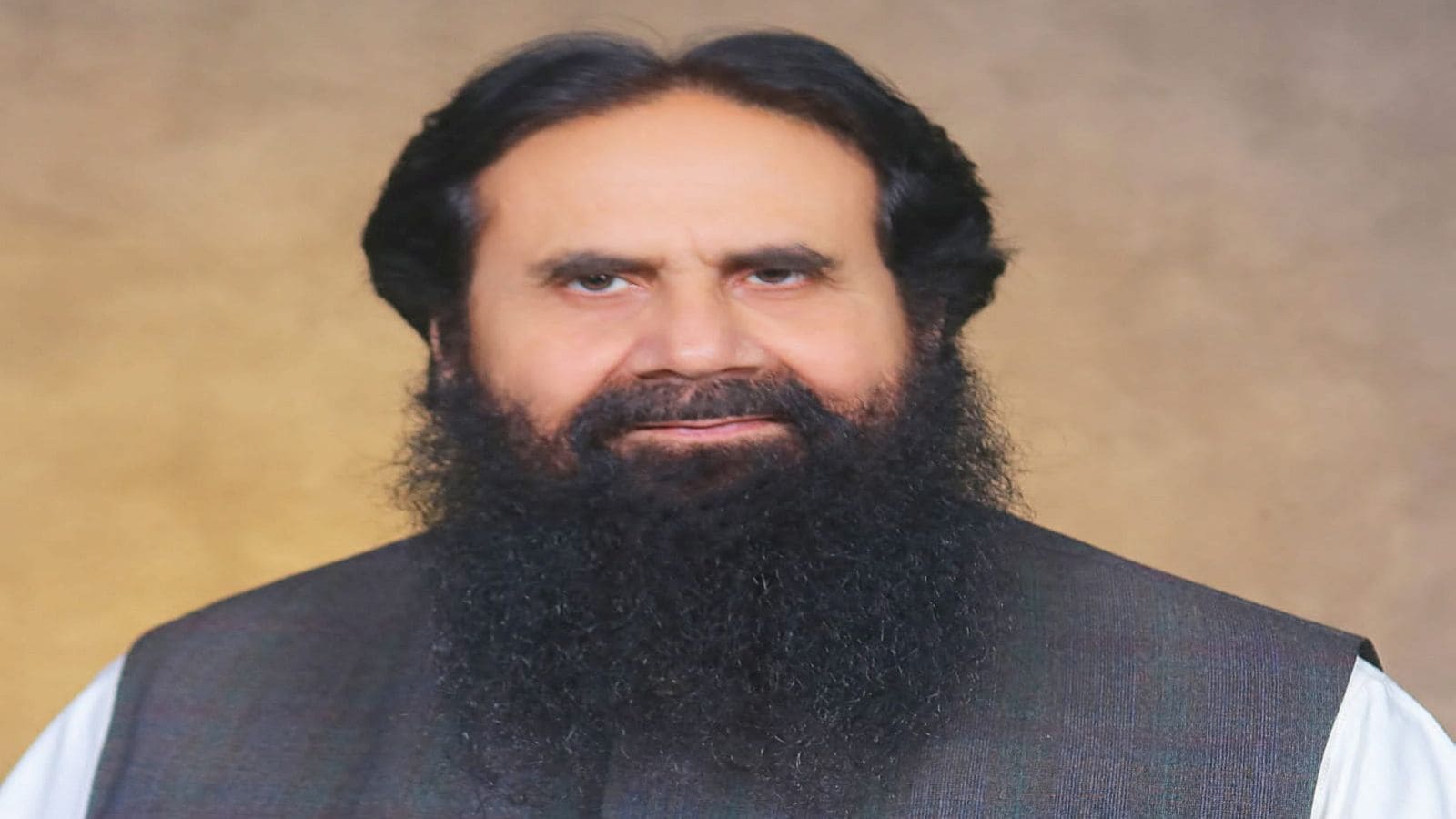
Muhammad Sarwar, a senior Lashkar-e-Taiba operative and Specially Designated Global Terrorist sanctioned by Washington since 2016, died in Lahore in mid-October 2026 following reports of a fall at the group's Markaz-e-Qadsia complex.
Accounts of how he died vary sharply across reporting. Some outlets described a fatal fall down stairs or from an upper floor at the Lahore compound, while official confirmation from Pakistani authorities has remained sparse. What matters far more for intelligence analysts and regional security officials than the conflicting physical details is what Sarwar represented inside the organization. For years, he functioned as a financial and organizational linchpin in Punjab's capital, helping keep Lashkar-e-Taiba solvent and connected across front groups and leadership circles. For another look, check out: this related article.
In counterterrorism reporting, deaths of mid-to-senior militant figures in Pakistan routinely trigger instant speculation about covert strikes, internal power struggles, or medical emergencies. That reflex is understandable. It is also lazy. Without verified forensic findings or official disclosures from Lahore, claiming an assassination or a staged accident goes beyond the evidence. Yet dismissing the event as a minor personnel loss misses how militant networks actually survive pressure: through money managers, local organizers, and institutional continuity rather than headline-grabbing field commanders alone.
Why Muhammad Sarwar Matter Beyond Field Operations
Most public coverage of Lashkar-e-Taiba focuses on cross-border infiltration, attack planning, or high-profile figures like Hafiz Saeed and Abdul Rahman Makki. Sarwar operated in a quieter, less glamorous tier of the hierarchy where militant ideology meets cash flow. Similar analysis on this trend has been shared by Reuters.
According to the U.S. Department of the Treasury's Office of Foreign Assets Control, which designated Sarwar under Executive Order 13224 in December 2016 alongside fellow operative Shahid Mahmood, his ties to Lashkar-e-Taiba stretched back to the early 2000s. Over more than a decade in Lahore, he held multiple leadership posts and served as the group's Lahore emir from at least January 2015. Treasury findings noted that he used Pakistan's formal financial system to raise and transfer funds, co-headed Lashkar-e-Taiba's Lahore finance wing as of mid-2009, led business delegations to group facilities to solicit donations in 2008, and maintained direct operational contact with senior leaders, including Makki.
That profile explains why his death drew immediate attention from regional security observers. Raising money inside a major commercial hub like Lahore requires social trust, local business networks, and bureaucratic navigation. Anyone can shout slogans at a rally. Far fewer operatives can cultivate commercial donors over years while dodging financial scrutiny.
| Dimension | Role in the Network | Strategic Impact of Removal |
|---|---|---|
| Urban Fundraising | Cultivated donor relationships and business outreach in Lahore | Disrupts established local collection channels, though not instantly fatal |
| Financial Routing | Utilized formal financial mechanisms and regional finance roles | Forces redistribution of accounting and transfer duties to surviving deputies |
| Leadership Linkages | Connected Lahore operations with senior LeT leadership figures | Creates short-term coordination friction around Markaz-e-Qadsia |
| Public Profile | Less visible internationally than top commanders, yet sanctioned by the U.S. | Carries strong symbolic weight without guaranteeing operational collapse |
How Terror Finance Survives Leadership Attrition
Whenever a sanctioned fundraiser or regional organizer dies, commentators often declare a group's money pipeline broken overnight. Decades of counterterrorism enforcement show a much messier reality.
Financial networks in South Asia rarely depend on a single bank account or a single middleman. Groups like Lashkar-e-Taiba have historically adapted to sanctions and legal crackdowns by shifting personnel, rebranding charities and front entities, and blending formal transfers with informal value-transfer channels. Even when authorities freeze specific assets or sanction named individuals under global terrorism regimes, underlying donor sympathies and local patronage networks do not evaporate the next morning.
Consider a hypothetical example to see how this works in practice. Suppose a regional coordinator in an industrial city manages monthly contributions from twenty shop owners and handles domestic travel stipends for visiting senior figures. If that coordinator dies suddenly, three things happen immediately: immediate transfers stall for a few days or weeks, records or personal assurances held only in one person's head must be reconstructed, and rival deputies compete to inherit the donor list. Within months, however, the network usually rebuilds around trusted lieutenants unless sustained law enforcement and financial supervision shut down the underlying accounts and fronts.
Sarwar's removal almost certainly created real friction in Lahore. Replacing someone with fifteen-plus years of local standing and ties to senior leadership takes time. Still, treating a single death as a decisive blow to an entrenched militant ecosystem is wishful thinking.
The Fog Around Mysterious Deaths in Pakistan
Coverage of Sarwar's death quickly collided with a broader narrative surrounding unexplained deaths of militant figures in Pakistan. Some reports pointed to a fall at Markaz-e-Qadsia in Lahore, while conflicting accounts referenced falling from an upper floor, leaving basic questions unresolved in open-source reporting.
In environments marked by heavy state security oversight, political sensitivity, and competing intelligence narratives, early reports of sudden deaths are notoriously unreliable. A genuine accident, a sudden medical event, an internal dispute, or external foul play can all be dressed up—or misread—in the first twenty-four to seventy-two hours. Good investigative discipline means separating verified sanction records from unconfirmed incident details. Washington's 2016 designation of Sarwar and his role in Lahore are documented on the public record; the exact chain of events inside the compound on the day he died remains contested in public reporting.
Analysts should also watch how Lashkar-e-Taiba and associated fronts handle funerals, memorials, and succession in Punjab. Public gatherings or quiet consolidations around Markaz-e-Qadsia offer far better clues about organizational health than dramatic headlines alone.
What Security Trackers Should Watch Next
A disciplined assessment after a figure like Muhammad Sarwar dies looks at tangible indicators rather than rumors. Observers tracking militant finance and regional security should focus on concrete signals:
- Succession in Lahore: Watch which mid-level figures step into fundraising and administrative coordination roles previously linked to Sarwar.
- Front Group Activity: Monitor whether affiliated welfare, student, or political fronts in Punjab show shifts in leadership or public visibility.
- Financial Enforcement: Track whether domestic regulators or international partners tighten scrutiny on commercial fronts and cash movement tied to designated networks.
- Official Disclosures: Note whether Pakistani police or judicial authorities release any formal findings on the circumstances of the fall, or leave the record silent.
Groups built over decades rarely unravel from one death in Lahore. They fray when their money trails are exposed, their fronts lose legitimacy, and their succession lines are forced into the open.