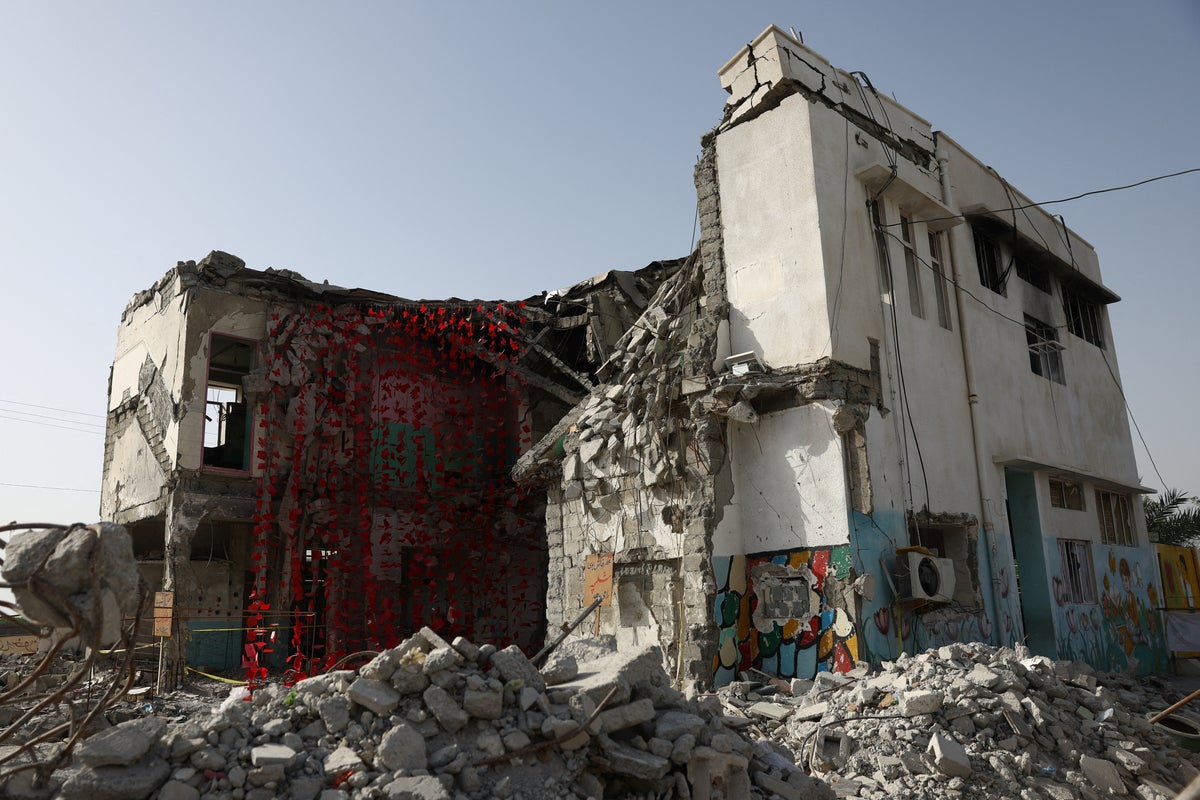
The fallout from a devastating airstrike on an Iranian educational facility has ignited a fierce debate over intelligence sharing and superpower accountability. While initial political reactions from Washington attempted to minimize the strategic fallout, the reality on the ground points to a much deeper crisis. This incident raises immediate questions about the exact nature of Western logistical and intelligence support in the region. The primary query surrounding this crisis centers on whether foreign-supplied data directly enabled the strike, a possibility that threatens to reshape diplomatic relations across the region.
Beneath the superficial political posturing lies a complex web of military cooperation and deniability. Bureaucrats frequently hide behind the veil of classified operations, but the mechanics of modern warfare leave a digital trail that is difficult to erase completely.
The Mechanics of Modern Targeting Data
To understand how an educational facility ends up in the crosshairs of a military operation, one must examine the pipeline of modern targeting architecture. Air campaigns do not happen in a vacuum. They rely on a multi-layered stream of data that includes satellite imagery, signals intelligence, and electronic surveillance.
In many regional conflicts, smaller militaries depend heavily on foreign partners to supply this high-level data. The transfer of information often flows through automated databases. This means a partner nation can upload coordinates to a shared network without necessarily auditing how those specific points will be used in real-time operations.
When a strike goes wrong, this setup provides perfect plausible deniability. The nation providing the intelligence claims they merely supplied raw data, while the nation launching the missile blames a technical error or faulty ground-level reporting. It is a system designed to distribute blame until the public loses interest.
The Problem with Shared Databases
Shared networks operate under strict protocols, yet they lack real-time veto power. Once data enters the tactical data link, it becomes actionable.
- Data Latency: Coordinates gathered forty-eight hours prior may no longer reflect the true nature of a site.
- Target Misidentification: Educational buildings, warehouses, and military command posts can look identical from high-altitude surveillance when relying solely on thermal signatures.
- Operational Compartmentalization: The analysts looking at the data are often thousands of miles away from the commanders ordering the launch, creating a dangerous disconnect.
The Strategy of Political Shrugging
Dismissing a high-casualty event as an unavoidable byproduct of a complex security environment is a well-worn political tactic. By refusing to engage with the specifics of the strike, leadership shifts the media focus away from operational complicity and toward partisan rhetoric.
This approach exploits the short attention span of the international media cycle. If a government refuses to issue a detailed denial or confirmation, investigators are left chasing administrative ghosts. The silence is not an admission of guilt; it is a calculated strategy to let the news cycle burn itself out.
The Limits of Diplomatic Deniability
This strategy carries severe long-term risks. When a state shrugs off significant civilian casualties, it erodes its moral authority on the global stage. Regional adversaries use this indifference as propaganda, driving recruitment and hardening domestic resolve against foreign intervention.
Furthermore, allies find themselves in untenable positions. European partners, bound by stricter domestic laws regarding human rights and military exports, face immense pressure to reassess their own cooperation with a government that treats such incidents with casual indifference. The friction created by this approach weakens alliances far more than a frank admission of an operational error ever would.
Overlooked Factors in Regional Air Campaigns
Most analysis focuses on the immediate political fallout, ignoring the structural realities of the defense procurement pipeline. Weapons systems are sold with long-term maintenance, training, and software support packages.
When a missile hits a target, the software guiding that weapon was likely updated by foreign contractors within the last few weeks. The maintenance crews who serviced the aircraft may be foreign nationals working under private defense contracts. This reality blurs the line between passive support and active participation.
The Contractor Loophole
Private defense contractors operate in a gray zone. They are essential to keeping modern air forces operational, yet they are not subject to the same public scrutiny as active-duty military personnel.
+-----------------------------------+
|     Foreign Tech Companies        |
+-----------------------------------+
                  |
                  v  (Software Updates & Logistics)
+-----------------------------------+
|    Local Military Command         |
+-----------------------------------+
                  |
                  v  (Kinetic Action)
+-----------------------------------+
|          Target Zone              |
+-----------------------------------+
If a contractor installs a targeting patch that fails to distinguish between a school and a barracks, where does the liability fall? The tech company points to the military operators, the military points to the software developers, and the victims are left without recourse. This loop ensures that accountability remains completely elusive.
Moving Beyond the Rhetoric
Fixing this systemic lack of accountability requires a fundamental overhaul of intelligence-sharing agreements. Nations providing high-level surveillance data must implement strict end-use monitoring clauses, similar to those used in hardware export controls.
This would mean establishing an independent oversight body with the authority to audit shared targeting databases after any incident involving significant civilian casualties. If a partner nation refuses to cooperate with the audit, the data stream must be cut off immediately. It is a harsh measure, but it is the only mechanism capable of forcing compliance.
Without these structural guardrails, the cycle will repeat. Statements of regret will be issued, political leaders will offer practiced indifference, and the underlying machinery of unmonitored warfare will continue to operate in the shadows, waiting for the next set of flawed coordinates to enter the system.