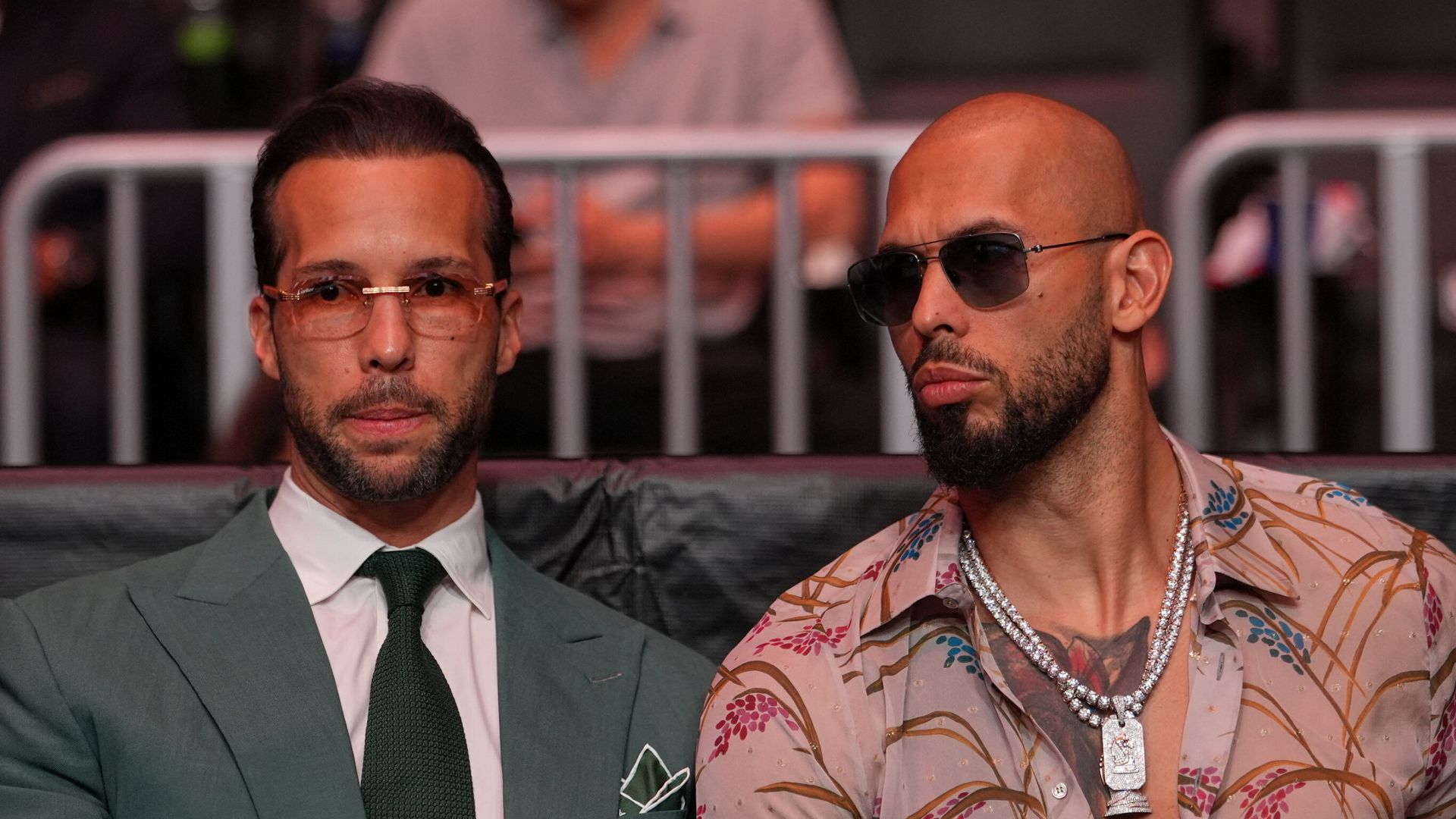
The self-proclaimed Top G just ran headfirst into the American federal justice system, and it doesn't care about your Twitter followers.
Andrew Tate and his brother Tristan are currently locked away in a Miami detention facility. Their high-flying lifestyle of private jets, hypermasculine bravado, and Florida sunshine came to a grinding halt when U.S. Marshals executed a sealed extradition warrant on behalf of British authorities. Now, their defense team claims the brothers are enduring the harshest conditions the American jail system has to offer.
According to their attorney, Joseph McBride, the Tate brothers are being held in solitary confinement. While their legal team calls the arrest a political hit job engineered to kidnap the brothers via paperwork, the reality inside the cell blocks is bleak, silent, and entirely unglamorous.
What Solitary Confinement Actually Means for the Tates
Forget the Bugattis and the cigar smoke. If McBride's claims are accurate, the brothers are experiencing administrative segregation, the bureaucratic term for solitary confinement.
In a federal holding facility, this means spending 23 hours a day inside a concrete box roughly the size of a parking space. You don't get to choose when the lights go turn on or off. You don't get internet access, and you certainly don't get to broadcast motivational speeches to ten million followers on X.
High-profile inmates are often placed in solitary not as a punishment, but for their own protection or administrative convenience. Jail administrators dread the chaos that a polarizing internet celebrity brings to a general population unit. But protection feels exactly like punishment when you're staring at four blank walls.
The contrast is staggering. Just months ago, the Tates successfully fought their way out of travel restrictions in Romania, hopping on a private jet to land in Florida. They thought they won. Instead, they walked straight into a trap set by the British Crown Prosecution Service (CPS).
The Staggering Scale of the New British Charges
This isn't just a rerun of their Romanian legal troubles. The UK Crown Prosecution Service just dropped a massive hammer, expanding the legal war against the brothers significantly.
The new case involves a total of 59 criminal charges connected to seven alleged victims. The timeline spans from 2010 to 2017, long before the Tates became household names in the manosphere.
The Breakdown for Andrew Tate
- Seven counts of rape
- Three counts of arranging or facilitating trafficking for sexual exploitation
- Three counts of assault occasioning actual bodily harm
- 19 additional charges involving indecent images of a child and extreme pornography
The Breakdown for Tristan Tate
- One count of sexual assault
- Two counts of rape
- Three counts of arranging or facilitating trafficking for sexual exploitation
The inclusion of child pornography and extreme pornography offenses marks a dark, severe pivot from the previous allegations. These aren't the kind of charges that can be easily brushed off as "matrix attacks" or jokes taken out of context. They carry massive statutory maximum sentences in the United Kingdom.
The Extradition Trap America Won't Ignore
The Tates' legal defense rests on a bold, highly nationalistic argument. McBride explicitly stated that America does not do Britain's political dirty work. It's a great line for a press release, but it's terrible legal strategy.
The United States and the United Kingdom share one of the most robust, highly utilized extradition treaties on earth. When federal authorities arrest dual citizens on a sealed warrant issued pursuant to an extradition treaty, they aren't doing a favor; they are executing binding international law.
The Department of Justice confirmed the arrests complied fully with these treaties. The Tates will appear in a Miami federal court, but the judge won't be putting the brothers on trial for the alleged crimes. The federal judge's only job is to determine if the extradition request meets the baseline requirements of the treaty: identity verification, probable cause, and whether the alleged acts constitute crimes in both nations.
Given the gravity of rape and human trafficking charges, blocking this extradition is an incredibly steep uphill battle.
The Long Road Ahead
Don't expect a quick resolution. Extradition battles can drag out for months, sometimes years, through endless appeals. While the lawyers fight over paperwork, the Tate brothers remain grounded in Florida, stripped of their digital empire, their freedom, and their luxury.
The next step is the initial appearance in Miami federal court. Their legal team will almost certainly fight for bail, arguing the brothers aren't flight risks. But considering their history of navigating international borders and their vast financial resources, prosecutors will fight aggressively to keep them exactly where they are: isolated, secure, and waiting for the flight back to London.
UK Prosecutors Charge Andrew For Rape, Human Trafficking provides deep insight into the complex layers of the multi-jurisdictional criminal charges and tax evasion battles the brothers are facing globally.