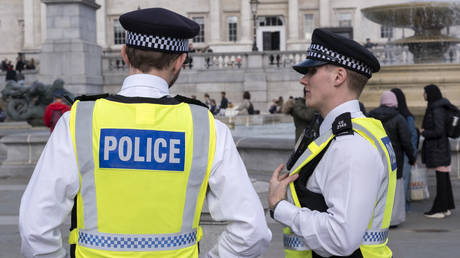
The steady drumbeat of dismissals within the Metropolitan Police Service has transformed from a series of isolated disciplinary hearings into an institutional emergency. Dozens of officers have been stripped of their warrants, fired without notice, and cast onto the national barred list following revelations of deeply offensive messaging, institutional misogyny, and entrenched racism. Yet, focusing solely on the individual sackings misses the broader structural rot. The real story is not merely that toxic officers are finally being ousted, but why the system allowed them to flourish behind the shield of operational secrecy for so long.
Public trust in Britain's largest police force has eroded to historic lows. When undercover investigations, whistleblower reports, and leaked chat logs repeatedly expose networks of officers sharing vile, discriminatory content, the defense strategy of blaming "bad apples" collapses under its own weight. A rotten orchard produces rotten fruit. The recurring pattern of gross misconduct hearings reveals an internal culture where derogatory commentary about women, minority communities, and vulnerable citizens was treated not as a sackable offense, but as acceptable locker-room banter.
For decades, the Directorate of Professional Standards operated behind a wall of defensive institutional PR. Complaints from the public were frequently deflected, and internal warnings were minimized or buried. The shift we are witnessing now—marked by a surge in expedited dismissals and public gross misconduct findings—is driven less by a sudden wave of internal enlightenment and more by external catastrophe. High-profile scandals, damning independent reviews, and relentless journalistic scrutiny have forced senior leadership to act. The imperative is simple: purge the ranks visibly or watch the remaining shreds of public legitimacy burn entirely.
Yet, firing officers after their digital footprints are exposed is a lagging indicator of reform. It solves the immediate PR crisis while leaving the underlying mechanics of recruitment and retention largely untouched. How do individuals with deeply ingrained prejudices pass vetting procedures designed to screen out unsuitability? The answer lies in a recruitment pipeline that has historically prioritized headcount targets over behavioral integrity. When forces rush to fill thousands of vacancies, rigorous psychological and cultural screening often gets sidelined in favor of administrative expediency.
Compounding the problem is the bystander effect embedded within shift culture. In numerous disciplinary cases involving offensive group chats, multiple officers witnessed or received discriminatory material without challenging it or reporting the behavior. Silence is compliance. When junior constables see senior leaders or peers normalizing bigotry, a chilling effect settles over anyone considering stepping forward. The internal hierarchy effectively penalizes whistleblowers while protecting the perpetrators of toxic behavior, creating an insulated subculture that operates outside standard ethical boundaries.
Restoring institutional credibility requires far more than updating the barred list or issuing routine apologies. It demands a fundamental overhaul of how internal dissent is handled and how integrity is measured day-to-day on the station floor. Until the Met transitions from a reactive disciplinary machine into a transparent organization that actively roots out complicity, the cycle of scandal and dismissal will continue. The badge carries authority only so long as the public believes in the integrity of the person wearing it, and right now, that authority is running on borrowed time.


