The Strait of Hormuz is not closed; it is being curated. On Thursday, the Iranian embassy in Madrid signaled a tactical shift that has sent ripples through the global energy market and caught Washington off guard. Tehran announced it is "receptive to any request" from Spain regarding transit through the world's most volatile maritime choke point. This is not a broad reopening, but a calculated reward for a European nation that has effectively broken ranks with the U.S.-led military campaign against Iran.
By offering Spain a VIP pass through the blockade, Iran is attempting to transform a military stalemate into a diplomatic wedge. The message to the rest of the European Union is as clear as it is brutal: if you want your tankers to pass, you must stop supporting the war.
The Price of Defiance
To understand why Spain is the first EU nation to receive this overture, you have to look at the scorched-earth diplomacy of the last three weeks. Since the joint U.S.-Israeli strikes commenced on February 28, 2026, Prime Minister Pedro Sánchez has positioned Madrid as the chief antagonist to the Trump administration’s regional strategy.
Sánchez did not just offer rhetorical opposition. He took the high-stakes step of denying the United States access to the Rota and Morón military bases for any operations targeting Iran. This decision effectively crippled the U.S. Navy’s logistical tail in the Mediterranean, forcing a messy and expensive relocation of refueling assets. For Tehran, this was a demonstration of "respect for international law" that deserved a dividend.
The Iranian embassy’s post on X was the public face of a deeper, more transactional reality. Tehran is now categorizing the world’s merchant fleets into "hostile" and "non-hostile" entities. Spain, having refused to participate in the "reckless" war, has been moved to the front of the line.
A Selective Blockade
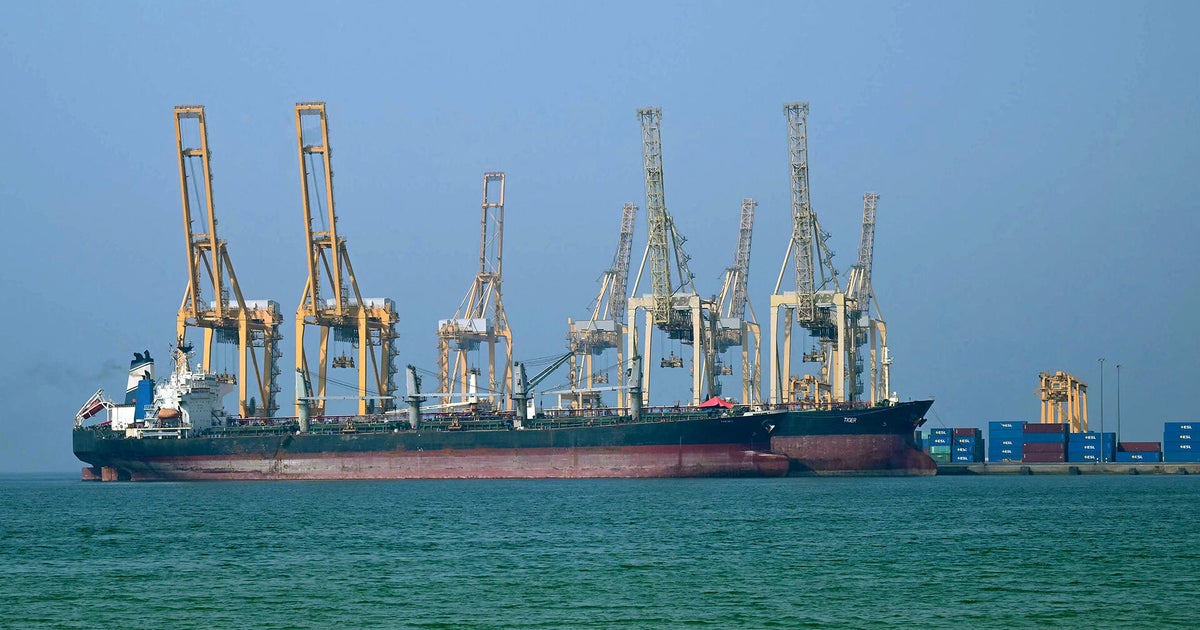
The Strait of Hormuz handles roughly 20% of the world’s daily oil supply and a massive portion of its liquefied natural gas (LNG). Since the conflict began, traffic has plummeted by nearly 90% as insurance premiums surged and the Islamic Revolutionary Guard Corps (IRGC) asserted "complete control" over the passage.
However, the blockade is far from absolute.
- The Winners: China, Russia, India, Malaysia, and Thailand. These nations have already successfully coordinated transits, with tankers moving under a shadow-diplomacy framework that bypasses Western sanctions.
- The Losers: Any vessel flying the flag of the U.S., Israel, or "unfriendly" European powers like the UK and Germany. These ships remain anchored or are being rerouted around the Cape of Good Hope, adding weeks to transit times and millions to shipping costs.
Spain’s inclusion in the "winner" circle is a masterstroke of Iranian pressure. It creates a blueprint for other energy-hungry European nations—like Italy or Greece—to follow. If Madrid can secure the safe passage of its six oil tankers and 13 gas carriers by simply saying "no" to Washington, the temptation for others to defect from the coalition becomes immense.
The Toll on the Water
While the diplomats trade barbs, the reality in the Gulf is grim. The "Strait of Hormuz Campaign" has turned the waterway into a graveyard of merchant shipping. Since late February, at least 12 merchant ships have been damaged, and seven have been abandoned. The human cost is rising, with 12 seafarers confirmed killed or missing.
Iran’s Foreign Minister, Abbas Araqchi, recently mocked the West’s disbelief, stating that they thought Iran was "bluffing." They weren't. By treating the Strait as a sovereign corridor rather than an international waterway, Iran is effectively charging "protection fees" and demanding diplomatic fealty in exchange for safety.
The IRGC has been using VHF radio to warn ships that "no ship is allowed to pass" without specific Iranian authorization. This isn't just a blockade; it's the nationalization of a global artery.
Trump’s "Russian Roulette"
The friction between Madrid and Washington has reached a boiling point. President Trump has threatened Spain with trade sanctions and a full embargo for its refusal to cooperate. Sánchez, meanwhile, has accused the U.S. of playing "Russian roulette" with the destiny of millions, drawing a straight line back to the protests of the 2003 Iraq War.
This internal fracturing of NATO is exactly what Tehran intended. By granting Spain maritime concessions, Iran is feeding the narrative that the U.S. military presence is the source of the instability, not the Iranian response.
The Economic Reality Check
Despite the diplomatic breakthrough, the Spanish shipping industry remains cautious. The Spanish-flagged fleet is at its lowest level in two decades, with only 91 vessels currently under the national flag. Most Spanish-owned ships are "flagged out" to countries like Panama or Liberia.
This creates a legal nightmare. Will Iran honor a request for a Spanish-owned ship if it’s flying a Marshall Islands flag? Probably not. The IRGC’s vetting process is rigorous and relies on the "hostility" of the flag state, not the owner’s headquarters. For Spain to truly benefit from this opening, it may have to provide its own naval escorts—a move that would further complicate its "no to war" stance.
Furthermore, the price of oil remains stubbornly high, with Brent crude hovering around $96 per barrel. Even a partial reopening for Spanish ships won't fix the global supply shock as long as the majority of the world's tankers are still locked out of the Gulf.
The move by the Iranian embassy in Madrid is a sophisticated play in a high-stakes game of maritime chess. It isn't an olive branch; it's a wedge driven into the heart of Western unity. As Spain weighs its next move, the rest of Europe is watching, wondering if the cost of loyalty to Washington is worth the risk of an empty fuel tank.
Would you like me to analyze the specific economic impact on Spanish LNG imports following this diplomatic shift?