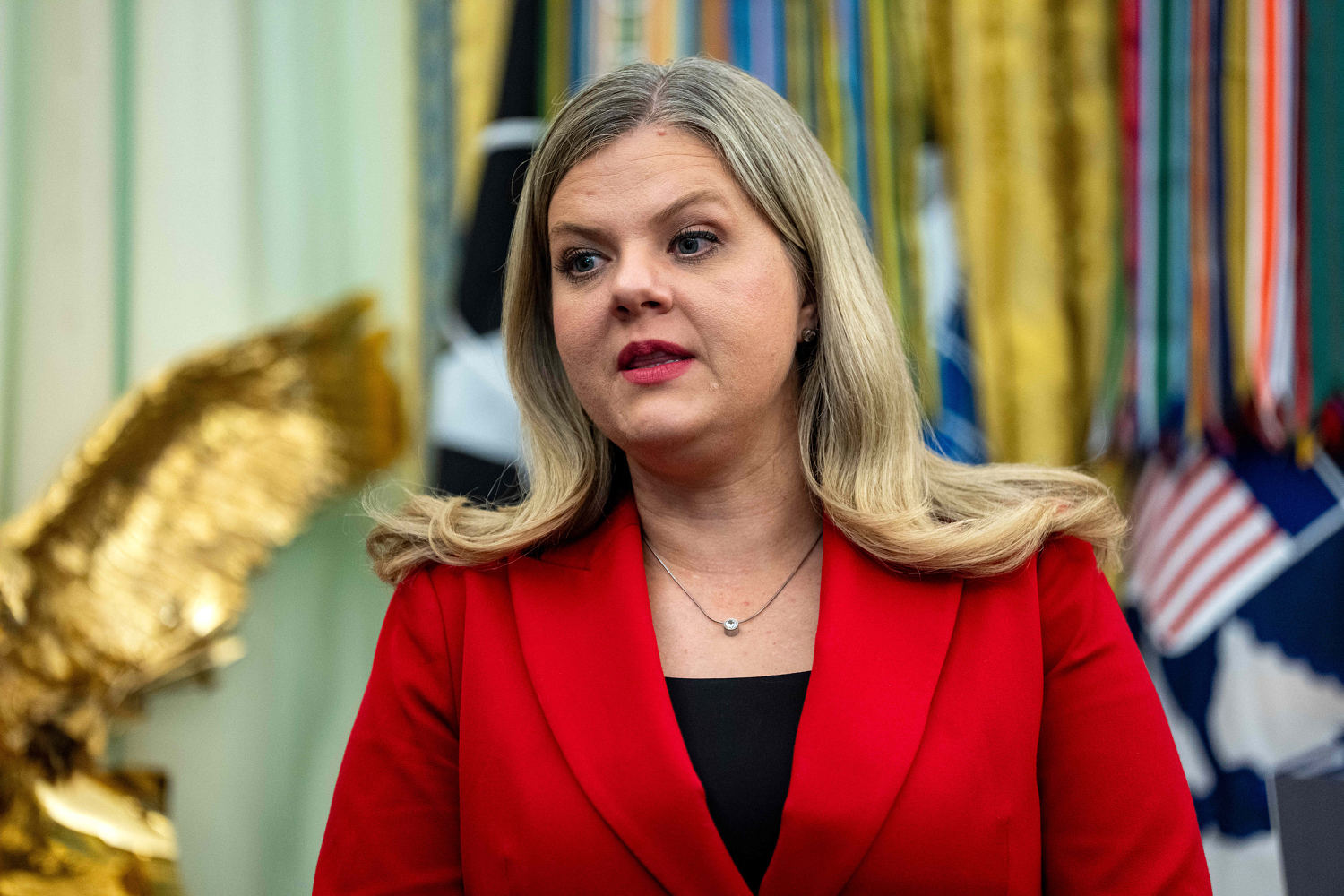
President Donald Trump's nomination of White House domestic policy aide Dr. Heidi Overton to lead the Food and Drug Administration signals a profound shift toward tightening political control over federal health agencies.
As the White House seeks to cement its broader health agenda, the choice of Overton—a physician and former researcher at the America First Policy Institute—places a loyalist at the helm of an institution responsible for regulating a massive share of the American economy. Also making headlines recently: Why Moderna Winning the Cancer Trial Lottery Changes Absolutely Nothing.
The stakes could hardly be higher. The agency touches everything from life-saving therapeutics and complex medical devices to the safety of the national food supply. Yet, the path to Senate confirmation will test the administration's political capital on Capitol Hill, while raising urgent questions among career scientists and industry executives about the future of federal drug and food oversight.
Anatomy of an Appointment
The selection of Overton follows months of turbulence at the regulatory body. Her predecessor, Marty Makary, departed after high-profile disagreements with the administration regarding product approvals and internal agency management. Acting leadership has since worked to steady the ship, but morale remains fragile amidst broader federal workforce shifts. More insights regarding the matter are detailed by Mayo Clinic.
Overton brings formidable academic credentials to the role. Holding both a medical degree and a doctorate in clinical investigation from Johns Hopkins, she spent years immersed in clinical research, collaborating with past agency leadership on opioid prescribing guidelines.
Transitioning from academia to the conservative think-tank ecosystem at the America First Policy Institute, she sharpened her focus on structural healthcare reform. When the administration took office, she stepped into the Domestic Policy Council as a deputy assistant to the president. In that capacity, she served as a key administrative mediator, helping execute executive priorities alongside Health and Human Services Secretary Robert F. Kennedy Jr.
The Political and Regulatory Friction Points
Despite her academic pedigree, industry analysts point out a glaring vulnerability. Overton lacks direct experience managing a massive regulatory apparatus with thousands of career civil servants and complex bureaucratic divisions.
The pharmaceutical industry relies heavily on predictable, science-driven timelines for drug approvals. When leadership changes introduce volatility, compliance costs rise, and investment horizons shift. Wall Street analysts have already flagged potential friction between traditional pharmaceutical interests and the administration's aggressive overhaul initiatives.
Furthermore, Overton's policy positions carry significant ideological weight. Anti-abortion advocacy groups have enthusiastically backed her appointment, anticipating stricter federal hurdles for medication abortion access, including potential reinstatements of stringent in-person dispensing requirements for mifepristone.
At the same time, her close association with recent executive actions targeting childhood immunization schedules places her directly in the crosshairs of mainstream medical associations. Critics argue that shifting away from established vaccine guidelines risks public health, while administration defenders insist the changes correct course on over-regulation.
Navigating the Senate Confirmation Gauntlet
The nomination must now navigate a narrow path through the United States Senate. The chamber is deeply divided, and the majority party holds only a razor-thin margin.
Confirmation hearings will undoubtedly transform into proxy battles over broader health policies. Key committee members, including those who have experienced direct political friction with the executive branch, hold substantial leverage. Senators will probe whether Overton intends to protect the agency's scientific independence or serve as an uncritical rubber stamp for White House directives.
If confirmed, Overton will step into an office facing immediate operational crises. Beyond high-profile policy debates, the agency continues to manage complex food safety investigations, persistent outbreaks, and emerging regulatory questions surrounding novel peptide therapies.
The success of her tenure will depend entirely on her ability to bridge the widening gap between political ambition and empirical reality, balancing the demands of a transformative administration with the rigorous demands of public safety