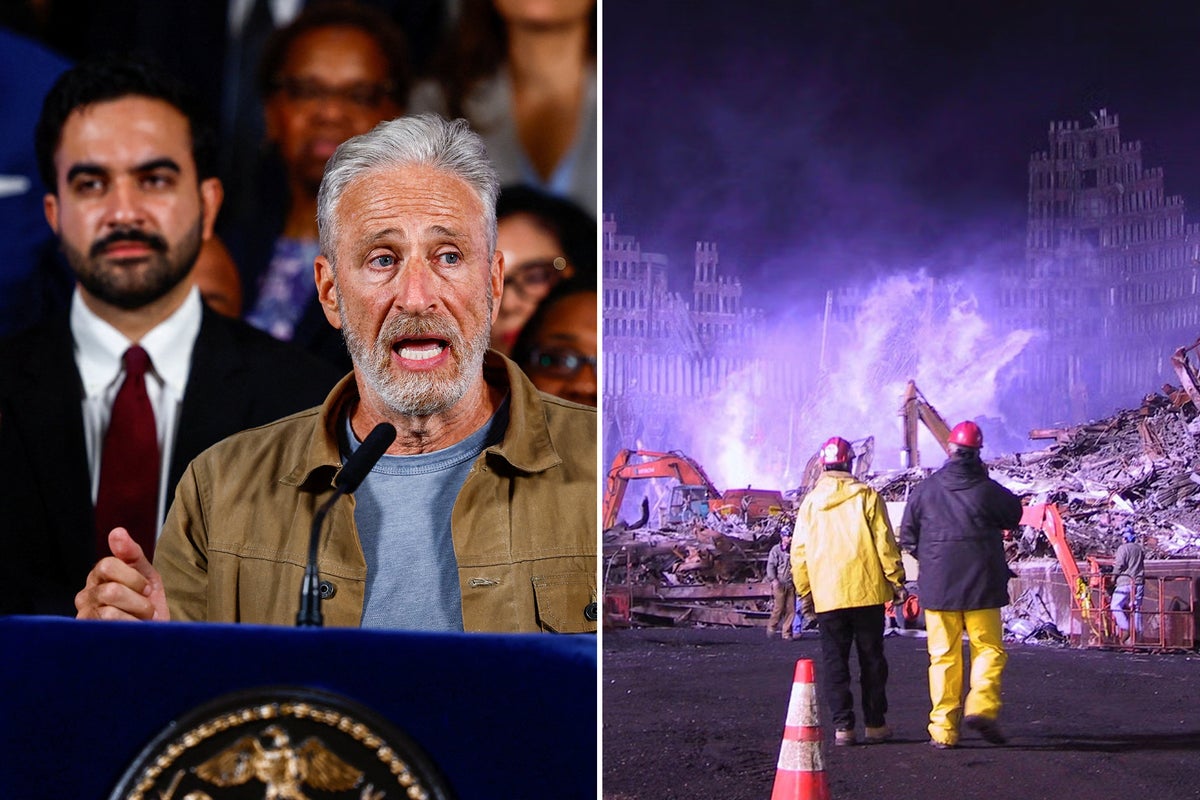
Twenty-five years after the towers fell, the machinery of government is still coughing up the debris of its own deceit. New York City Mayor Zohran Mamdani recently dropped 170,000 pages of long-suppressed internal records, confirming what rescue workers, residents, and Lower Manhattan survivors have asserted for a quarter-century: officials knew the air around Ground Zero was toxic and actively lied to the public to get the financial district back open.
The newly public cache, dragged into the light through a settlement with advocacy group 9/11 Health Watch, includes the infamous Harding Memo and documents recovered from 68 forgotten boxes stashed away in municipal offices. These papers expose a chilling bureaucratic calculus. While then-Mayor Rudy Giuliani and federal partners stood before television cameras and urged citizens to return to their homes and offices with assurances that the air was safe, municipal risk assessments warned of tens of thousands of potential lawsuits stemming from chemical exposure.
They traded human lungs for economic momentum. Wall Street needed to ring its opening bells, and the human cost was treated as collateral damage.
The Anatomy of a Bureaucratic Burial
Government agencies do not typically misplace 68 boxes of high-stakes records by accident. They misplace them when the truth carries an unbearable price tag.
The documents outline a terrifying environmental reality that persisted long after the smoke cleared. Asbestos, benzene, and pulverized concrete filled the indoor air ducts, window sills, and living rooms of Lower Manhattan. Environmental Protection Agency audits from late 2001 and mid-2002 show contaminant spikes that far exceeded acceptable safety thresholds. Yet, public messaging remained stubbornly upbeat.
To understand the mechanics of this deception, look at the Harding Memo written in October 2001. An aide explicitly warned Deputy Mayor Robert Harding that the city faced up to 35,000 legal claims because official health advisories were coaxing people back into a toxic plume prematurely. The administration possessed internal awareness of the danger, recognized the legal exposure, and chose to double down on public reassurance anyway.
This was not a failure of information. It was an intentional withholding of survival data.
First responders walked into a chemical soup without proper respiratory protection because leaders they trusted told them the dust was harmless. Today, the tragic ledger reflects that betrayal. More firefighters and rescue personnel have died from post-9/11 illnesses than perished during the actual attacks. Over 49,000 people have been diagnosed with certified World Trade Center-related cancers, breathing their last breaths while staring down a system that spent decades gaslighting them.
The Cost of Institutional Amnesia
For years, defending the official narrative was a bipartisan project of institutional self-preservation. Successive mayoral administrations fought Freedom of Information Law requests tooth and nail. They spent taxpayer money on legal defense teams to keep documents hidden in basement storage, betting that the plaintiffs would eventually age out, fall sick, or pass away.
That strategy worked until it didn't.
The legal settlement ending the multi-year battle and launching the online public portal marks a tectonic shift in accountability. Comedian and relentless activist Jon Stewart, standing alongside Mamdani at the announcement, did not mince words about the institutional cowardice involved. Everyone knew, Stewart noted. The poisons settled on children's clothes, inside home air conditioning units, and across neighborhood parks, while city halls across the nation kept up a cheerful facade.
Former officials are now facing the physical consequences they once minimized. Former New York Governor George Pataki recently disclosed a restrictive airway disease diagnosis linked to his time at the site. Former Mayor Giuliani has wrestled with severe respiratory complications following bouts of pneumonia. The environment does not care about political spin or press release phrasing. Lungs lined with pulverized glass, heavy metals, and carcinogenic ash eventually collapse, regardless of who is holding the office of the mayor.
Transparency as a Weapon Against the Past
The release of these 170,000 pages does more than rewrite history; it alters the playing field for compensation. Thousands of survivors struggle to prove their presence in the designated exposure zone to secure health benefits from federal funds. Armed with internal municipal logs and localized environmental testing data, claimants now have a paper trail that pierces through decades of bureaucratic stonewalling.
Yet, the federal government and state agencies outside New York continue to guard their own archives. The city's belated transparency exposes the defensive posture of state and federal regulators who also downplayed the catastrophe. If New York City can unearth 68 boxes of damning assessments, Washington possesses parallel troves waiting for a similar reckoning.
The files are searchable now, living on a public server for anyone to parse. Every memo detailing benzene spikes, every internal warning about liability, and every ignored plea from community leaders stands codified in the digital record. The paper trail is no longer buried in a municipal vault. It rests squarely in the hands of the public, a permanent monument to what happens when public servants decide that protecting the status quo matters more than protecting human life.