Extreme summer heat in Europe killed an estimated 50,000 people across 854 studied cities and shaved nearly $19 billion—around €17 billion—off economic output between April and September. Those headline numbers are already grim enough to make boardrooms and health ministries flinch. Yet treating a 50,000-person mortality figure or a single-digit fraction of regional gross domestic product as the full bill misses how heat actually tears through a continent.
I have spent decades covering industrial supply chains, public health rollouts, and sovereign balance sheets across Europe. What jumps off the page from the latest data is not simply that temperatures hit record highs. It is that Europe’s physical building stock, aging demographics, and fiscal plumbing were never engineered for five consecutive waves of relentless thermal stress.
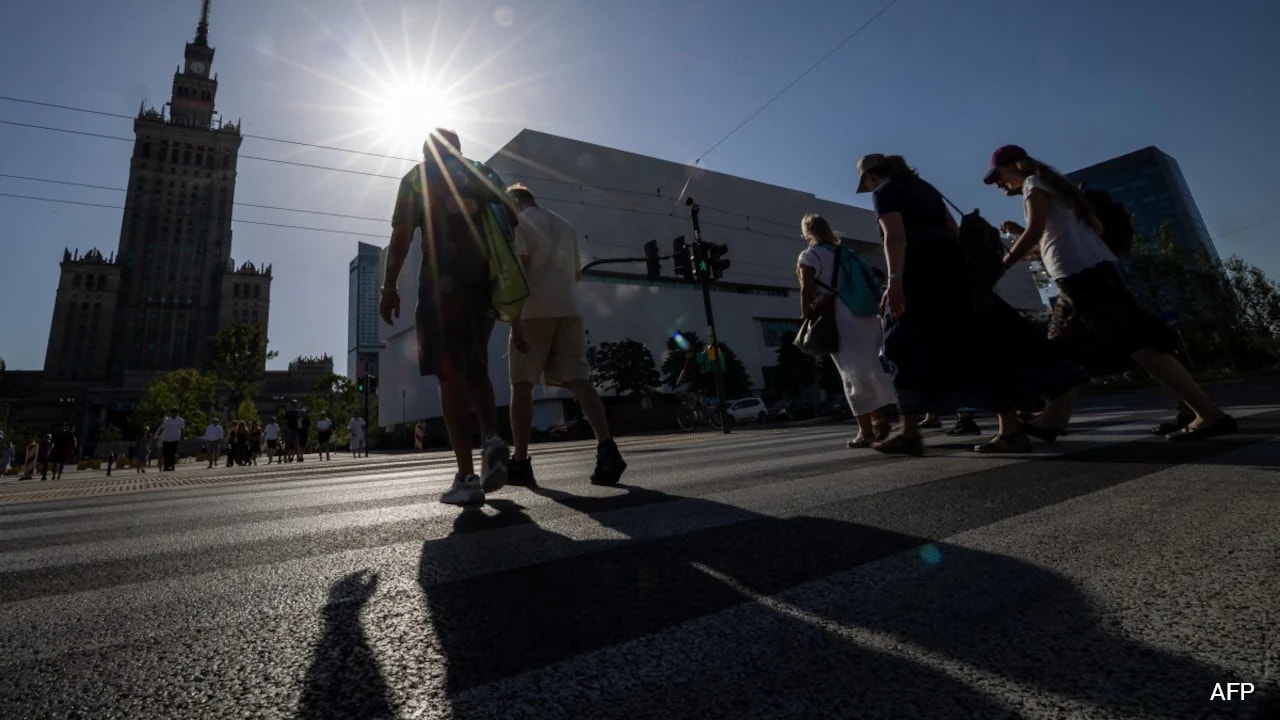
When a heatwave arrives, the damage rarely looks like a dramatic hurricane or a single collapsed bridge. It looks like a nurse working a double shift in a ward without working chillers. It looks like a mason laying brick at noon in 38 degrees Celsius because a fixed deadline leaves no room to pause. It looks like an elderly pensioner in a dense apartment block who refuses to switch on a cooling unit because the electricity bill already stings.
Why Headline GDP Understates the Shock
Economists who put the summer’s direct drag at roughly 0.17 percent of EU gross domestic product—around €17 billion—are measuring one slice of a much larger ledger. Other analyses tracking heat stress and broader weather shocks point to much steeper figures, including productivity-related losses estimated above €100 billion across wider European tallies and multi-year drags that linger long after autumn rain returns.
Why do the numbers swing so wildly depending on who runs the spreadsheet? Because measuring extreme heat is an accounting headache.
Direct GDP hits often capture immediate drops in output or lost working hours across sectors like construction, agriculture, and hospitality. They do a far worse job capturing compound capital drag. When extreme heat compresses expected returns on capital, companies delay equipment upgrades, postpone factory expansions, or scale back local hiring. A single hot summer can chip away at the productive base that pays next year’s wages.
Consider a hypothetical example to see how a localized shock ripples outward. Imagine a mid-sized component maker in northern Italy whose suppliers sit in a drought-hit river valley. Even if the factory itself has decent ventilation, low water levels or transport slowdowns can choke inputs or raise cooling costs just as orders from Germany or France arrive late. Supply chains in integrated markets do not keep neat geographic borders.
Roughly two-thirds of this summer’s modeled excess heat deaths in the 854 studied European cities were tied to climate change, underscoring how quickly baseline risk has shifted upward.
Insurance data exposes another blind spot in official cost estimates. Across Europe, insured coverage for climatological hazards—including heatwaves, droughts, and wildfires—remains thin, often below 10 percent of total economic losses. When losses are uninsured, they do not show up cleanly on a single claims ledger. Instead, they land on household savings, corporate margins, and municipal repair budgets.
The Non-Linear Trap Inside European Cities
Heat does not affect the human body or a factory floor in a straight line. Below roughly 30 degrees Celsius, warmer weather can even trim winter heating bills or keep outdoor work humming. Cross that threshold—and push past 35 degrees—and the penalty accelerates sharply.
Physiologically, the danger compounds when night fails to cool down. Daytime heat pushes cardiovascular and respiratory systems into overdrive, while warm nights strip away the recovery window people rely on to reset.
Europe’s dense urban neighborhoods amplify this trap. Heavy masonry, asphalt streets, and tight courtyards absorb solar radiation all day and release it slowly after sunset. Across Europe, air-conditioning penetration averages around 19 percent, far below the roughly 90 percent common in the United States.
| Vulnerability Factor | How It Worsens Heat Impact | Who Feels It Most |
|---|---|---|
| Aging Population | Reduced thermal regulation and higher rates of chronic illness | Adults 85 and older, who account for over half of modeled heat deaths |
| Low Cooling Penetration | Limited mechanical relief inside homes, clinics, and offices | Lower-income households and tenants in older apartment stock |
| Energy Cost & Isolation | High power bills and social isolation prevent timely help or cooling | Solitary seniors living on fixed incomes |
| Outdoor & Uncooled Work | Heat exhaustion cuts physical speed and raises accident risk | Construction crews, farm workers, and logistics staff |
Italy, France, Spain, and Germany carried heavy mortality burdens this summer, with southern and western Europe absorbing severe blows from multiple heatwaves. And while people aged 85 and older made up more than half of modeled excess deaths, researchers also flagged hundreds of deaths among working-age adults between 20 and 44. Heat is not exclusively a geriatric story.
Social isolation makes the clinical picture worse. When older residents live alone in high-rise flats without family check-ins or affordable electricity, early warning signs of heat strain can go unnoticed until an ambulance is called too late.
Fiscal Squeeze and the Policy Blind Spot
Watch what happens next to government budgets. Extreme heat hits public finances from both sides at once.
On one side, weaker output and softer corporate profits squeeze tax receipts. Because many European tax systems lean on progressive income and corporate taxes, revenue can slip even faster than headline output. On the other side, governments face higher outlays for emergency medical care, social assistance, firefighting, and infrastructure repairs.
For countries already wrestling with tight fiscal rules and elevated debt ratios, even a modest annual drag—often estimated around half a percentage point of GDP on average across stress scenarios, with sharper pressure in higher-debt economies—narrows room for maneuver. Finance ministries are forced to trade off routine public investments against recurring weather bills.
Monetary policy inside the euro area adds another wrinkle. A single central bank rate cannot tailor itself to every national climate profile at once. If heatwaves drive up food prices or power costs while slowing regional activity, policymakers face a tricky tug-of-war between inflation control and growth support.
Adaptation Has Real Trade-Offs
The standard policy checklist—better heat early-warning systems, public cooling centers, shaded transit stops, and updated labor rules—makes practical sense. Cities that check on vulnerable residents during heat alerts and shift outdoor work hours earlier in the day can save lives and protect output right away.
Still, nobody who has watched urban infrastructure projects stall should pretend the fixes are frictionless.
Cranking up residential air conditioning across millions of older apartments without grid upgrades can strain local distribution lines during peak afternoon demand. It also pumps waste heat back into narrow streets and raises electricity consumption when power generation is already stretched.
Retrofitting historic buildings is slow and expensive, especially where heritage rules restrict exterior changes or tenants and landlords split incentives unevenly. Even cooling centers only work if people can reach them safely and want to use them.
What Comes After the Tally
A 50,000-death toll and an economic hit measured in tens of billions of dollars should end the argument over whether summer heat is an abstract future risk. Five heatwaves in a single European summer proved that extreme heat is already an annual operational stress test for hospitals, grids, farms, and municipal budgets.
The real test now is execution in ordinary places: cool rooms in neighborhood clinics, realistic heat-safety rules on job sites, grids built for peak summer loads, and budgets that treat climate resilience as core infrastructure rather than an afterthought. Every summer without those upgrades leaves the next heatwave to collect the same grim dividend.