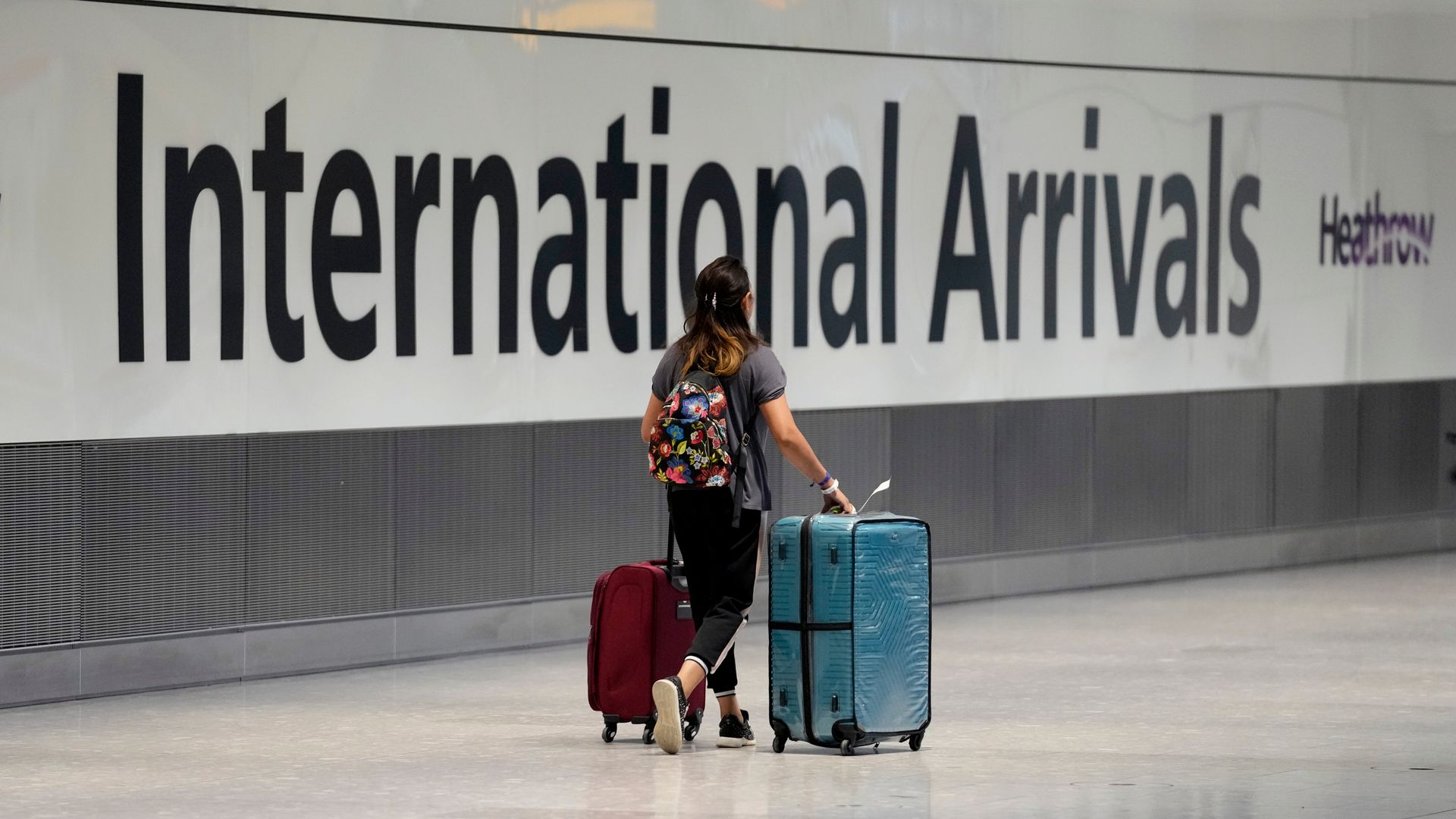
Passengers attempting to navigate European airspace face severe disruptions as cabin crew strikes across EasyJet French bases ground dozens of flights during the peak summer holiday period. The industrial action, spearheaded by major labor unions including UNAC, SNPNC, and UNPNC, directly targets primary aviation hubs such as Paris Orly, Paris Charles de Gaulle, Lyon, Nice, and Bordeaux. Travelers holding tickets across these routes find themselves stranded or scrambling for last-minute alternatives as management and workforce representatives lock horns over escalating scheduling pressures and deteriorating workplace standards.
Surface-level reporting often frames these walkouts as sudden, unpredictable tantrums thrown by frontline staff. Experienced industry observers know better. Labor friction of this magnitude rarely erupts without years of compressed operational strain. Behind the current cancellations lies a deeper systemic conflict over how low-cost carriers manage crew utilization, rostering algorithms, and post-pandemic recovery models. For a different look, see: this related article.
The Breaking Point of Low-Cost Rostering
Modern budget aviation relies on hyper-efficient asset utilization. Aircraft make money in the air, not on the tarmac. This economic imperative naturally extends to the personnel operating those aircraft. Cabin crews are subjected to tight turnaround windows, multi-sector days, and predictive scheduling tools designed to maximize productivity while minimizing staffing buffers.
Over successive seasons, these optimization models have pushed human tolerances to their limits. Unions representing EasyJet France employees point to a steady accumulation of stressful conditions. Last-minute schedule alterations, heavy multi-day rotations, and compressed rest periods have transformed routine flying duties into an exhausting endurance test. When a carrier operates with minimal reserve crew, any minor weather delay or technical hiccup cascades rapidly through the network, eating directly into legally mandated rest time. Related reporting regarding this has been provided by AFAR.
Workers argue that management views them as interchangeable variables rather than human operators requiring predictable biological recovery cycles. Management, conversely, operates under the constant pressure of tight yield margins and fierce competition from rival low-cost operators. This structural contradiction creates an environment where compromise feels structurally impossible to both sides.
The Broader European Aviation Pressure Cooker
This French cabin crew dispute does not exist in isolation. It forms part of a wider continental trend where aviation workers are reclaiming leverage in a tight labor market. For years following the pandemic-era travel collapse, airlines forced through structural cost reductions, wage freezes, and operational flexibilities under the banner of corporate survival.
As travel demand roared back to record highs, workers watched corporate revenues rebound while their own working conditions remained degraded. Air traffic control constraints across Europe, chronic ground handling shortages, and airspace congestion have further compounded crew frustrations. When flight decks and cabins absorb the daily brunt of angry passengers delayed by system-wide bottlenecks, internal morale collapses.
Strikes become the only language corporate boards are forced to translate into financial impact. When dozens of rotations are cancelled on a single weekend, the economic penalty dwarfs the cost of addressing underlying labor grievances. Yet executive leadership frequently chooses a hardened stance, branding union actions as opportunistic rather than addressing the systemic root causes.
Navigating the Disruption Maze
For travelers caught in the crossfire, understanding the mechanics of passenger rights provides the only reliable defense against total financial loss. Under European regulation EC 261, airlines bear strict liability when their own direct employees walk off the job.
Unlike weather events or air traffic control strikes—which often fall under the legal umbrella of extraordinary circumstances—internal labor disputes are treated as events within the airline's direct control. This distinction carries massive financial weight. If an EasyJet-operated flight is cancelled or delayed by three hours or more due to a cabin crew strike, affected passengers can claim statutory compensation of up to €600, alongside mandatory provisions for hotel accommodation, food, and alternative re-routing.
Airlines rarely advertise these obligations proactively. Navigating the claims process requires meticulous documentation. Passengers must secure written confirmation of the cancellation reason from gate agents, keep all boarding passes, and avoid accepting any immediate voucher that signs away statutory cash rights.
The current strike notice framework in France extends its reach across a multi-week operational window, meaning further targeted walkouts remain entirely possible on short notice. Management insists that doors remain open for meaningful dialogue, yet concrete proposals bridging the gap between corporate efficiency metrics and human sustainability remain elusive. Until airlines re-architect their scheduling philosophies to account for the physical realities of frontline work, the skies above Europe will remain vulnerable to sudden, disruptive halts