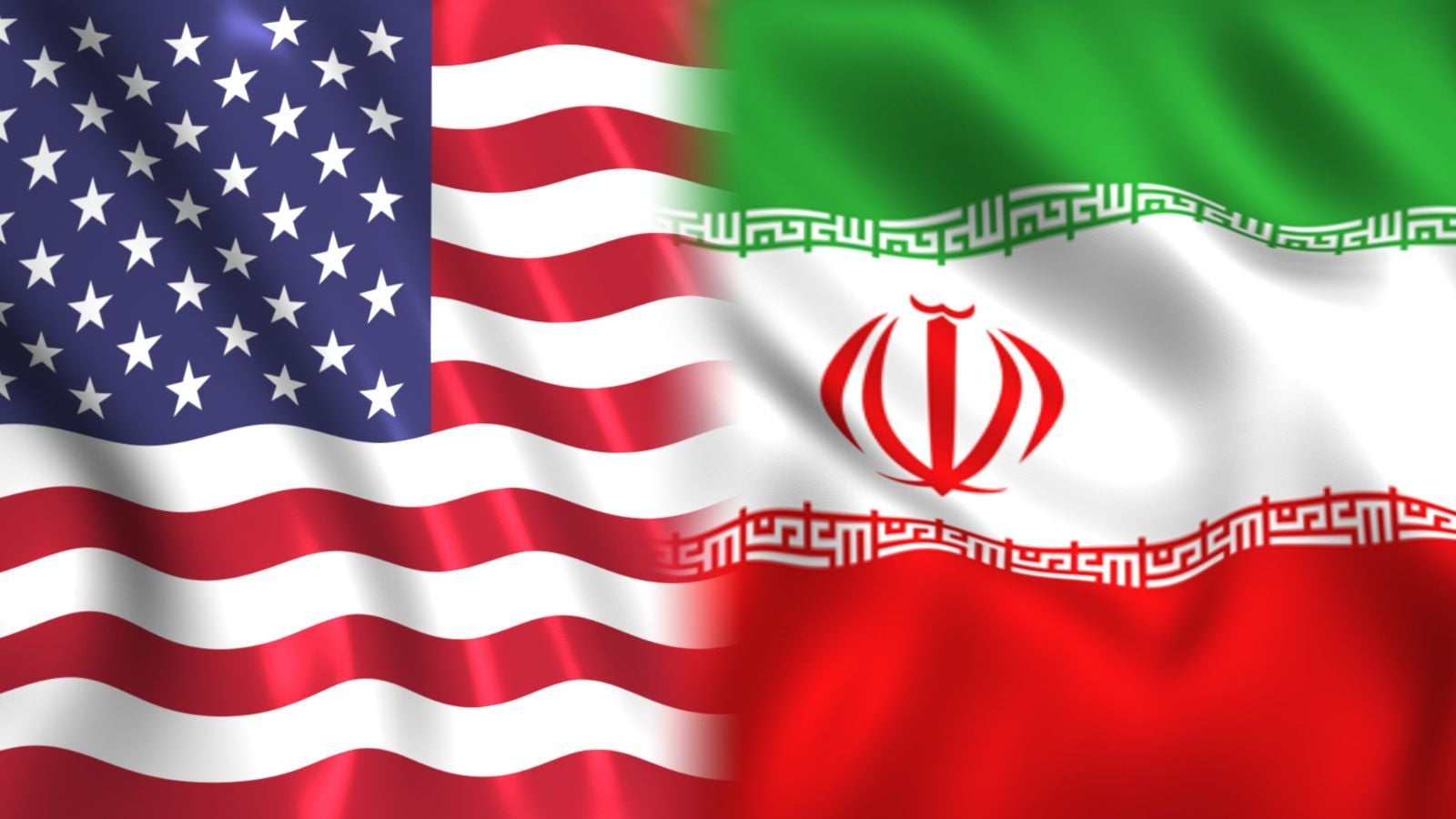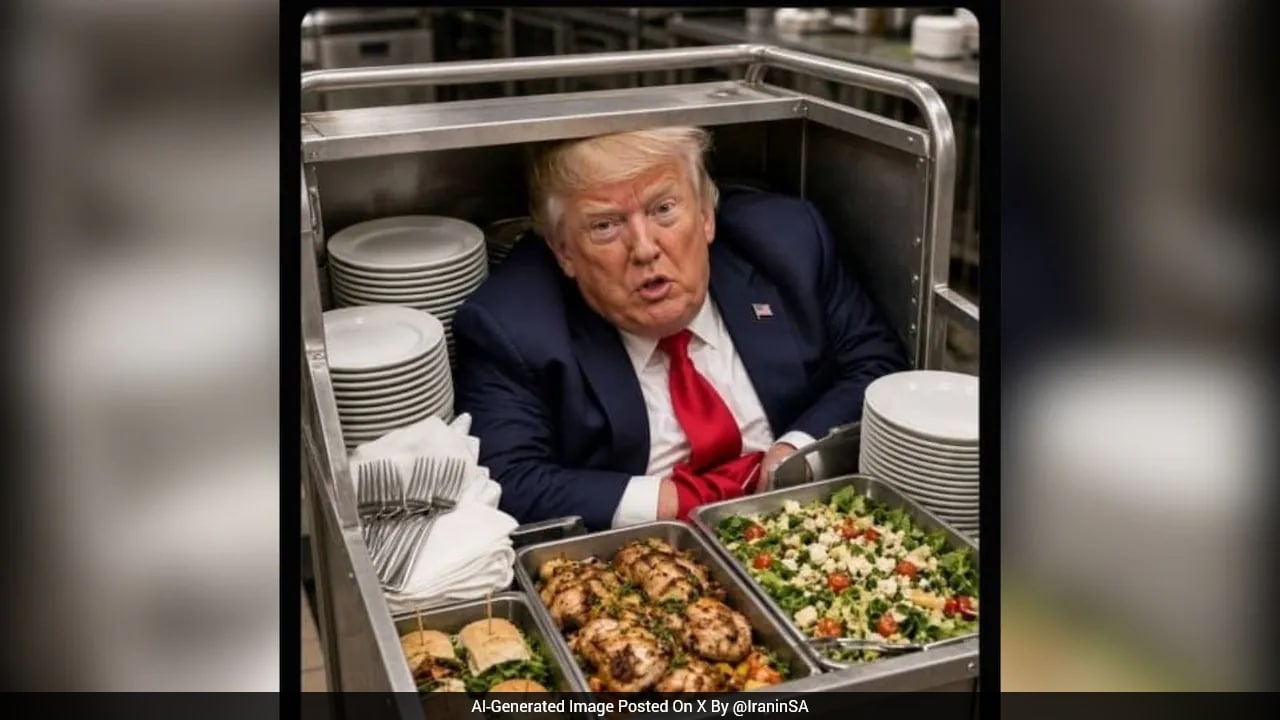
When geopolitical flashpoints collide with internet culture, the result is rarely serious diplomatic discourse. Instead, state-sponsored entities and online commentators deploy rapid-fire humor, irony, and viral imagery to rewrite political narratives. This dynamic took center stage recently when Iranian state-affiliated accounts and online users flooded social networks with memes mocking a reported aircraft switch by Donald Trump, complete with references to hiding in trash cans.
At first glance, these digital jabs look like standard online trolling. Look closer. They represent a calculated evolution in state-backed psychological operations.
Modern information warfare no longer relies solely on heavy-handed propaganda broadcasts or rigid press releases. The battlefield has shifted to algorithm-driven feeds where humor acts as a Trojan horse. When a government or its supporters weaponize memes, they bypass the critical defenses of international audiences. People who scroll past a lengthy state department briefing will pause, laugh, and share a clever graphic mocking a rival political figure.
Understanding this phenomenon requires stepping back from the immediate joke and examining the architecture of modern digital influence.
The Mechanics of State-Backed Humor
For decades, political propaganda suffered from a credibility problem. State media outlets were easily identified, heavily discounted, and often viewed as clumsy instruments of persuasion.
Internet culture changed that calculus. By adopting the native language of the web—irony, remix culture, self-deprecating absurdity, and rapid-fire visual association—state actors can obscure their origins while amplifying specific talking points.
Consider how memes operate. A traditional news article requires reading, comprehension, and analytical processing. A meme communicates an entire emotional stance in a fraction of a second. When Iranian online commentators mock a political figure's logistics or security choices using viral tropes, they achieve two primary objectives:
- De-escalation through ridicule: By reducing a high-stakes geopolitical adversary to a punchline, they strip away an opponent's aura of serious power.
- Plausible deniability: State bodies can distance themselves from crude online content while benefiting from the organic reach generated by real users who amplify the joke.
The tactic turns international relations into a sprawling, participatory game where digital citizens unwitting act as distributors of state-aligned messaging.
The Psychology Behind the Scroll
Why do these particular narratives stick? The human brain is hardwired to respond to social proof and emotional resonance. When thousands of accounts converge on a single joke about a politician switching planes or hiding in a ridiculous location, it creates an illusion of universal consensus.
The strategy feeds on outrage culture and tribalism. Users do not share these memes because they have conducted a deep geopolitical analysis of Middle Eastern foreign policy. They share them because the content aligns with pre-existing biases or offers a moment of cathartic amusement at the expense of a hated rival.
The speed of the internet ensures that the narrative hardens before facts can catch up. By the time fact-checkers or political spokespersons issue a clarification, the meme has already traveled across borders, languages, and platform boundaries.
The Shift in Global Information Operations
We are witnessing a fundamental democratization of mockery. Historically, only domestic comedians and mainstream satirists held the cultural license to ridicule powerful leaders. Today, state apparatuses harness grassroots digital culture to project power outward.
This creates a messy information environment. It becomes nearly impossible to distinguish between genuine grassroots internet sarcasm and coordinated amplification campaigns run by bot farms or state-directed troll networks. Both look identical on a smartphone screen. Both rely on the same trending audio tracks, reaction images, and sarcastic captions.
The implications for international diplomacy are profound. When serious diplomatic maneuvers are routinely met with viral mockery, the baseline of international respect erodes. Traditional norms of statecraft struggle to find a foothold in an arena where every policy decision is instantly flattened into content.
As long as algorithms reward engagement, speed, and emotional intensity, memes will remain frontline instruments of state power. The next time a world leader makes a routine travel adjustment or stumbles during a public appearance, the real story will not be the event itself. It will be how quickly the digital ecosystem turns that moment into a global weapon of mass distraction.