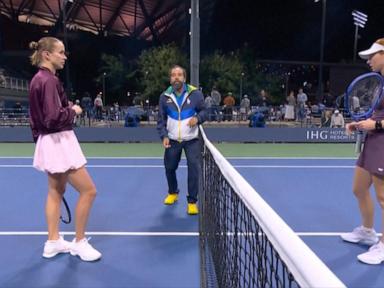
Summer in Flushing Meadows brings more than just elite tennis; it triggers a masterclass in modern sports monetization where ordinary spectators are systematically priced out of the grounds. The United States Tennis Association presents the Flushing Meadows fortnight as a populist celebration of sport, yet the underlying financial mechanics tell a much harsher story. Behind the billion-dollar revenue streams and celebrity-laden luxury boxes lies an aggressive commercial machinery that treats fans as captive consumers rather than community members.
Average ticket prices on the secondary market for the main draw have spiked past historical baselines, pushing baseline entry costs into territory normally reserved for corporate expense accounts. When a grounds pass that officially costs a modest face value is flipped online for multiples of that price, the outcry goes beyond standard inflation complaints. It exposes structural faults in how major tennis tournaments distribute access.
The Illusion of Accessibility
For decades, the United States Tennis Association marketed its premier event as the people's major. Unlike the manicured, tradition-bound lawns of Wimbledon, the New York tournament embraced a loud, chaotic urban energy. That populist ethos is now buckling under the weight of corporate hospitality demands.
Consider the ongoing multi-million-dollar physical transformations inside Arthur Ashe Stadium. Architectural adjustments routinely favor high-margin luxury seating over mid-priced loge sections. Thousands of moderately priced seats vanish during these overhauls, replaced by courtside hospitality packages that cost more than a used car.
Seat Reallocation Trend:
[Moderate Loge Seats] -> Decreasing Inventory
[Courtside Hospitality] -> Rapidly Expanding Footprint
When stadium architecture prioritizes corporate clients who treat tennis matches as networking backdrops, the atmosphere changes. The casual fan watching from the upper tiers gets squeezed out, replaced by attendees holding premium credentials who might spend half the match turned away from the court, networking in air-conditioned VIP lounges.
The Revenue Disconnect
The tournament prints money at a scale that leaves traditional sports economists staggering. Operating revenues regularly clear half a billion dollars, fueled by lucrative broadcasting contracts, massive corporate sponsorships, and an unquenchable thirst for branded novelties like the tournament's signature melon-ball cocktail.
Yet this financial abundance exposes a deep rift between tournament organizers and the athletes themselves. While the organization proudly advertises a record-breaking player compensation package of $108 million, professional tennis players receive a surprisingly small slice of total tournament revenue.
- Tournament Revenue Share: Professional tennis players take home less than 15% of total revenue generated by major events.
- Standard League Benchmarks: Major team sports leagues routinely allocate roughly 50% of league revenues directly to player salaries.
- The Tour Reality: Roughly 80% of players ranked in the global top 1,000 struggle to break even after paying for travel, coaching, and medical staff.
Even with singles champions pocketing historic multi-million-dollar checks, the vast majority of touring professionals fight an uphill financial battle. The Grand Slam business model relies on the prestige of its brand to keep compensation percentages low, arguing that the exposure benefits the athletes. For a player ranked outside the top one hundred, exposure does not pay for international flights or stringers.
The Secondary Market Exploitation
Much of the public anger directed at tournament organizers stems from secondary ticket platforms. When primary ticket distribution channels are picked clean within minutes by automated purchasing bots, fans have nowhere to turn except reseller marketplaces.
The resulting price distortion creates strange bedfellows. High-profile public figures and everyday consumers find themselves united in frustration over digital queues showing hundreds of thousands of active users ahead of them. The United States Tennis Association defends its position by pointing to its low initial face-value tiers, but this defense rings hollow when those tickets are practically impossible for a regular person to secure without algorithmic assistance.
To understand how this market operates, look at a hypothetical scenario involving a standard opening-week session. A ticket originally priced at a modest rate appears on a resale platform hours later marked up by five hundred percent. The organizer collects no direct revenue from that markup, yet benefits from the halo effect of high demand. The market perception remains that attending the event is an elite status symbol, feeding an upward spiral of ticket inflation.
Reengineering the Fan Experience
Fixing this structural imbalance requires more than cosmetic adjustments or temporary ticket lotteries designed to appease municipal politicians. It demands a fundamental reassessment of how major sports properties balance commercial extraction with cultural stewardship.
If the governing body truly wants to protect its populist heritage, digital distribution protocols must evolve. Implementing strict non-transferable ticketing tied to verified identities would neutralize automated scalping rings instantly. Capping resale markups at a modest percentage above face value would return the focus to actual supporters rather than speculative brokers.
Until those structural changes occur, the summer spectacle in New York will continue to serve two very different masters. On the court, athletes push their bodies through grueling physical exhaustion under the bright stadium lights. Off the court, financial architects quietly maximize every square inch of commercial potential, leaving the ordinary fan to pay the mounting bill.