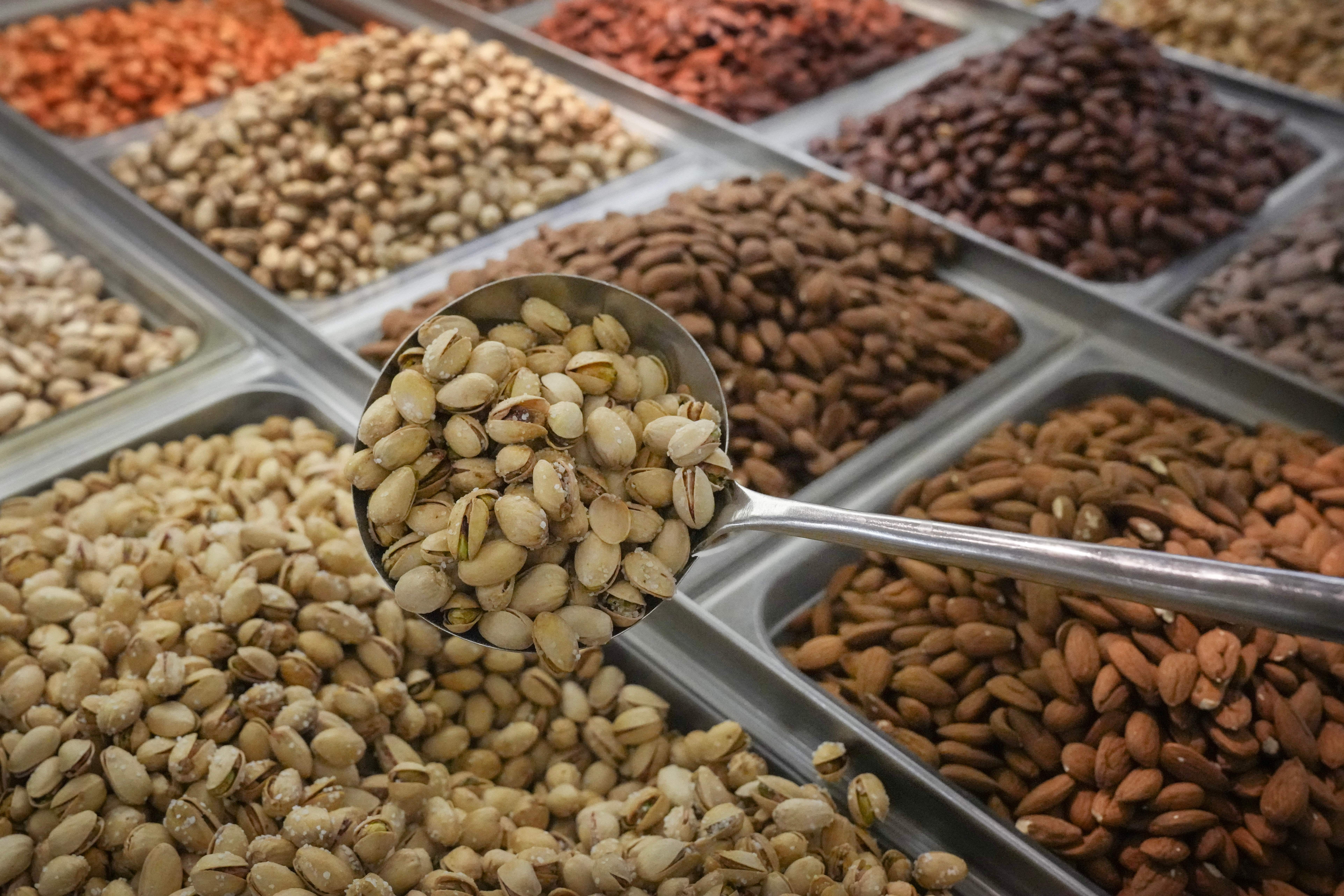
A Yearlong Crisis Comes to a Technical End
Health officials in Ottawa officially closed the book on a nationwide foodborne illness outbreak linked to contaminated pistachios and pistachio-infused treats. Spanning over fourteen months, the outbreak produced 200 laboratory-confirmed cases of infection across six provinces, driving 26 patients into hospital beds. While public health alerts have subsided and no new illnesses have surfaced since May, federal regulators are refusing to lift a sweeping import ban on Iranian pistachios.
The Public Health Agency of Canada and the Canadian Food Inspection Agency have made their stance firm. Even with zero active transmission, nuts originating from Iran remain barred from cross-border shipment until importers prove complete absence of contamination.
Small boutique chocolatiers and commercial bakeries across Quebec and Ontario bore the brunt of the physical burden, accounting for 170 of the 200 confirmed infections. The culprit was not merely raw bulk nuts sold in plastic produce sacks. Contaminated batches of Iranian pistachio kernels were processed directly into commercial ingredients, finding their way into specialty spreads, artisanal pastries, and viral Dubai-style chocolate bars.
How Pathogens Colonize Dry Commercial Crops
Raw tree nuts do not immediately strike the average consumer as high-risk breeding grounds for bacterial hazards. Bacteria thrive in moisture. Dry, low-water-activity foods should theoretically suppress bacterial growth.
Reality operates differently on agricultural processing lines.
Salmonella does not multiply readily inside a bone-dry shell, but it can survive there for months or even years. Once introduced during harvesting, hulling, or storage, the pathogen sits dormant. It waits for human ingestion or incorporation into oily, fat-rich food matrices where low moisture actually shields the bacterial cell walls against heat during light roasting.
Primary vectors in the agricultural pipeline
- Soil and Irrigation Water Contact: During harvest season, nuts fall to the ground or come into contact with untreated runoff water contaminated by livestock waste.
- Storage and Processing Facility Cross-Contamination: Dust particles carrying dried bacteria migrate through processing plants, settling on raw kernels prior to packaging.
- Complex Multi-Ingredient Integration: Blending raw or improperly pasteurized nut pastes into chocolate or confectionery creams creates lipid-heavy environments where micro-contaminants survive digestive acid.
When lab scientists conducted deep sequencing on infected patients across Canada, they uncovered a startling variety of bacterial profiles. At least twelve distinct serotypes were isolated from affected patients, including Salmonella Havana, Salmonella Mbandaka, and Salmonella Meleagridis. Isolating a dozen separate strains from a single agricultural commodity points directly to systemic hygiene failures during primary processing and storage rather than a localized, single-batch glitch.
Border Control and Proof of Origin Challenges
Shutting down a foreign food threat at the border requires more than publishing an administrative warning. Global supply chain routing makes country-of-origin tracking surprisingly complex.
When Canada implemented its emergency ban on Iranian pistachios, federal authorities instituted a strict hold-and-test protocol for all importers. Every single shipment of pistachios entering Canadian ports must now present verified documentation certifying that the produce was neither grown nor harvested in Iran. Importers who fail to provide authenticated proof must hold their shipments at designated facilities and pay out-of-pocket for mandatory lab testing before cargo can be moved toward domestic store shelves.
What federal regulators require from global traders
- Official Exporter Certificates: Signed, dated declarations on letterhead confirming the exact state and country where the crops were harvested.
- Third-Party Laboratory Cleared Samples: Mandatory hold-and-test screening at accredited facilities for any cargo lacking definitive origin documentation.
- Mandatory Secondary Recalls: Immediate recall mandates for domestic food manufacturers if their raw nut inventory is linked back to unverified Iranian shipments.
This process highlights a persistent regulatory headache. Agricultural products frequently change hands through international brokers and third-party transit hubs. A shipment harvested in one region can be shipped to an intermediary country, re-sorted, re-packaged, and re-labeled with fresh bills of lading before arriving in North America.
When Canadian health inspectors traced recalled products back through distributor networks, they discovered that imported Iranian kernels had already been distributed to dozens of independent brands. Because dry pistachios boast an extensive shelf life, recalled stock remained sitting on store shelves and in residential pantries long after import restrictions were declared.
Balancing Food Safety Against Supply Shortages
Blocking imports from one of the world's primary producers carries immediate commercial fallout. Iran stands alongside the United States as one of the top global suppliers of pistachios, cultivating distinct varieties prized by confectioners for their vibrant green color and high fat content.
Small food businesses operating on thin margins suddenly found their supply pipelines cut off. Artisanal bakeries were forced to pull popular lines or source alternative nuts at significantly higher spot-market prices. Commercial importers faced mounting storage costs for held inventory awaiting laboratory clearance.
Yet federal agencies have signaled no intention of easing import bans simply because the human infection count has flatlined. Public safety mandates dictate that trade bans remain active until the source country demonstrates verified changes in processing standards and sanitization oversight. Until inspectors receive credible proof that drying beds, hulling plants, and export terminals meet stringent pathogen controls, the import ban remains non-negotiable.
Businesses relying on imported dry nuts must build permanent, secondary supplier networks rather than waiting for regulatory rollbacks. Relying on paper trails provided by international trade brokers is no longer sufficient when a single contaminated shipment can trigger total product recalls, civil liability, and permanent brand damage.


